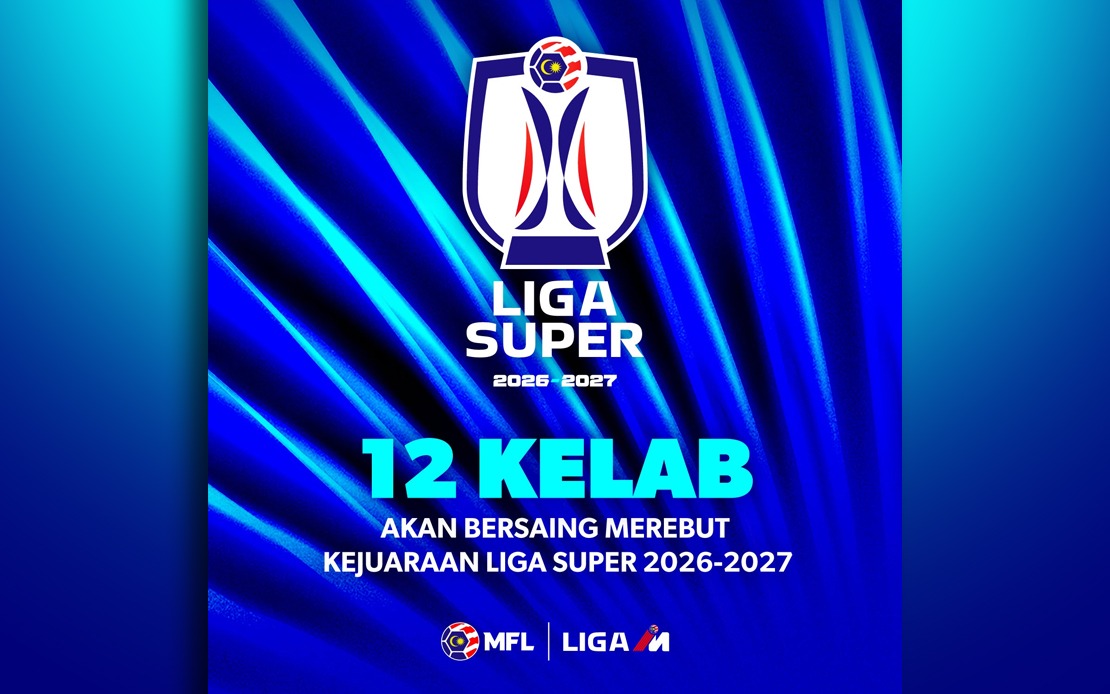
The Malaysia Football League has formally confirmed that 11 clubs will take part in the 2026/2027 Super League season, which is set to commence on August 21, with a 12th slot expected to be determined by July 16. This announcement provides clarity to Malaysian football stakeholders about the upcoming campaign, though the participation of one prominent club remains contingent on administrative and regulatory matters.
The 11 clubs that have secured their places are a familiar mix of established and ambitious sides: Johor Darul Ta'zim, the perennial title contenders, join Kuching City FC, Selangor FC, Kuala Lumpur City FC, Terengganu FC, Star City FC, Negeri Sembilan FC, Penang FC, Sabah FC, DPMM FC, and Melaka FC. This roster reflects the current competitive landscape of Malaysian football, encompassing clubs from peninsular Malaysia, East Malaysia, and Brunei's representative side.
The uncertainty centres on PDRM FC, whose participation will be determined following a decision by the First Instance Body regarding the club's compliance with licensing conditions. This situation underscores the regulatory framework governing Malaysian football clubs, which requires adherence to specific standards governing financial management, infrastructure, and operational capacity. The postponement of PDRM FC's confirmation suggests ongoing discussions between the club and the football authorities to ensure all licensing prerequisites are satisfied.
Should PDRM FC fail to meet the requisite licensing standards, Kelantan Red Warrior FC has been identified as the most probable candidate to fill the vacant slot. This contingency arrangement ensures that the Super League will proceed with a full complement of participating clubs regardless of PDRM FC's circumstances, maintaining competitive balance and fixture scheduling integrity throughout the season.
The competitive calendar for 2026/2027 reveals an ambitious scheduling structure designed to accommodate multiple tournaments across the year. The season will formally open with a Charity Shield match between JDT and Kuching City at Sultan Ibrahim Stadium on August 21, a fixture that will simultaneously serve as the opening round of the Super League proper. This dual-purpose opening reflects practical competition management while providing an immediate headline fixture to generate fan interest and media attention.
Beyond the Super League, the FA Cup competition has been scheduled to commence from September 1 or 2, with the final set for January 16, 2027. This timeline allows the knockout tournament to progress throughout the early season before concluding in the new year, providing clubs with opportunities to pursue silverware across multiple formats. The Malaysia Cup, traditionally one of the domestic calendar's marquee events, will begin on January 22 to 24, 2027, with its final scheduled for May 30, 2027, positioning it as a significant mid-to-late season focal point.
The MFL Challenge Cup adds an additional competitive outlet, scheduled to commence on February 10 to 11, 2027, with the two-legged final taking place on April 11 and 18, 2027. This competition structure reflects modern football administration's emphasis on providing diverse tournament pathways for clubs, allowing mid-table and lower-ranked teams opportunities to win silverware whilst enabling top clubs to manage fixture congestion strategically throughout the campaign.
From a Malaysian football perspective, this schedule demonstrates the league's determination to maintain a robust domestic competition calendar comparable to regional standards. The staggered tournament structure allows fans multiple opportunities for engaging with competitive football across different formats, whilst presenting broadcast and sponsorship opportunities throughout the calendar year. For clubs, the variety of competitions requires squad depth and tactical flexibility, as success demands sustained performance across multiple fronts.
The presence of DPMM FC and Kuching City FC alongside established peninsular clubs reflects Malaysian football's increasing regional integration and competitive internationalisation. These East Malaysian and Bruneian representatives bring distinct playing styles and development approaches to the Super League, enriching the competition's competitive texture and expanding the geographical reach of Malaysian domestic football's appeal.
The regulatory situation surrounding PDRM FC highlights broader governance questions within Malaysian football administration. The emphasis on licensing compliance suggests the league is implementing stricter operational standards, potentially addressing historical concerns about financial sustainability and professional administration among participating clubs. This approach aligns with regional football development trends, where licensing frameworks increasingly shape competitive structures and institutional accountability.
For Malaysian football enthusiasts and stakeholders, the confirmed calendar provides planning clarity for the upcoming campaign. The August 21 start date offers sufficient preparation time for competing clubs whilst allowing the MFL and its broadcast partners to establish marketing and promotional frameworks. The staggered tournament schedule ensures continuous competitive engagement, potentially sustaining fan interest and media attention across the full calendar year rather than concentrating attention on specific periods.
Looking forward, the resolution of PDRM FC's licensing status by mid-July will provide complete clarity about the 2026/2027 field. Regardless of that outcome, the MFL has demonstrated effective planning and administrative capability in constructing a comprehensive competitive framework. This scheduling approach positions Malaysian domestic football to compete effectively for regional attention whilst providing participating clubs with diverse pathways for achievement and development across the forthcoming campaign.

