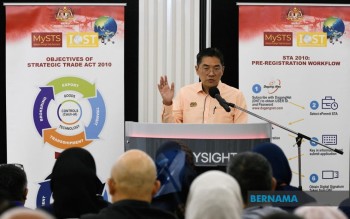
The Ministry of Investment, Trade and Industry has reaffirmed its commitment to reinforcing Malaysia's electrical and electronics sector as a cornerstone of the country's economic strategy and its position within interconnected global technology networks. Deputy Investment, Trade and Industry Minister Sim Tze Tzin underscored the sector's centrality to Malaysia's role in international manufacturing ecosystems, noting that it encompasses crucial segments ranging from high-tech semiconductor assembly to advanced sensor production and telecommunications infrastructure.
Penang and Malaysia's northern corridor have evolved into internationally recognised hubs for technology manufacturing, hosting numerous multinational corporations and specialist producers that form the backbone of regional and global supply chains. The concentration of such facilities in this geographical zone reflects decades of investment in infrastructure, skilled workforce development, and business-friendly regulatory frameworks that have positioned the area as a preferred destination for technology companies seeking reliable production bases. This clustering effect has created network advantages that strengthen the entire regional ecosystem, from component suppliers to logistics providers.
The semiconductor industry holds particular strategic importance within this broader technological landscape. Malaysia's involvement in semiconductor assembly, testing, and packaging represents a high-value segment of the global electronics value chain, where precision, reliability, and adherence to international standards are paramount. These activities generate substantial foreign exchange earnings and provide employment across skill levels, from highly trained engineers to experienced technical workers. The sector's resilience and growth potential make it instrumental to Malaysia's longer-term economic trajectory and regional competitiveness.
Simultaneously, MITI is placing considerable emphasis on export control compliance mechanisms to ensure that Malaysia's technology sector maintains the international trust and regulatory standing necessary for continued growth. Proper adherence to global trade frameworks and technology transfer protocols is essential for preserving market access and preventing disruption to supply chains. Companies that fail to meet compliance standards risk exclusion from international partnerships and access to critical markets, making government guidance on these matters increasingly important as trade relationships grow more complex.
The Northern Region Strategic Trade Act (STA) Clinic programme, which attracted 86 industry participants, exemplifies MITI's proactive engagement strategy. This annual initiative provides companies with direct access to government advisers who specialise in product classification, regulatory permit procedures, and relationships with relevant licensing authorities. Such interactive platforms enable firms to address compliance uncertainties, streamline operational procedures, and ensure that internal audit practices meet international requirements—all critical factors for companies integrated into global supply networks.
Malaysia's robust trade performance during the first half of the year has created a favourable environment for business expansion and workforce development. This economic strength provides companies with the financial capacity to reinvest in their operations, upgrade facilities, and importantly, improve compensation packages for employees. Government officials have signalled expectations that companies benefiting from strong market conditions should channel a portion of their gains back to workers through salary increases and performance bonuses, recognising that worker welfare directly correlates with productivity, retention, and social stability.
The interconnection between industry performance and employee welfare reflects a broader understanding that Malaysia's competitiveness depends not merely on infrastructure and investment incentives, but on maintaining a stable, motivated, and skilled workforce. Companies that prioritise staff development and fair remuneration create conditions for innovation and quality improvement that ultimately benefit their global customers and the nation's reputation for manufacturing excellence. This virtuous cycle—where strong business performance translates into improved living standards for workers—becomes particularly relevant as Malaysia competes for advanced manufacturing investments against other Southeast Asian nations.
Government-industry collaboration emerges as a critical pillar in this strategic framework. The MITI's multi-faceted approach encompasses not only regulatory oversight and compliance support, but also proactive partnership in addressing industry challenges and opportunities. Regular engagement platforms, sector-specific guidance, and responsive policy-making demonstrate a recognition that public and private entities must work in concert to navigate increasingly complex global trade dynamics. Such collaboration strengthens Malaysia's appeal to multinational corporations considering production location decisions, as it signals political stability and commitment to supporting business success.
Looking forward, maintaining Malaysia's position as a trusted technology manufacturing destination requires sustained investment in workforce skills, research and development capabilities, and infrastructure modernisation. The sector's future hinges on the country's ability to adapt to emerging technologies, manage geopolitical uncertainties affecting supply chains, and continue attracting premium manufacturing activities. MITI's ongoing strengthening initiatives address these imperatives, positioning Malaysia to weather market volatility and capitalise on opportunities arising from global diversification away from concentrated production bases.

