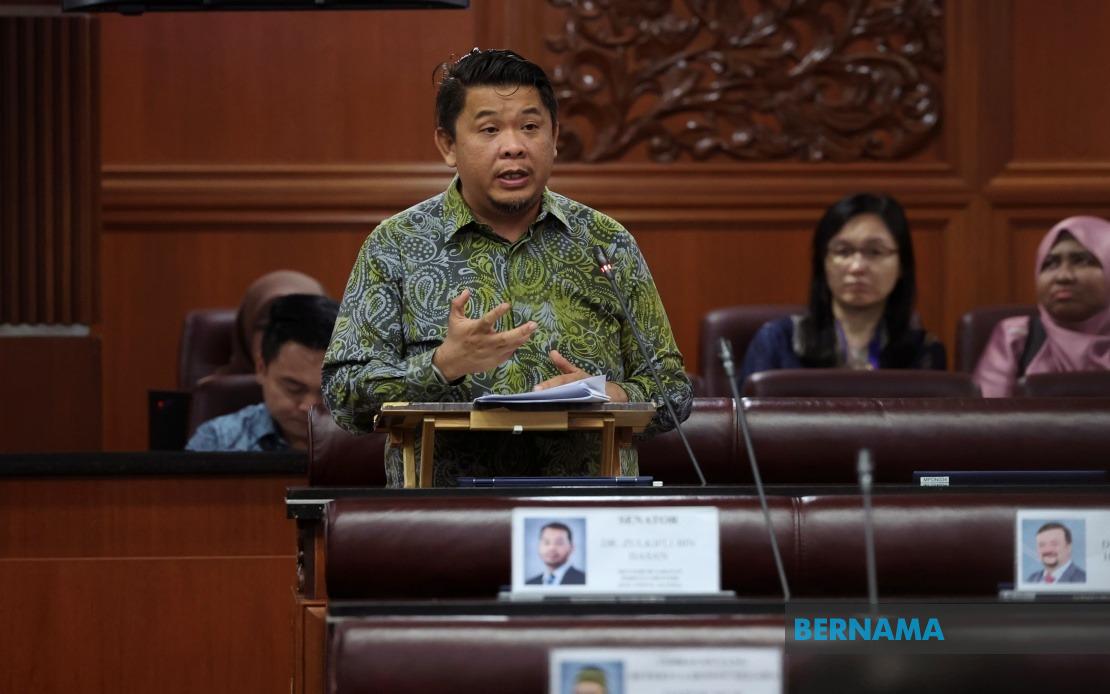
Malaysia has taken the significant step of directing the United Nations High Commissioner for Refugees to cease all refugee registration activities in the country, at least temporarily. The measure, announced by Deputy Foreign Minister Datuk Lukanisman Awang Sauni in Parliament, forms part of a broader governmental initiative to establish a more centralized and organised approach to refugee management through the Refugee Registration Document, or DPP, programme. This decision reflects mounting concerns within the administration about the current state of refugee documentation and oversight in Malaysia.
The Cabinet's directive aims to establish tighter governmental control over refugee data collection and administration, moving away from reliance on international organisations' record-keeping systems. Under the new DPP framework, Malaysia's authorities intend to manage all refugee-related information through domestic channels, enabling the government to coordinate data more effectively while conducting identity verification and implementing stronger regulatory controls. This shift represents a fundamental change in how the country approaches the administrative apparatus surrounding refugee populations, particularly given Malaysia's significant populations of displaced persons from Myanmar and other neighbouring regions.
The rationale behind this registration pause centers on Malaysia's legal position regarding international refugee obligations. As a nation that has not ratified the 1951 Refugee Convention, Malaysia has long maintained that it faces disproportionate burdens in managing refugee populations without corresponding international support or legal frameworks that would distribute responsibility among treaty signatories. Government officials have consistently highlighted the strain placed on Malaysian infrastructure, social services, and security apparatus by hosting large refugee populations, particularly those from Myanmar's ethnic minorities.
The restructured DPP registration process will incorporate heightened security and verification procedures, involving coordination with multiple enforcement agencies to ensure that only genuinely eligible individuals receive registration status. This stringent approach aims to prevent fraudulent claims while simultaneously closing potential pathways for illegal immigration. The government's emphasis on collaborative enforcement suggests that registration decisions will now undergo more rigorous scrutiny than under the previous UNHCR-managed system, potentially affecting approval timelines and creating new administrative burdens for applicants.
The announcement specifically addresses the situation of Rohingya refugees, who have presented particular governance challenges for Malaysia due to their statelessness. Lacking both valid identity documents and recognition from Myanmar's government, Rohingya populations have historically relied on UNHCR registration as a de facto proof of identity. The transition to a purely domestic registration system potentially affects how these individuals will be documented and tracked within Malaysia's administrative structures, raising questions about their access to services and legal protections during the transition period.
Lukanisman's statement reflects Malaysia's broader diplomatic strategy of addressing the Rohingya crisis through multilateral engagement rather than unilateral action. The government continues pursuing discussions with Myanmar and other ASEAN member states to develop regional solutions to displacement challenges. This approach positions Malaysia as seeking burden-sharing arrangements rather than accepting continued responsibility as a primary host nation. Such diplomatic efforts represent an attempt to mobilise international pressure on Myanmar to create conditions enabling the safe return of refugees to their homeland.
Simultaneously, the government has announced plans for repatriating approximately five thousand Myanmar nationals currently held in immigration detention facilities. These individuals will be returned to Myanmar through formal governmental cooperation, with transport arrangements involving naval vessels subject to finalisation of bilateral processes. This repatriation initiative underscores the government's determination to reduce the overall migrant and refugee population currently within Malaysian territory, reflecting broader policy objectives around domestic population management and resource allocation.
The timing of this policy shift coincides with rising public discourse in Malaysia about immigration pressures and their perceived effects on employment, housing, and public services. The government's move toward centralised refugee management through the DPP programme aligns with nationalist sentiments within the electorate and among policymakers who have emphasised the need for stronger state sovereignty over immigration and refugee matters. By establishing direct governmental oversight rather than outsourcing administrative functions to international bodies, Malaysia projects control and decisiveness in addressing migration challenges.
The implications of this restructuring for refugee advocacy organisations and humanitarian groups remain uncertain. International NGOs and UN agencies have historically played crucial roles in providing documentation, legal assistance, and social services to refugee populations. A shift toward purely governmental administration could potentially reduce the accessibility of such support services, particularly for vulnerable populations including children, persons with disabilities, and survivors of trafficking. Advocacy groups may face increased constraints in their operations, particularly regarding refugee documentation and status verification activities.
For Southeast Asia more broadly, Malaysia's policy recalibration signals potential shifts in how the region collectively approaches refugee management. As the association's largest host nation for Rohingya populations, Malaysia's decisions carry outsized influence on regional approaches to displacement crises. The emphasis on bilateral repatriation arrangements with Myanmar and multilateral engagement through ASEAN suggests that the region may be moving toward solutions centred on resolving crises at their source rather than managing large displaced populations in host countries indefinitely.
The restructured system also raises questions about documentation standards and international recognition of Malaysian refugee registrations. If the DPP documentation lacks formal international recognition protocols, refugees holding such documents may face complications when seeking resettlement to third countries or accessing services requiring UNHCR-certified status. This potential mismatch between domestic and international documentation standards could create legal complications for refugee populations attempting to move between jurisdictions or access cross-border services.
Lukanisman's parliamentary responses have not specified a definitive timeline for resuming refugee registrations under the new DPP framework, leaving the duration of the current suspension unclear. This ambiguity creates uncertainty for refugee populations awaiting registration processing and for organisations planning services around documented refugee populations. The suspension period will likely prove critical in determining whether the transition to the new system proceeds smoothly or generates administrative backlogs and unmet humanitarian needs. Malaysian policymakers will need to balance their objectives around improved administrative control with humanitarian obligations toward vulnerable displaced persons.
The government's assertion that the DPP programme will strengthen Malaysia's capacity to manage refugee populations represents an optimistic outlook on the new system's functionality. Success will depend on adequate resource allocation, technical capacity development, and effective inter-agency coordination among Malaysia's various enforcement and administrative bodies. The coming months will reveal whether the restructuring delivers the promised improvements in data management and regulatory control or whether it creates new operational challenges for both government agencies and refugee populations subject to the revised registration procedures.

