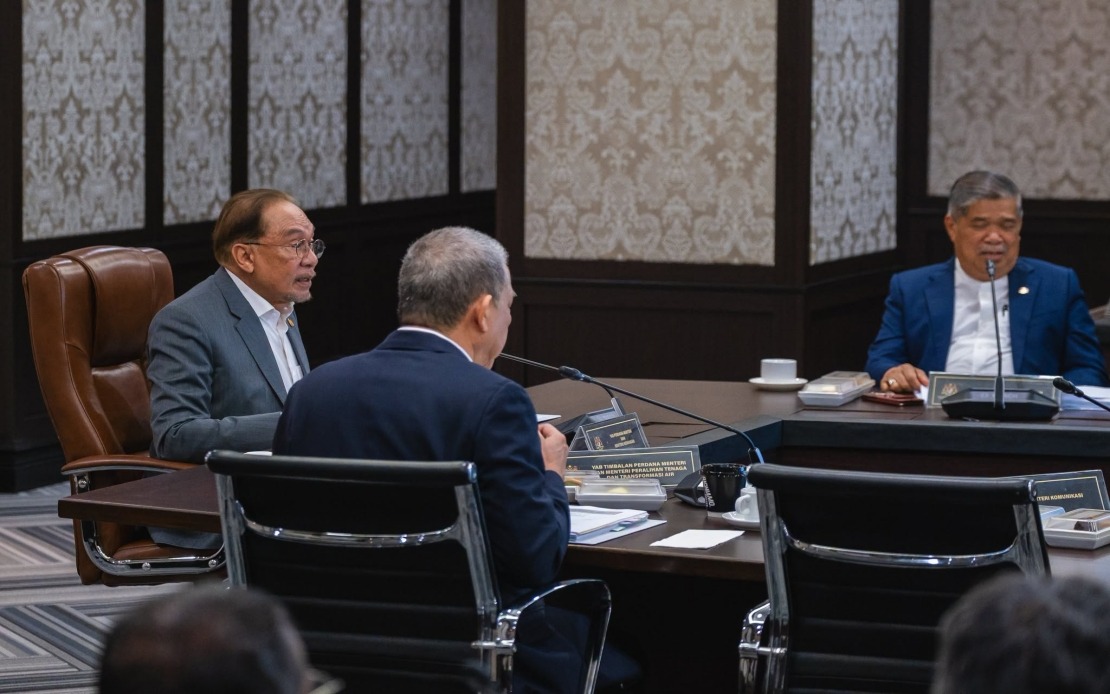
The Malaysian government is pursuing negotiations with Thailand to address persistent trade barriers that have constrained the country's agricultural exports for nearly a decade. Agriculture and Food Security Minister Datuk Seri Mohamad Sabu revealed that efforts to resolve the Thai restrictions on Malaysian shrimp have become a focal point in high-level diplomatic engagement, following discussions at the National Food Security Council Meeting No. 1 of 2026, which was chaired by Prime Minister Datuk Seri Anwar Ibrahim.
The shrimp export restrictions, which have been in place since 2017, represent a significant challenge for Malaysian aquaculture producers who depend on regional markets for revenue. Beyond this long-standing issue, Malaysia is simultaneously pursuing approval for its livestock products to enter Thailand, an application that has been pending since 2024. These dual challenges underscore the complexity of agricultural trade within Southeast Asia, where technical standards and sanitary measures often become flashpoints in bilateral relations.
The scope of trade tensions extends further than shrimp alone. Thailand has also imposed restrictions on shrimp imports into Malaysia, with these new measures becoming effective from June 1 of this year. Concurrently, Malaysian barramundi (siakap) exports face stringent inspection procedures at Thai ports, creating additional bottlenecks in the supply chain. This reciprocal pattern of restrictions suggests that broader trade policy disagreements may be at play, rather than isolated concerns about individual commodities.
The timing of these negotiations coincides with growing concerns about food security across the region. Mohamad highlighted the government's awareness of how El Niño phenomena and climate change patterns could intensify drought conditions, potentially undermining domestic agricultural output. These environmental pressures make it increasingly critical for Malaysia to maintain reliable market access elsewhere in the region, as relying solely on domestic production becomes riskier when extreme weather events threaten crop yields.
In response to these multifaceted challenges, the Ministry of Agriculture and Food Security has developed a comprehensive strategy that encompasses prevention, adaptation, and protection measures for local agricultural entrepreneurs. The government recognises that weathering both trade disruptions and climate volatility requires a layered approach that strengthens farmer resilience while simultaneously pursuing diplomatic solutions to market access problems.
Among the initiatives under consideration is the development of alternative protein sources within Malaysia, a strategic pivot that could reduce reliance on traditional export markets and create new domestic opportunities. Simultaneously, the government is working to enhance the international competitiveness of local agricultural products, ensuring that Malaysian producers can meet stringent international standards and capture market share in countries beyond Thailand. These efforts represent a shift towards building a more self-sufficient and diversified agricultural economy.
The Ministry has also prioritised improvements to the Malaysian Fisheries Development Authority's (LKIM) infrastructure, specifically focusing on slipway services and operational efficiency. Better port facilities and handling capabilities can reduce post-harvest losses and improve product quality, making Malaysian seafood more attractive to international buyers and potentially addressing concerns that have prompted Thai restrictions in the first place.
The government is leveraging the Malaysian Agriculture, Horticulture and Agro-tourism Exhibition (MAHA 2026), scheduled for August 28 to September 6 at the Malaysian Agricultural Expo Park (MAEPS) Serdang, as a platform to showcase the sector's transformation and innovation. Held biennially, this major event serves as both a domestic showcase for agricultural advancement and an opportunity to engage regional partners on food security issues and trade opportunities.
Morehead than simply resolving individual trade disputes, the government has framed food security as a national priority requiring coordinated action across all stakeholders. Mohamad emphasised that protecting Malaysia's food system and maintaining resilience against global challenges demands holistic strategic cooperation that transcends individual ministerial portfolios and involves sustained coordination with neighbouring countries like Thailand.
The broader context for these negotiations reflects the delicate balance Southeast Asian nations must maintain between pursuing national agricultural interests and maintaining regional stability. Malaysia's agricultural sector, which employs significant numbers of rural workers and contributes substantially to export earnings, cannot afford prolonged market closures. Yet heavy-handed diplomatic pressure risks escalating tensions in a relationship that encompasses numerous other bilateral and regional interests.
These discussions underscore the reality that agricultural trade within Southeast Asia remains vulnerable to both political tensions and technical regulatory disagreements. For Malaysian stakeholders in the shrimp and livestock sectors, the outcome of these negotiations will determine whether they can sustain their current export operations or must fundamentally restructure their business models around alternative markets, domestic consumption, or new product lines.
The government's multi-pronged approach—simultaneously negotiating market access, strengthening domestic production capacity, developing alternative proteins, and improving infrastructure—reflects recognition that resolving Thai trade barriers may prove protracted. By building redundancy into Malaysia's food system and enhancing competitiveness across the board, policymakers are preparing the sector for multiple possible futures while maintaining diplomatic channels with a crucial regional neighbour.

