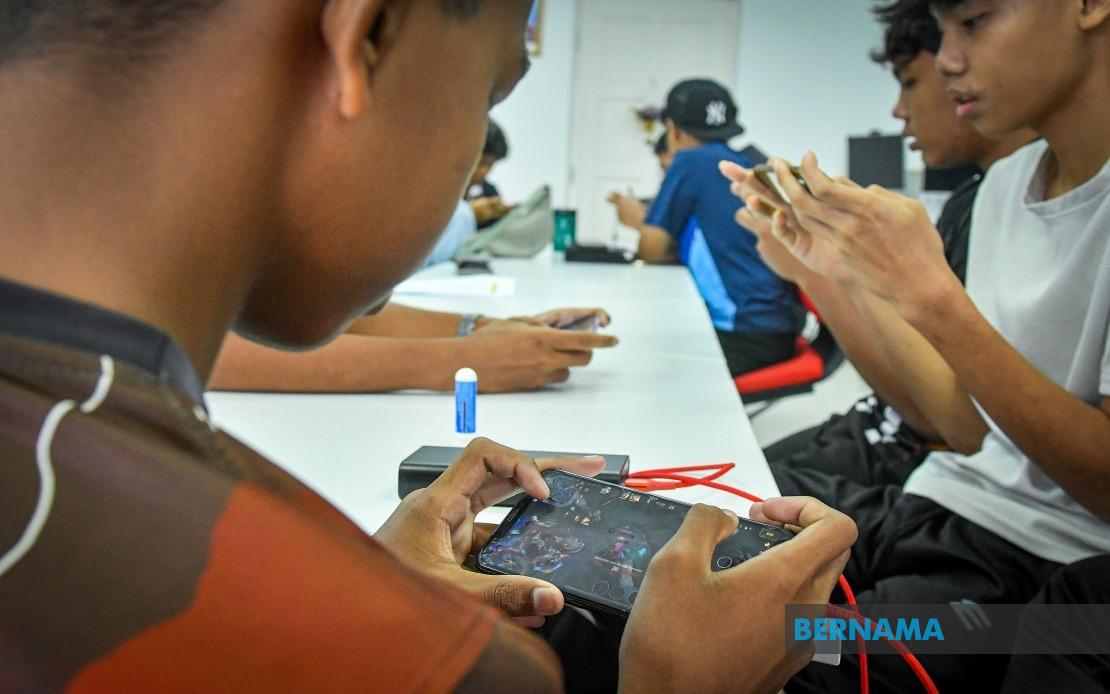
The Malaysian government is ramping up efforts to make parents aware of and enforce a ban on social media account ownership for children under the age of 16, positioning parental oversight and digital literacy as central to protecting young users online. Deputy Communications Minister Teo Nie Ching unveiled this intensified approach during a press conference in Johor Bahru on August 22, marking the fourth instalment of the Safe Internet Campaign and highlighting the critical role parent-teacher associations play in spreading the message.
At its core, the government's strategy reflects a subtle but important philosophical shift: rather than simply prohibiting children from accessing social platforms, authorities are urging parents to educate and actively supervise their offspring's digital behaviour. This distinction matters considerably in a Malaysian context where family structures and parental authority remain influential in shaping child behaviour. The MADANI Government policy explicitly restricts social media accounts for those aged 16 and below, yet Teo emphasised that the real challenge lies not merely in saying no, but in fostering informed decision-making and responsible device use within households across the country.
The campaign recognises a practical reality that many parents face: children often need mobile phones and tablets for educational purposes. Rather than banning devices outright, the government is encouraging parents to implement safeguards and monitoring mechanisms to prevent misuse. This pragmatic approach acknowledges the digital integration in Malaysian schools and workplaces while attempting to shield vulnerable young people from potential harms including cyberbullying, predatory behaviour, and excessive screen time.
Enforcement mechanisms are being coordinated through the Malaysian Communications and Multimedia Commission, which will act on reports of minors with active social media accounts. When violations are identified, the MCMC submits documentation to digital platform providers requesting account removal. This two-pronged approach—combining household-level responsibility with regulatory oversight—aims to create multiple barriers to underage account creation and use.
The Safe Internet Campaign has achieved substantial reach since its inception, operating across an extensive network of educational institutions nationwide. To date, the programme encompasses 5,946 government primary schools, 2,416 government secondary schools, 1,285 Chinese vernacular schools, and 524 Tamil vernacular schools. Beyond basic education, the initiative extends to 68 higher education institutions, 67 Form Six and vocational colleges, and six teacher training institutes. This breadth suggests a coordinated national effort spanning Malaysia's diverse educational landscape.
The fourth series focusing on Johor marks a methodical rollout strategy, with planners already scheduling moves to Sabah in September and Sarawak in October. This phased geographic approach allows organisers to tailor messaging to regional contexts and gather feedback before advancing to other states. Parent-teacher associations serve as frontline communicators, positioned to influence household practices where enforcement genuinely occurs.
Underpinning these efforts is the Online Safety Act 2025, which authorises the Child Protection Code and Risk Mitigation Code implemented by the MCMC. Beginning June 1 of this year, Malaysia began requiring age verification for social media registration, with users obliged to produce official identification documents such as the MyKad, passport, or MyDigital ID. This technical requirement represents a significant compliance hurdle for minors attempting to circumvent restrictions, though determined young people may still find workarounds through shared accounts or falsified credentials.
The timing of this campaign reveals government concerns about digital safety in Malaysia, where smartphone penetration among adolescents has grown rapidly. While social media platforms offer genuine benefits—connectivity, creative expression, educational content—they simultaneously expose young users to algorithms designed for engagement, potential cyberbullying, and content unsuitable for developing minds. The 16-year threshold aligns with comparable international standards, including recent legislative moves in other democracies attempting to protect youth online.
For Malaysian families, the campaign represents an invitation to recalibrate household digital norms. Parents accustomed to using smartphones as entertainment tools for young children face implicit pressure to modify this practice. Schools participating in the initiative must also reinforce these messages during parent engagement sessions, potentially creating tension between institutional digital learning needs and protective restrictions. Educators will need to balance encouraging responsible technology use while supporting the underage social media ban.
The broader Southeast Asian context lends particular significance to Malaysia's approach. Regional nations including Singapore and Thailand have also grappled with youth digital safety, making Malaysia's campaign a visible test case for how enforcement and education can coexist. Success here could inform policy discussions elsewhere in the region, while implementation challenges might offer cautionary lessons for governments contemplating similar restrictions.
The campaign's emphasis on education rather than pure prohibition distinguishes it from more punitive approaches. This reflects recognition that digital natives require guidance rather than alienation from technology. By positioning parents as partners in creating digital boundaries, the government acknowledges that sustainable change emerges from household commitment rather than external mandates alone. Whether parental awareness translates into genuine behavioural change—with teenagers relinquishing accounts and parents consistently monitoring devices—remains the crucial test.

