The Malaysian Ministry of Higher Education is ramping up its surveillance systems to protect its nationals studying across West Asia, responding to mounting instability in the region that has prompted international governments to reconsider their diplomatic presence. Higher Education Minister Datuk Seri Dr Zambry Abd Kadir outlined the proactive stance during remarks following an educational programme in Putrajaya, emphasising that the ministry maintains continuous coordination with Wisma Putra to navigate an increasingly fluid security landscape.
The timing of this commitment reflects broader international concern about conditions in the region. The United States has issued travel advisories cautioning its citizens to consider departing West Asian countries, a signal that has prompted Malaysian authorities to accelerate their contingency planning. Dr Zambry acknowledged the unpredictability inherent in major power foreign policy decisions, noting that American strategic postures can shift substantially within short timeframes. This recognition underscores why the ministry has adopted a precautionary approach rather than adopting a wait-and-see stance that characterises some institutional responses to crises.
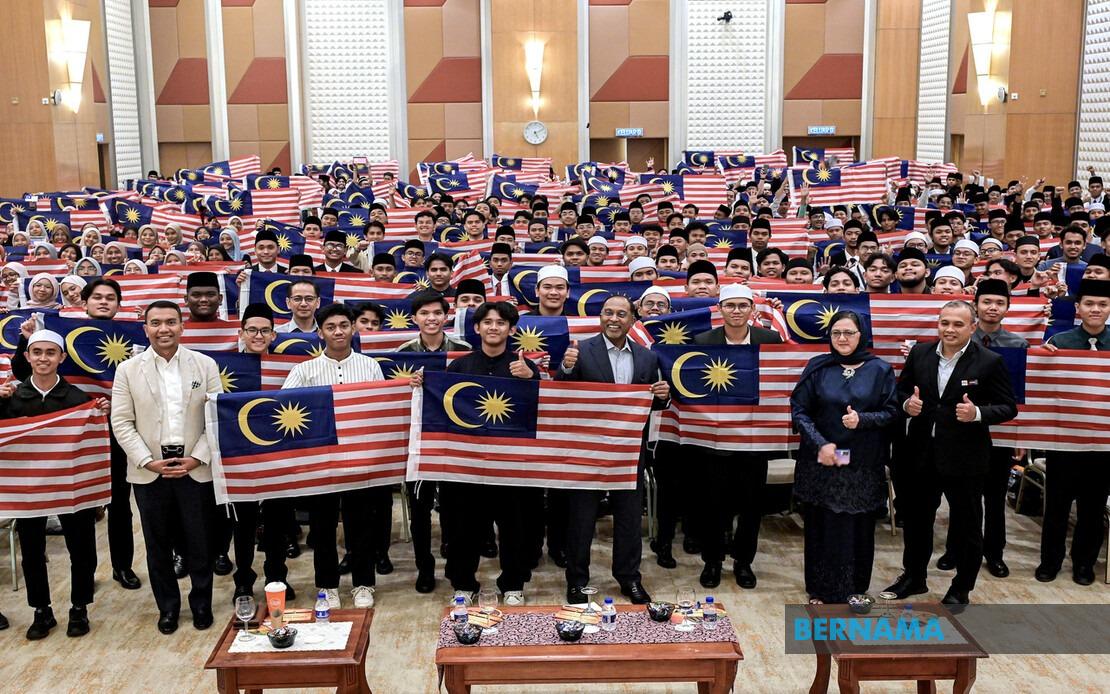
The immediate focus centres on 456 Malaysian students scheduled to commence studies in Egypt, Jordan and Morocco beginning September 1. These cohorts recently completed the International Charisma Programme, a joint initiative between the Ministry of Higher Education and the Malaysia Nationhood Academy designed to prepare students mentally, culturally and diplomatically before their departure. The programme serves dual purposes: furnishing students with practical guidance about their destinations whilst enabling ministry officials to maintain detailed records of participant locations and contact information.
Education Malaysia offices function as the ministry's regional backbone for student support operations. Facilities in Egypt and Jordan provide direct coordination channels and emergency response capabilities should circumstances deteriorate. The absence of a dedicated office in Morocco reflects the smaller concentration of Malaysian students there, though arrangements exist to route Moroccan student concerns through the Egyptian facility. This infrastructure demonstrates forward planning, yet it also reveals potential vulnerability in coverage should multiple countries experience simultaneous crises requiring immediate intervention.
The student populations across these nations reflect diverse academic ambitions extending well beyond religious studies. Dr Zambry emphasised that Malaysian cohorts in Egypt pursue medicine, dentistry, pharmacy and engineering disciplines alongside Islamic scholarship, challenging stereotypes that frame Arab study destinations as exclusively theological in focus. Egypt alone hosts thousands of Malaysian students across these fields, whilst Jordan supports between 1,000 and 2,000 nationals pursuing higher education. Morocco's Malaysian contingent remains proportionally modest but is experiencing steady expansion as awareness of opportunities there grows.
The strategic significance of overseas students transcends individual achievement or family aspirations. Dr Zambry characterised Malaysian students abroad as "strategic national assets," reflecting official policy that positions international education as essential infrastructure for national development. This framing matters because it justifies substantial government expenditure on monitoring, support systems and emergency protocols. When students return—the implicit assumption underlying this asset designation—they bring enhanced qualifications, international networks and cross-cultural competencies that domestic institutions and businesses require for competitiveness.
However, the ministry's holistic conception of student development extends beyond professional qualification acquisition. Officials stress that overseas education should encompass character formation through three integrated dimensions: ta'lim (knowledge transmission), tarbiah (personal and spiritual development) and ta'dib (ethical and moral instruction). This pedagogical framework reflects Malaysia's positioning of higher education as a nation-building instrument rather than merely an economic input. Students are expected to return not simply as skilled workers but as morally grounded contributors to national projects aligned with broader governmental visions.
Malaysia's own standing as an international education destination has strengthened considerably, a dynamic that influences how the government prioritises student protection abroad. The country now attracts learners from approximately 180 countries, validating the quality and international competitiveness of domestic institutions. This inbound diversity demonstrates that Malaysian higher education has transcended dependency on any single source market, reducing vulnerability to geopolitical disruptions affecting particular regions. The reciprocal logic suggests that protecting Malaysian students studying internationally preserves bilateral educational relationships and sustains Malaysia's reputation as a nation that values its academic diaspora.
The coordination between MOHE and the Foreign Ministry reflects recognition that student safety ultimately depends on broader diplomatic relationships and real-time intelligence about security developments. Wisma Putra's assessments of regional conditions inform ministerial decision-making about whether to recommend student departures, facilitate evacuations or maintain current deployments. This interdependency requires institutional trust and information-sharing protocols that may not always function seamlessly, particularly if diplomatic and educational priorities occasionally diverge.
The precautionary measures outlined remain somewhat general in nature. Dr Zambry confirmed that Education Malaysia offices are "always prepared," though the specific mechanisms underlying this preparedness remain undisclosed for security reasons. Whether preparation encompasses evacuation protocols, alternative accommodation arrangements, modified curriculum delivery or enhanced security escorts remains unclear. The absence of concrete operational details likely reflects both security considerations and the reality that contingency effectiveness often depends on flexibility rather than rigid predetermined responses.
The unpredictability of the current regional environment means that no assurance can be absolute. Iran's tensions with the United States and regional allies create cascading effects that extend far beyond direct combatants, potentially destabilising countries hosting significant foreign student populations. For Malaysia, whose students are geographically dispersed across multiple nations with varying security profiles, managing risk requires continuous assessment rather than one-time responses. The ministry's emphasis on close monitoring acknowledges this reality, signalling that student safety remains an evolving priority requiring sustained attention rather than episodic concern.

