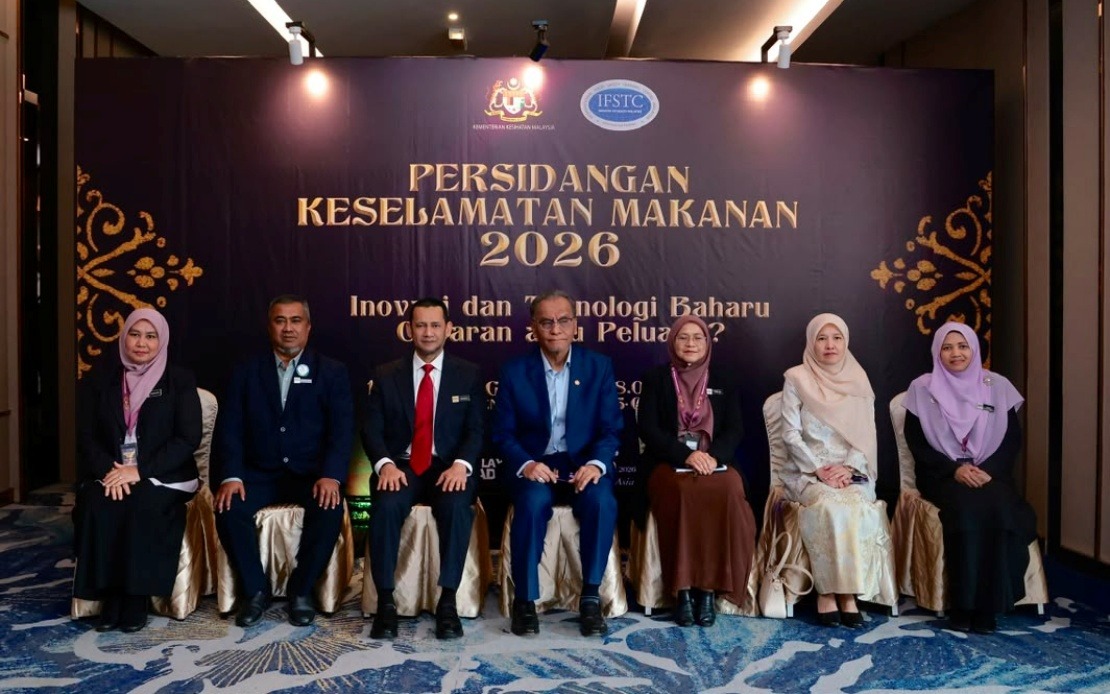
Malaysia has taken a significant step toward safeguarding its food supply by formally joining the Asia-Pacific Food Regulatory Authority Summit (APFRAS), marking a strategic pivot toward modernising how the nation manages food safety across its borders. Health Minister Datuk Seri Dr Dzulkefly Ahmad announced the Cabinet's approval of membership at a signing ceremony in Putrajaya coinciding with the opening of the 2026 Food Safety Conference, which explored the theme of innovations and technologies as both challenges and opportunities for the sector.
The decision to enter APFRAS carries particular weight given Malaysia's evolving position as a regional food hub. Through this membership, the country aims to position itself as what Dr Dzulkefly termed a Smart Gatekeeper at the Asia-Pacific level, a role that requires sophisticated coordination with neighbouring economies and harmonised regulatory standards. By joining this regional authority, Malaysia signals its commitment to leading digital transformation initiatives within food safety governance across the region—a crucial development given the interconnected nature of modern food production and distribution networks in Southeast Asia.
The membership addresses a pressing vulnerability in Malaysia's food security architecture: the nation's dramatic dependency on imported foodstuffs. Over the past decade, food imports surged by 85 percent, climbing from RM42.6 billion in 2013 to RM78.9 billion in 2023. This exponential growth reflects broader patterns across Asia-Pacific nations struggling to balance domestic agricultural output with population demands and changing dietary preferences. For Malaysian consumers, the implication is stark: the vast majority of food items reaching supermarket shelves now traverse complex, multi-jurisdictional supply chains spanning continents, each junction presenting potential vulnerabilities to contamination or safety breaches.
Dr Dzulkefly identified this expanded import footprint as the principal driver behind Malaysia's APFRAS participation. The intricate nature of global food supply networks means that regulatory oversight at Malaysia's entry points has become exponentially more demanding. A single contaminated shipment from a supplier anywhere in the world could potentially affect thousands of Malaysian consumers. By strengthening coordination through APFRAS, the nation gains access to real-time intelligence, standardised testing protocols, and early warning systems that individual countries cannot develop in isolation.
Central to Malaysia's strategy is the deployment of cutting-edge technology in food safety monitoring. The Health Ministry is actively investigating applications of artificial intelligence and predictive analytics to enhance surveillance and control mechanisms at border checkpoints and ports of entry. These digital tools promise to accelerate screening processes while improving detection accuracy, allowing inspectors to identify suspicious shipments with greater precision. For a country processing food imports valued in the tens of billions annually, such technological upgrades translate into substantial gains in efficiency and risk mitigation.
The APFRAS membership also positions Malaysia to champion two additional regulatory priorities: establishing harmonised frameworks for novel food innovations and governing the deployment of biodegradable packaging materials. These issues carry direct relevance to Malaysia's industrial strategy and food manufacturing sector. As companies develop alternative proteins, cultured meat technologies, and other emerging food products, they require clear regulatory pathways that prevent duplicative testing across different markets. Biodegradable packaging, meanwhile, aligns with broader environmental commitments while addressing consumer and corporate demand for sustainable food handling practices.
Malaysia's participation strengthens the alignment between its international food safety commitments and domestic policy priorities. The move directly supports both the National Food Safety Policy and the National Food Security Policy, creating vertical integration from regional cooperation down to local implementation. This coherence matters because food safety outcomes depend on seamless information flow and consistent standards across multiple government agencies, from port health authorities to state health departments to the agricultural ministry.
The 2026 Food Safety Conference, which drew over 300 participants representing regulatory bodies, industry stakeholders, and academic institutions, underscored the urgency surrounding these issues. Discussions centred on evidence-based control methodologies, emerging food safety risks, and the role of innovation in addressing traditional challenges. The diversity of attendees reflected the reality that food safety is no longer purely a government responsibility but requires active collaboration with private sector actors managing supply chains, manufacturers implementing safety protocols, and research institutions developing detection technologies.
For Malaysian businesses engaged in food exports, APFRAS membership presents both opportunities and obligations. Harmonised regulatory standards make it easier for Malaysian producers to access neighbouring markets without navigating conflicting requirements. Conversely, alignment with regional benchmarks means domestic manufacturers must meet elevated safety standards that, while potentially increasing compliance costs, strengthen their competitive positioning and market reputation. The regulatory upgrade thus reshapes competitive dynamics throughout the region's food sector.
The broader context for Malaysia's move involves Asia-Pacific nations collectively grappling with food security amid population growth, climate variability, and geopolitical supply chain fragmentation. No single country possesses sufficient domestic agricultural capacity to feed its population independently, necessitating regional cooperation frameworks. APFRAS represents an institutional response to this structural reality, creating mechanisms for coordinated governance even as individual nations maintain regulatory autonomy.
Looking ahead, Malaysia's deepening involvement in regional food safety architecture will require sustained investment in laboratory infrastructure, inspector training, and digital systems. The technological ambitions articulated by the Health Ministry—particularly around AI and predictive analytics—demand both capital allocation and ongoing international knowledge sharing. Neighbouring countries pursuing similar strategies create opportunities for collaborative development rather than duplicative investments.
Malaysia's formal entry into APFRAS ultimately reflects a mature recognition that food safety in an interconnected region cannot be secured through unilateral action alone. With nearly four-fifths of the food consumed by Malaysians now originating from beyond national borders, participation in regional regulatory governance has shifted from optional engagement to operational necessity. The membership positions the country not merely as a food importer managing risk, but as a regional leader shaping the governance standards that will define food safety across the Asia-Pacific for decades ahead.

