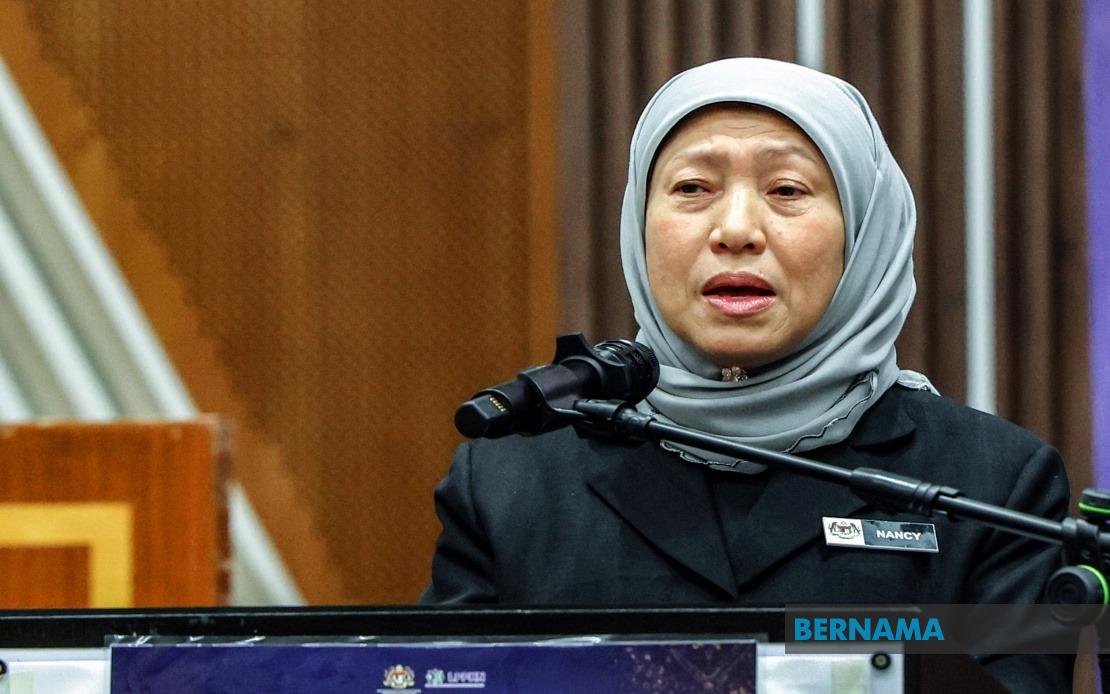
The Ministry of Women, Family and Community Development (KPWKM) is embarking on a significant research initiative this month to examine the multifaceted dimensions of men's empowerment and social responsibility in Malaysia. The 18-month national study, announced by Minister Datuk Seri Nancy Shukri, will form the foundation for the government's National Gentleman Initiative, a policy framework designed to cultivate a generation of emotionally resilient, responsible men capable of sustaining family units and contributing meaningfully to national progress.
The initiative represents a fundamental shift in how policymakers conceptualize male empowerment and development in Malaysia. Rather than narrowing the focus to traditional metrics such as economic participation and leadership roles, the study will encompass psychological well-being, emotional maturity, and the capacity to fulfill family obligations with integrity. Minister Shukri emphasised that genuine male empowerment must be anchored in the principle of mutual gender respect, rejecting definitions of masculinity rooted in dominance or hierarchy. A true gentleman, she articulated, is characterised not by authority over others but by wisdom, shared responsibility, and recognition of women as equal partners in constructing resilient households and sustainable communities.
The research emerges against a sobering backdrop of social and economic challenges affecting Malaysian men and families. Male suicide rates in the country are nearly triple those of women, underscoring a critical mental health crisis that has received comparatively limited policy attention. The 2023 National Health and Morbidity Survey identified that 4.6 per cent of Malaysians aged 16 and above experience depression, reflecting widespread psychological distress across the population that demands targeted intervention and support mechanisms.
Economic strain has become a defining pressure point for Malaysian households and male breadwinners. Bank Negara Malaysia data reveals that household debt has reached 84.3 per cent of gross domestic product, placing tremendous financial burden on families and contributing to psychological stress among men who traditionally shoulder primary earning responsibilities. This economic precarity intersects with rising family instability; divorce rates climbed 4.1 per cent to 60,457 cases in 2024, with financial hardship, inability to meet maintenance obligations, and prolonged household conflict identified as significant contributors to family dissolution.
Domestic violence statistics underscore the urgency of the empowerment agenda. Royal Malaysia Police data from January to December 2025 showed that 95 per cent of recorded domestic violence perpetrators were male, indicating that while men face distinct challenges, these difficulties cannot justify harm against others. This reality compels policymakers to address root causes of male aggression and family dysfunction through preventive programmes grounded in emotional education, conflict resolution, and mental health support rather than reactive enforcement alone.
The Men's Empowerment Consultative Forum, convened to launch the research initiative, serves as a strategic gathering platform employing a Public-Private-People Partnership (4P) approach. This collaborative framework brings together government agencies, private sector stakeholders, and community representatives to collect comprehensive views, lived experiences, and practical recommendations addressing the multifaceted obstacles confronting Malaysian men. The inclusive consultation process acknowledges that male empowerment cannot be engineered through top-down directives but requires genuine partnership with organisations and communities experiencing these challenges firsthand.
The research findings will substantially influence future policymaking and programme development across multiple government departments and agencies. By systematising evidence on men's social, economic, and psychological challenges, the study creates a foundation for designing interventions that address root causes rather than treating symptoms. This evidence-based approach aligns with Malaysia's broader commitment to data-driven governance and represents a departure from ad-hoc or anecdotal policymaking regarding male roles and family structures.
The initiative carries particular significance for Southeast Asia, where traditional gender paradigms and rapid economic transformation have created competing pressures on men's identity and family roles. Malaysia's recognition that male empowerment requires psychological sophistication and gender awareness sets a regional precedent for redefining masculinity in development policy. Other nations grappling with similar challenges—rising male suicide, family breakdown, and economic displacement—may observe Malaysian policy developments with interest.
Implementing the National Gentleman Initiative will require sustained commitment and resource allocation across multiple sectors. Educational institutions must integrate emotional resilience and responsible citizenship into curricula. Healthcare systems require expanded mental health services accessible to men, particularly given social stigma that discourages male help-seeking behaviour. Workplaces and professional associations have roles in promoting work-life balance and reducing economic stress that undermines family stability. Faith communities and cultural organisations can reinforce messages that equate maturity with emotional intelligence and relational responsibility rather than economic dominance.
The timing of this initiative reflects growing recognition that traditional development frameworks focusing exclusively on economic metrics have failed to address underlying male psychological distress. As Malaysia advances economically, pursuing high-income nation status requires not merely financial growth but social cohesion, stable families, and mentally healthy populations capable of engaging constructively in civic life. Men's empowerment, properly understood, contributes to these broader national objectives.
For Malaysian readers and policymakers, this study represents an opportunity to reframe conversations about male roles and responsibilities beyond defensive posturing or reactive criticism. By examining systemic pressures—economic inequality, workplace stress, healthcare access limitations, social isolation—that constrain male flourishing, the research can identify pragmatic interventions benefiting families and communities. The success of the National Gentleman Initiative will ultimately depend on whether Malaysian society genuinely embraces a vision of masculinity centred on emotional maturity, family commitment, and gender equality rather than traditional status hierarchies.

