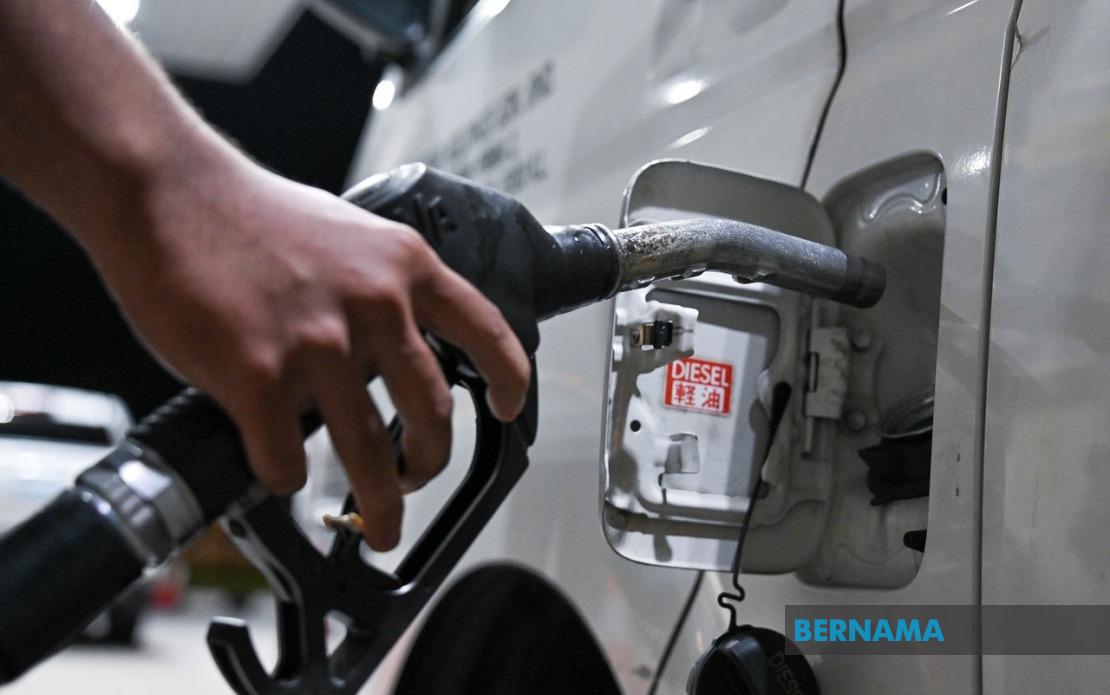
The Ministry of Domestic Trade and Cost of Living has dismantled long-standing controls on diesel sales to land transport operators in Malaysia's eastern states and federal territory, marking a significant shift in how fuel subsidies will be administered in these regions. The directive, which imposed tiered purchase limits of 50, 100, and 150 litres depending on vehicle classification, will cease to apply from July 1, 2026, according to an announcement by enforcement authorities on June 30.
The removal of these restrictions represents the ministry's formal acknowledgement that a more contemporary approach to fuel distribution is needed. The previous directive, issued on March 27, 2026, had attempted to curb misuse of subsidised diesel by restricting volumes available to commercial transporters. However, the government has determined that a technology-driven solution will prove more effective at preventing diversion and ensuring subsidies reach intended beneficiaries.
Prime Minister Datuk Seri Anwar Ibrahim laid the groundwork for this transition when he announced on June 21 the standardisation of subsidised diesel prices under the BUDI Diesel Programme at a uniform rate of RM2.10 per litre across all regions. This pricing alignment eliminates the possibility of arbitrage between states, which had previously motivated some operators to exploit price differentials and purchase limits. The centralised pricing structure reflects the government's broader objective of creating a more transparent and equitable fuel subsidy system.
The cornerstone of the new mechanism centres on identity verification technology at the point of sale. Beginning tomorrow, eligible consumers and transport operators will use their MyKad—Malaysia's multipurpose national identity card—to purchase subsidised diesel at participating petrol stations. This biometric-linked approach allows the government to track individual purchase volumes and spending in real time, creating a digital record that prevents multiple transactions by the same person and identifies suspicious patterns indicative of black-market activity.
Datuk Azman Adam, the ministry's director-general of enforcement, emphasised that the transition reflects confidence in the effectiveness of the new system. Rather than relying on arbitrary purchase caps that prove difficult to enforce and easily circumvent, the MyKad mechanism creates an automated compliance layer embedded directly into retail transactions. The system simultaneously aims to reduce administrative burden on petrol station operators and simplify the purchasing process for legitimate users.
The implications for Sabah, Sarawak, and Labuan are particularly significant given the geographic and logistical challenges these regions face. Previously, the purchase restrictions had created frustration among transport operators who argued the caps were insufficiently tailored to regional economic realities and operational requirements. Removing these caps without proper controls could theoretically create new abuse vectors, but the government contends that the MyKad verification system provides superior oversight compared to the previous administrative approach.
Retail fuel retailers holding scheduled controlled goods licenses in the three affected jurisdictions have been formally notified that they must immediately cease enforcement of the old directive. The ministry has requested full compliance with the new mechanism, suggesting that non-compliance will be monitored. The transition period is compressed—retailers have only hours to update their point-of-sale systems and staff procedures—raising questions about implementation readiness at the operational level.
The standardisation of the BUDI Diesel Programme price across regions carries broader macroeconomic implications. For years, regional pricing variations had reflected different cost structures and subsidy allocation decisions, but the move toward a single national price suggests the government is willing to absorb higher costs in lower-consumption areas to achieve uniformity. This approach prioritises equity and simplicity over targeted spending efficiency.
The shift also indicates the government's strategic pivot toward technology-enabled governance in subsidy administration. As Malaysia faces mounting expenditure on fuel subsidies—a persistent drain on the national budget—replacing blunt administrative instruments with data-driven verification tools represents a pragmatic response to fiscal pressure. The MyKad system generates granular transaction data that can inform future policy adjustments and identify systemic inefficiencies.
For transport operators in these states, the change removes a significant operational bottleneck. Previously, operators managing multiple vehicles faced cumulative purchase limit challenges that required careful scheduling and coordination across numerous retail outlets. The new system, assuming it functions as designed, should streamline purchasing while maintaining affordability and government oversight of subsidy costs.
The effectiveness of this transition will ultimately depend on technical implementation quality and retail sector cooperation. If MyKad verification systems malfunction or experience delays, the removal of purchase caps could temporarily enable excessive spending by individual consumers. Conversely, if the system operates smoothly, it may establish a template for subsidy administration across other sectors and commodities.
The government has appealed to all stakeholders to comply fully with the new framework, framing the change as beneficial for both consumers and the broader economy. However, experience with similar technology-dependent initiatives suggests that real-world performance often diverges from policy intentions, and monitoring the first weeks of implementation will be crucial to assessing whether the transition achieves its stated objectives.

