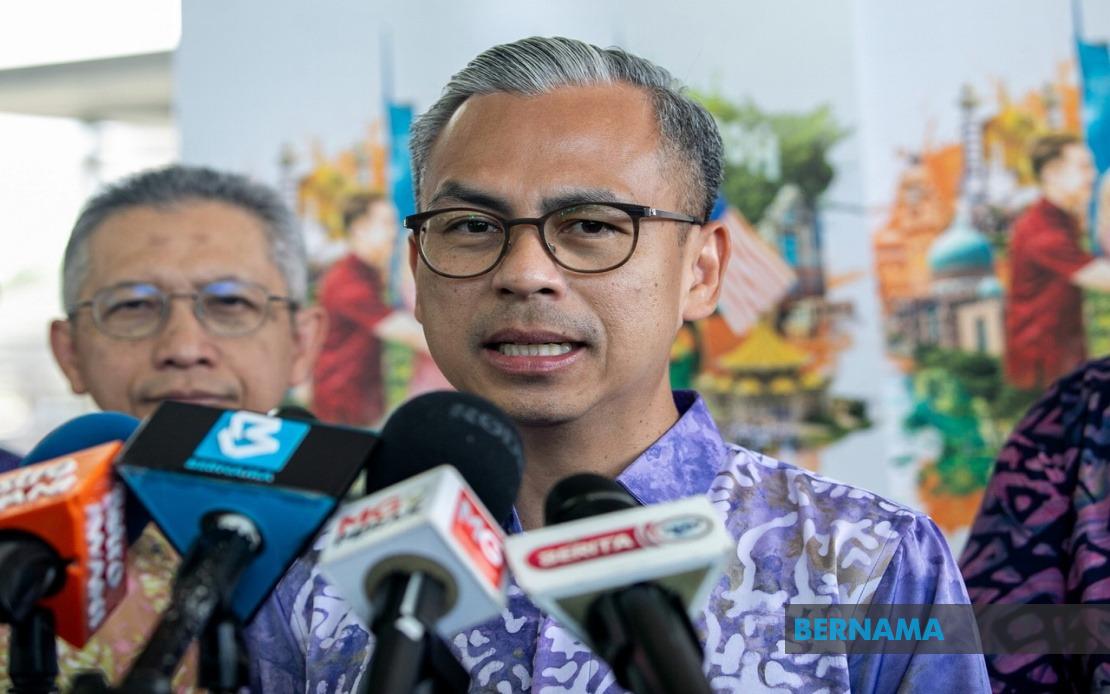
The government has unveiled the central theme for next year's National Day and Malaysia Day celebrations as 'Malaysia MADANI: Kesejahteraan Dinikmati' (Malaysia MADANI: Shared Prosperity), signalling its intention to position national unity and equitable development as the cornerstone of upcoming festivities. Communications Minister Datuk Seri Fahmi Fadzil made the announcement at the launch event held in Ipoh on July 19, where he articulated how the chosen theme encapsulates the administration's broader policy direction of ensuring Malaysia's growth trajectory benefits the entire population fairly.
The MADANI framework, which has become the government's defining policy rubric since taking office, extends considerably beyond conventional measures of economic progress. Rather than focusing solely on gross domestic product figures or investor sentiment, Fahmi explained that the vision encompasses tangible improvements in living standards, expanded access to opportunities across all demographic segments, and deliberate mechanisms to distribute development gains throughout society. This approach reflects a deliberate pivot towards addressing inequality concerns that have gained prominence in Malaysian public discourse, particularly following economic disruptions of recent years and mounting cost-of-living pressures affecting households nationwide.
A key assertion underpinning the government's framing centres on the principle of inclusion without exception. Officials emphasised that regardless of ethnic background, religious affiliation, geographical location, or socioeconomic status, all Malaysians should experience tangible benefits from the nation's progress. This messaging carries particular resonance in a multicultural democracy where regional disparities in development and divergent perceptions of equitable resource allocation have periodically strained social cohesion. By anchoring the national celebration to these principles, the government signals commitment to addressing longstanding grievances about unequal access to opportunities and resources across different communities and regions.
Prime Minister Datuk Seri Anwar Ibrahim presided over the formal launch ceremony, underscore the administration's prioritisation of these themes at the highest political level. The attendance of National Unity Minister Datuk Aaron Ago Dagang and Perak Menteri Besar Datuk Seri Saarani Mohamad further demonstrated the cross-ministerial coordination behind the initiative, reflecting that inclusive development has become woven through multiple government portfolios rather than remaining confined to any single ministry.
Fahmi drew explicit connections between Malaysia's rich cultural and religious diversity and the nation's contemporary stability and international standing. Rather than presenting diversity as a challenge to be managed, he framed it as a foundational asset that has historically underpinned social harmony and mutual respect. This reframing gains significance given global trends towards polarisation and sectarian tensions in various regional contexts, positioning Malaysia's multicultural model as a deliberate achievement worthy of protection and celebration. The minister called upon all citizens to view preservation of this unity as a collective responsibility rather than an obligation imposed from above.
Several concrete programmes have been scheduled to operationalise these celebratory themes beyond rhetorical commitment. The 'One House, One Jalur Gemilang' campaign invites individual households to display the national flag, transforming private domestic spaces into visual affirmations of national identity and patriotic sentiment. Meanwhile, the Kembara Merdeka Jalur Gemilang convoy programme will traverse the country, bringing celebrations to communities and enabling citizens throughout Malaysia to participate in festivities regardless of urban or rural location. These grassroots-oriented initiatives aim to foster emotional connections to national symbols and strengthen bonds among citizens through shared participatory experiences.
Information regarding the various programmes and events associated with the 2026 celebrations will be disseminated through the Merdeka 360 digital portal and the Information Department's social media channels, reflecting the government's integration of digital platforms into public communication strategy. This multi-channel approach acknowledges the diverse media consumption habits across Malaysia's demographic spectrum and ensures accessibility for citizens seeking details about specific events or opportunities for participation.
The selection of Ipoh as the launch venue, rather than the federal capital, carries symbolic weight regarding the government's commitment to regional representation and devolved celebration of national milestones. By conducting the announcement in Perak, officials signal that major national initiatives will be anchored throughout the country rather than concentrated in Kuala Lumpur, extending the physical geography of state engagement with major government initiatives.
For Southeast Asian observers, Malaysia's emphasis on inclusive shared prosperity carries broader implications as regional democracies navigate tensions between rapid economic development and equitable distribution of its fruits. The articulation of these principles through a major national celebration platform demonstrates how governments can anchor policy frameworks to compelling national narratives, potentially influencing how citizens perceive their relationship to state development priorities. Whether the gap between rhetorical commitment and actual distributive outcomes can be bridged will likely influence public perceptions of government credibility heading into the 2026 celebration period and beyond.

