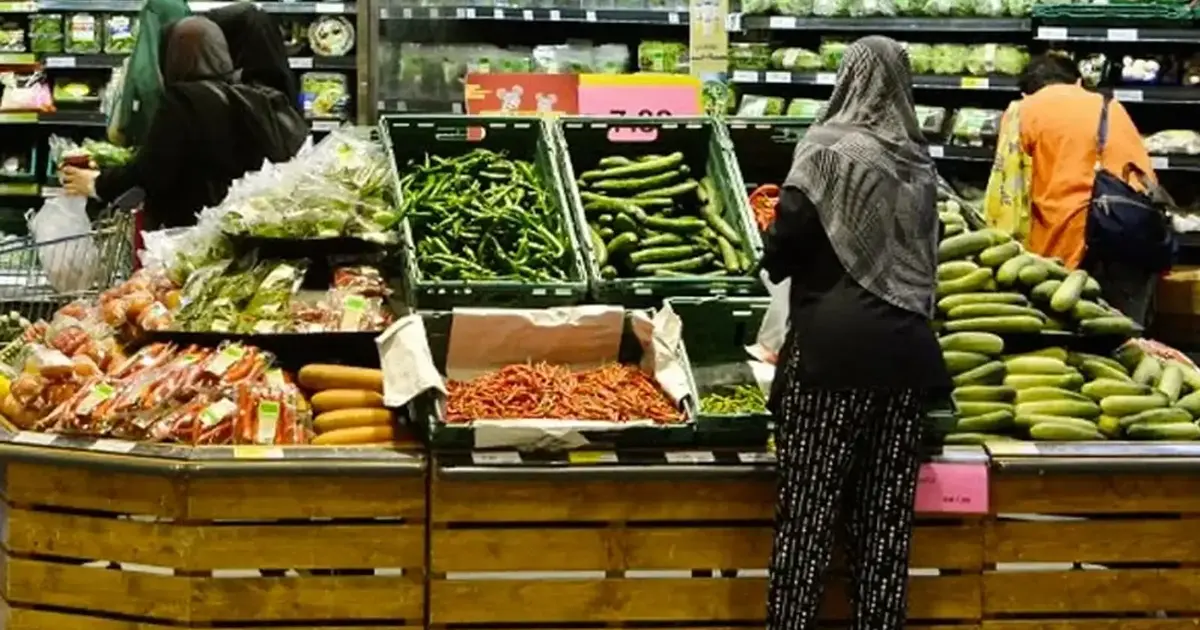
Deputy Prime Minister Ahmad Zahid Hamidi has signalled the government's willingness to expand Malaysia's assistance for cost of living by extending the SARA food aid programme to cover fresh vegetables and fruits. The proposal represents a potential shift in how Putrajaya approaches household purchasing power, moving beyond the narrower range of staple foods currently subsidised through the scheme. Zahid indicated that the expansion would be formally submitted to the National Action Council on Cost of Living, the cabinet-level body responsible for evaluating and implementing measures to ease financial pressure on ordinary Malaysians.
The SARA scheme, which stands as one of the government's flagship initiatives to combat inflation's impact on household budgets, has primarily focused on staple foodstuffs since its inception. By potentially widening the programme's scope to include vegetables and fruits, policymakers appear to recognise that fresh produce prices have become a significant concern for consumers navigating food price volatility. This expansion would align with broader concerns raised across the country about the escalating cost of nutritious food items, particularly affecting lower and middle-income families who spend a disproportionate share of their income on groceries.
The timing of this proposal reflects the ongoing economic pressures facing Malaysian households. Inflationary trends have persisted despite various government interventions, and fresh produce has emerged as a particular flashpoint because prices fluctuate based on seasonal availability, supply chain disruptions, and imported goods dependency. Including vegetables and fruits in the SARA framework would provide more comprehensive nutritional support while simultaneously addressing consumer frustrations about retail pricing for these essential items.
The National Action Council on Cost of Living, the designated evaluative body, holds significant sway over which subsidy proposals proceed to implementation. This council comprises senior government officials and serves as a filtering mechanism for initiatives aimed at reducing household expenses. By routing the vegetable and fruit expansion through this formal channel, Zahid is ensuring the proposal undergoes proper scrutiny and cost-benefit analysis before commitment of public resources. Such processes typically evaluate fiscal impact, supply chain feasibility, and effectiveness in reaching intended beneficiaries.
Malaysia's approach to food subsidies has long involved debate about optimal targeting and fiscal sustainability. Expanding SARA to cover fresh produce would require careful consideration of several practical factors, including whether subsidies would apply uniformly across all vegetable and fruit categories or focus on essential nutrition staples. The government would also need to determine whether direct consumer subsidies at point of sale, wholesale support to vendors, or producer subsidies would prove most efficient in stabilising retail prices while maintaining farmer viability.
For Malaysian consumers, particularly in urban areas where fresh produce costs have risen noticeably, such an expansion could provide meaningful relief. Lower-income households in cities like Kuala Lumpur, George Town, and Johor Bahru have reported reducing their fruit and vegetable consumption due to price constraints, creating potential nutritional implications. A subsidy programme addressing these items could help restore access to critical micronutrients while simultaneously reducing the psychological burden of grocery shopping that many Malaysian families experience during periods of price volatility.
The proposal also carries implications for local agricultural producers, particularly vegetable farmers and smallholders who supply domestic markets. Rather than allowing price competition to depress farm-gate returns excessively, strategic subsidy design could support producer incomes while keeping retail prices manageable. This balancing act remains central to agricultural policy discussions across Southeast Asia, where governments must navigate commitments to both consumer welfare and farming community sustainability.
From a regional perspective, Malaysia's consideration of expanded food subsidies reflects broader Southeast Asian patterns of government intervention in staple item pricing. Countries throughout the region have grappled with similar cost-of-living pressures and have employed various subsidy mechanisms, each with distinct outcomes regarding effectiveness, fiscal burden, and market distortion. The Malaysian approach, if expanded, would join a constellation of regional models attempting to reconcile social welfare objectives with macroeconomic prudence.
The formal submission to the National Action Council suggests that Zahid's office has conducted preliminary groundwork assessing feasibility and potential expenditure requirements. Such administrative preparation typically precedes formal proposals to policy councils, indicating that expanding SARA may have reached a sufficiently advanced conceptual stage to warrant serious consideration. The council's evaluation process will likely examine implementation timelines, budget allocations, and performance metrics for measuring the expansion's success in achieving cost-of-living objectives.
Ultimately, whether this proposal advances depends on the council's assessment of its fiscal sustainability and alignment with broader government economic priorities. If approved, an expanded SARA programme could represent a significant escalation in the government's commitment to food price relief, with consequences for public budgets and household finances rippling throughout Malaysian society. For now, the proposal remains under governmental consideration, its ultimate scope and impact awaiting formal determination by Putrajaya's cost-of-living policy apparatus.

