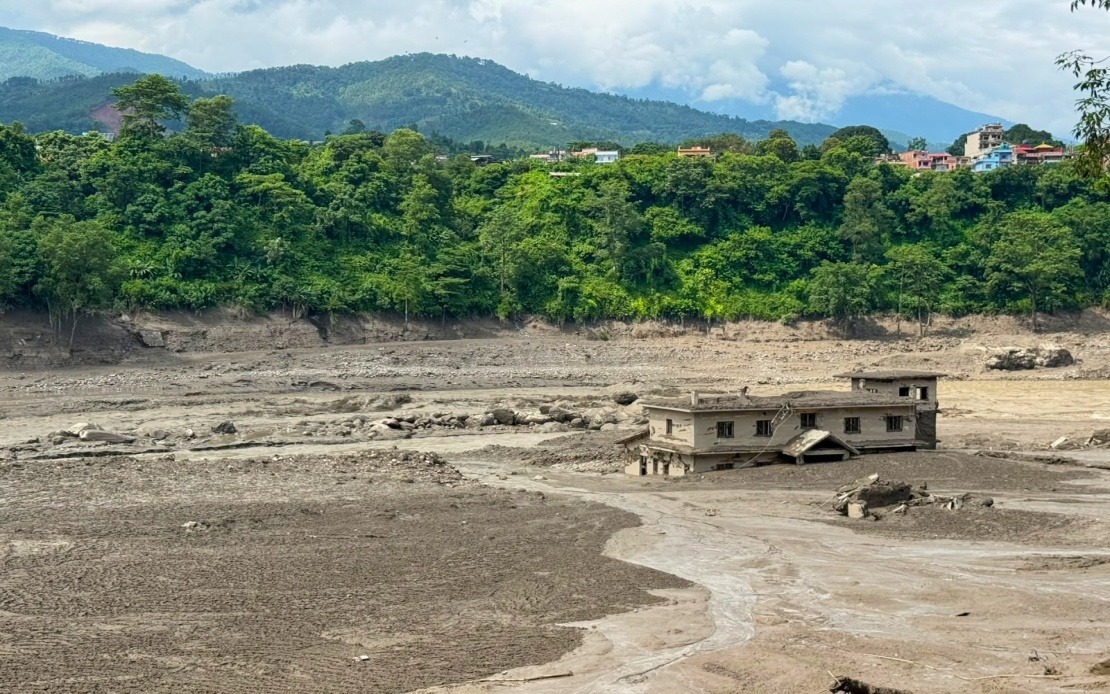
Prime Minister Datuk Seri Anwar Ibrahim has expressed deep concern over the devastating flash floods that struck Nepal's Rasuwa district, particularly regarding the fate of 54 Malaysian nationals with whom contact has not yet been established. Speaking through an official statement, the Prime Minister emphasised that locating these citizens and determining their safety status represents an urgent priority for the federal government.
The Malaysian Embassy in Kathmandu has been designated as the primary coordination hub for response efforts, working in close collaboration with Nepalese government authorities and local emergency services operating in the affected region. In a significant expansion of diplomatic resources, Malaysia has also deployed officers from its High Commission in Dhaka, Bangladesh, to strengthen operational capabilities and enhance real-time coordination between regional missions.
The natural disaster that unfolded in the Nepal-Tibet border zone resulted from a combination of extreme meteorological conditions and geological instability. Heavy rainfall triggered glacier landslides along the Bhote Koshi River, creating the destructive flash floods that swept through settlements and infrastructure in the Rasuwa district. The cascading environmental failures have created a humanitarian crisis characterised by severe logistical challenges for both response and relief efforts.
Communication infrastructure in the disaster zone has been severely compromised, with network disruptions limiting the ability of authorities and affected persons to exchange vital information. The primary transportation corridor connecting Rasuwa district to Kathmandu has been severed, effectively isolating the region and complicating the movement of rescue personnel, medical supplies, and displaced individuals. This infrastructure breakdown has intensified the difficulty of establishing contact with Malaysian nationals in the area and assessing their circumstances.
The Malaysian government's multi-layered diplomatic approach reflects the complexity of coordinating international humanitarian response across borders during an active crisis. By mobilising resources from multiple diplomatic outposts rather than relying solely on the Kathmandu embassy, Malaysia is attempting to overcome communication breakdowns and operational delays that typically accompany natural disasters in remote border regions. This strategy demonstrates learning from previous cross-border emergencies in Asia.
Prime Minister Anwar has directed the Foreign Ministry to maintain continuous monitoring of developments as they emerge from Nepal. The government has committed to mobilising comprehensive resources to prioritise the safety and welfare of Malaysian citizens affected by the disaster. This commitment extends beyond immediate search operations to include longer-term support and consular assistance once contact is established and the scope of impact becomes clearer.
For Malaysian citizens and their families awaiting information about loved ones in the disaster zone, the government's acknowledgment of the situation represents both transparency and a clear statement of commitment. The appeal for public prayer reflects the gravity of circumstances and the humanitarian dimension of the response, positioning this as a national concern transcending routine diplomatic operations.
The Rasuwa district flooding illustrates the vulnerability of border communities to rapid-onset natural disasters that overwhelm local response capacity. Malaysia's proactive diplomatic engagement with Nepalese authorities and coordination with Bangladesh-based missions underscores the importance of regional cooperation mechanisms during humanitarian emergencies. Such disasters frequently test the efficiency of ASEAN frameworks and bilateral relationships that become crucial when nationals require urgent assistance abroad.
The incident raises important considerations for Malaysian travellers and expatriates across South Asia, where monsoon seasons and high-altitude glacial environments create distinct disaster risks. For the Foreign Ministry and regional embassies, this emergency will likely inform updated protocols for rapid response, emergency communication, and coordination with host-country authorities during large-scale humanitarian crises affecting remote areas.
As search and rescue operations continue and communication infrastructure gradually recovers in the affected region, the Malaysian government faces the parallel challenge of providing timely information to families and managing public expectations. The involvement of multiple government agencies and diplomatic missions indicates the seriousness with which this situation is being treated at the highest levels of government. The coming days will determine whether the diplomatic coordination yields successful outcomes in locating and assisting the uncontactable Malaysians.
The disaster underscores broader regional concerns about climate change impacts on glacier-fed river systems and extreme weather patterns across the Hindu Kush-Himalayas. For Malaysia and other Southeast Asian nations, the incident serves as a reminder that citizens travelling or working in these volatile geographical zones face significant risks that demand robust consular support systems and swift governmental response mechanisms.

