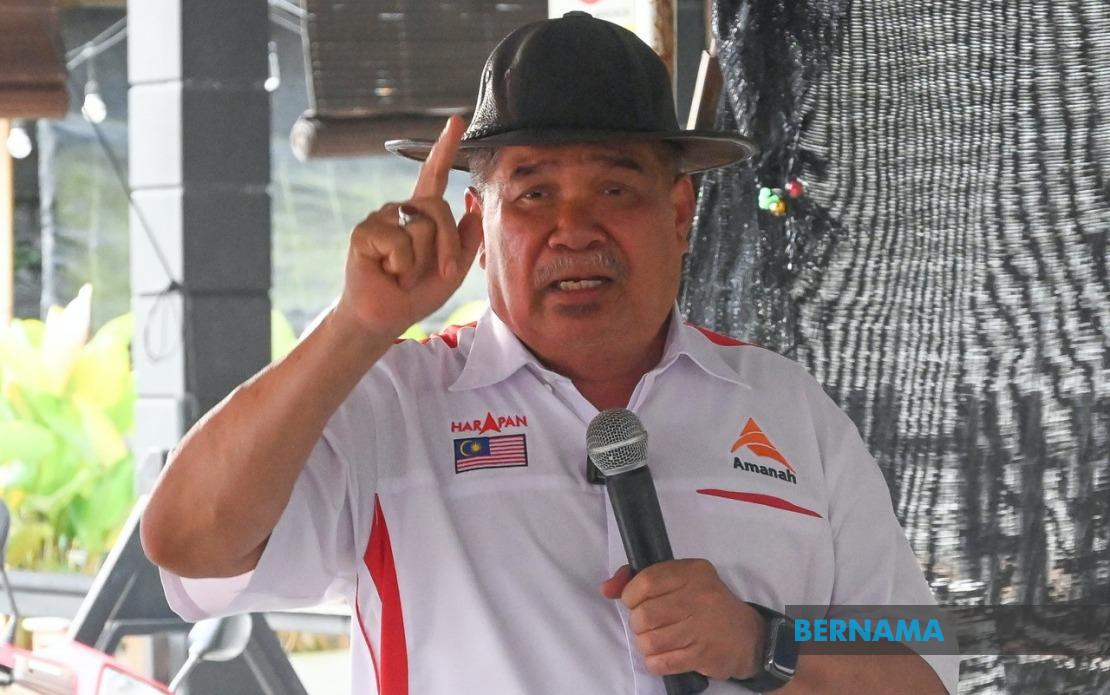
Malaysia's Agriculture and Food Security Minister Datuk Seri Mohamad Sabu has signalled that protracted negotiations over the country's temporary ban on Thai shrimp imports are approaching closure, with officials targeting mid-August for a breakthrough. Speaking in Kota Bharu following his attendance at the Road to MAHA 2026 East Coast Zone programme, Mohamad expressed confidence that discussions would yield a resolution within the specified timeframe, though he offered no additional details on the terms under negotiation or the specific sticking points that have prolonged talks.
The Malaysian government implemented a temporary suspension on five commercially significant shrimp species from Thailand effective June 1, marking a significant intervention in a trade relationship that spans decades. The suspended species encompass Penaeus esculentus, commonly known as brown tiger shrimp; Fenneropenaeus merguiensis or banana shrimp; Penaeus vannamei, the widely farmed white shrimp; Penaeus monodon, the premium tiger shrimp; and Penaeus stylirostris, recognised as blue shrimp. This targeted approach suggests the restrictions were crafted to address specific biosecurity or quality assurance concerns rather than constituting a blanket embargo on all crustacean imports from the neighbouring country.
The suspension exemplifies Malaysia's evolving approach to fishery product regulation, reflecting heightened vigilance regarding imported aquaculture goods. Thailand remains one of Southeast Asia's largest shrimp producers and exporters, with substantial supply chains connecting to Malaysian distributors, retailers, and food manufacturers. Any prolonged disruption carries implications beyond bilateral relations, potentially affecting regional supply chains and consumer prices across Malaysia and beyond. The apparent urgency in resolving the matter within weeks suggests recognition that extended disruptions impose genuine costs on downstream industries and consumers.
Beyond immediate trade concerns, Mohamad used his remarks to articulate a broader strategic vision for Malaysian agriculture, positioning the upcoming MAHA 2026 expo as a platform for modernisation and international collaboration. The minister stressed that the biennial showcase would emphasise innovation and technological advancement, anchored by participation from nations across multiple continents. This geographic diversity—encompassing African states, Central Asian republics, and established agricultural powers including China, Britain, Japan, and the United States—reflects a deliberate effort to position Malaysia as a nexus for global agricultural knowledge exchange.
Food security, Mohamad underscored, constitutes a paramount concern for Malaysian policymakers, particularly given the country's substantial dependence on imported foodstuffs to meet domestic consumption demands. This vulnerability became acutely apparent during the Covid-19 pandemic, when supply chain disruptions highlighted the risks inherent in relying heavily on external sources. By promoting technology transfer and industry partnerships through MAHA 2026, the government aims to progressively enhance domestic production capacity while maintaining exposure to cutting-edge practices and innovations developed internationally.
The Road to MAHA 2026 regional roadshow, which concluded in Kota Bharu, represents the final component of a series designed to build awareness and enthusiasm across Malaysia's agricultural constituencies. Earlier instalments unfolded in Kedah, Selangor, Melaka, and Labuan, ensuring geographic coverage spanning peninsular and East Malaysian territories. This comprehensive approach reflects recognition that agricultural communities remain dispersed across diverse geographical and agro-climatic zones, each with distinct priorities and production profiles.
Maha 2026, scheduled to run from August 28 through September 6 at the Malay-sia International Expo and Trade Centre in Serdang, carries ambitious targets. Officials project attracting approximately five million visitors—a figure matching attendance at the previous edition two years earlier—generating RM58 million in direct sales, and catalysing RM8 billion in investment commitments from participating exhibitors and industry partners. The inclusion of National Day celebrations within the event's schedule is calculated to amplify visitor numbers by capitalising on patriotic sentiment and holiday periods.
These projections underscore MAHA's significance as more than a mere agricultural trade fair; it functions as a statement of governmental commitment to sectoral modernisation and as a barometer of industry confidence. The ambitious investment target reflects expectations that international participants perceive Malaysia as an attractive investment destination for agribusiness ventures, whether in high-value horticulture, precision farming infrastructure, or value-added food processing facilities.
The minister expressed gratitude to state and federal government agencies alongside strategic partners who contributed to the success of the roadshow programme. This collaborative acknowledgment highlights the necessity of coordinated effort across multiple institutional levels to advance agricultural policy objectives. State governments, particularly in rural regions, remain essential stakeholders in implementation and policy diffusion, whilst strategic partners—likely encompassing industry associations, research institutions, and technology providers—furnish subject expertise and operational capacity.
The timing of progress on the Thai shrimp issue, coinciding with intensified promotion of MAHA 2026, carries symbolic weight. Resolving trade frictions demonstrates Malaysia's capacity for constructive engagement with neighbours whilst simultaneously positioning the country as a sophisticated operator in international commerce. This duality—firmness on regulatory standards coupled with pragmatism in dispute resolution—reinforces Malaysia's positioning as a reliable and predictable trading partner within the region.
As negotiations continue toward mid-August, stakeholders across Malaysia's seafood sector remain attentive to developments. Resolution would presumably restore Thai shrimp supplies to Malaysian markets, stabilising prices and ensuring continuity of supply for food manufacturers, hospitality businesses, and household consumers. Conversely, failure to achieve accord could necessitate escalated restrictions or retaliatory measures, introducing uncertainty into bilateral commercial relations during an already challenging period for global agriculture and trade.

