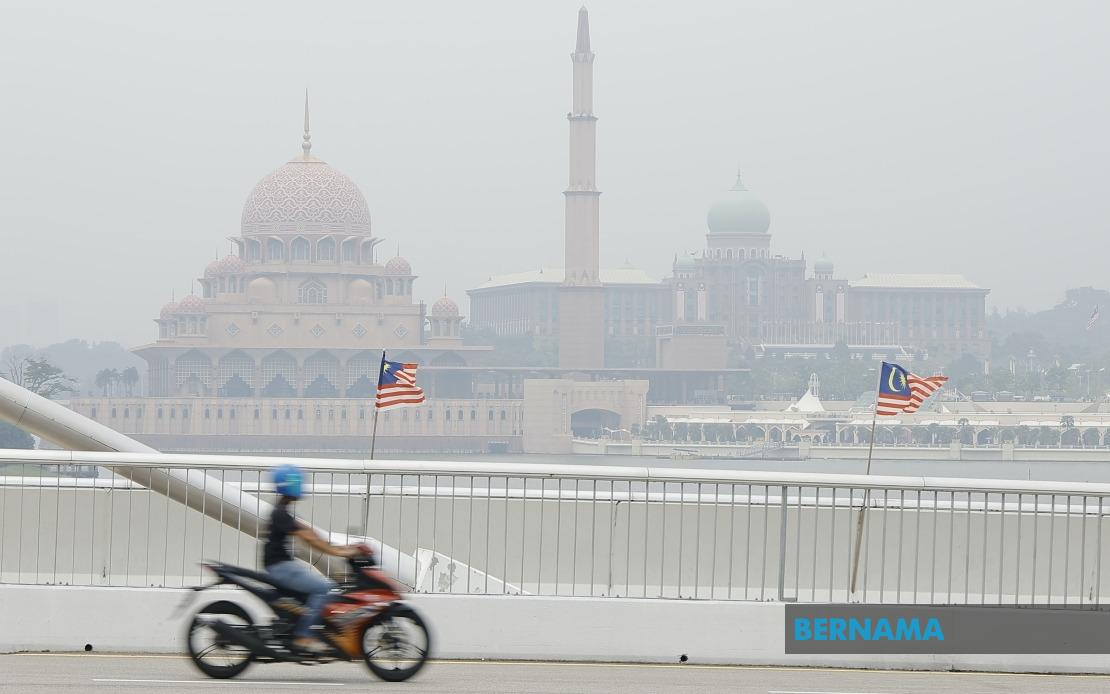
Malaysia must transition from managing haze crises after they occur to forecasting and preventing them before they threaten public health, according to a leading environmental researcher. Associate Professor Dr Azman Azid from Universiti Sultan Zainal Abidin's Besut Campus argues that the country possesses sufficient data to build a sophisticated early warning system but has yet to integrate these resources effectively. The appeal comes as Southeast Asia grapples with recurring transboundary air pollution episodes that strain healthcare systems and disrupt daily life across the region.
The case for immediate action is evident in recent health data. Malaysia's Ministry of Health documented a startling 259 per cent surge in asthma cases during a two-week period in late August, with patient numbers climbing from 61 to 219 cases. This spike reflects the concerning pattern that respiratory illnesses escalate rapidly as air quality deteriorates, yet current monitoring systems detect problems only after pollution has already accumulated in the atmosphere. The disconnect between API readings and actual health impacts underscores why existing approaches fall short of adequate public protection.
Azman emphasises that Malaysia already possesses the foundational tools required to build a predictive haze forecasting system comparable to established weather prediction models. The country maintains hotspot detection networks, satellite imagery capabilities, meteorological monitoring stations, and air quality measurement infrastructure. What remains missing is the coordinated integration of these disparate systems into a unified forecasting platform accessible to ordinary Malaysians. The researcher suggests that combining hotspot data to pinpoint fire locations, satellite imagery to track smoke plumes, meteorological information to assess wind patterns, and atmospheric trajectory models could detect dangerous PM2.5 concentrations 48 to 72 hours in advance of actual exposure.
Such lead time would fundamentally alter how hospitals, clinics, and schools respond to emerging haze threats. Medical facilities could elevate preparedness protocols before patient surges overwhelm emergency departments. Educational institutions could reschedule outdoor activities to safer days rather than exposing students to hazardous air quality. Public transport authorities could adjust operations, and vulnerable populations could take preventive medication before pollution peaks. The economic and health benefits of even a three-day advance warning would extend far beyond simple inconvenience reduction, potentially preventing severe respiratory crises and hospitalisation spikes that strain medical resources.
The proposed system need not replace the Air Pollutant Index but rather complement it. Azman points out that the API measures current conditions, serving as a rearview mirror showing what has already occurred. A forecasting system would function as a windshield, enabling authorities to observe approaching problems and mobilise countermeasures before widespread exposure. This distinction between reactive monitoring and proactive forecasting reflects fundamental differences in crisis management philosophy. Nations routinely forecast typhoons, earthquakes, and floods before they strike; air quality deserves equivalent foresight.
Beyond technology, Malaysia must strengthen enforcement of regulations governing open burning, agricultural clearing, and peatland management. These policy dimensions remain critical because even the most advanced forecasting system cannot protect Malaysians if neighbouring countries continue uncontrolled burning practices. The transboundary nature of regional haze means that smoke from Indonesian and other neighbouring fires regularly penetrates Malaysian airspace regardless of domestic precautions. This geographical reality necessitates coordinated regional action through ASEAN mechanisms beyond simple data sharing.
Current ASEAN cooperation on haze remains limited to reactive information exchange and crisis response protocols. Azman advocates for substantially deeper collaboration including mapping fire sources at regional level, jointly developing smoke trajectory forecasts, facilitating technology transfer among member states, establishing rapid firefighting assistance arrangements, and creating binding response mechanisms. These coordinated approaches would enable regional countries to suppress fires before they generate transboundary pollution, rather than managing the inevitable haze that results from uncontrolled burning. The principle is straightforward: prevent fires in the first place rather than forecast their smoke after ignition.
The integration of public health data represents a crucial innovation in haze management that Malaysian authorities have insufficiently developed. Most countries focus narrowly on atmospheric measurements, overlooking the epidemiological patterns that reveal where pollution concentrates and how populations experience harm. Malaysia's comprehensive healthcare system possesses valuable information about which regions experience respiratory disease surges, which patient demographics face greatest risk, and how health system capacity varies geographically. Linking this health intelligence to atmospheric models would enable authorities to direct protective resources toward greatest need rather than treating haze as undifferentiated national problem.
Peatland management emerges as a critical variable in long-term haze prevention. These wetland ecosystems, found extensively in Indonesia and Malaysian Borneo, burn with extreme intensity when deliberately cleared for agriculture or timber extraction, generating massive smoke plumes that persist for weeks. Restoration and protection of peatland ecosystems addresses the root cause of severe haze episodes rather than merely treating symptoms. Investment in sustainable land use practices and enforcement against peatland destruction would yield benefits extending beyond air quality to carbon sequestration, biodiversity protection, and regional climate stability.
For Malaysian policymakers, the challenge lies in translating expert recommendations into institutional action. Developing forecasting systems requires sustained funding, interdisciplinary collaboration among meteorologists, epidemiologists, and policy specialists, and commitment to long-term research infrastructure. These investments demand political will to prioritise prevention over crisis response, particularly when benefits accrue gradually rather than producing immediate visible results. However, the alternative—continuing reactive management as respiratory disease burdens mount and economic disruption accelerates—carries far higher costs in human suffering and economic loss.
Regional cooperation remains the ultimate determinant of Malaysian haze outcomes. No matter how sophisticated domestic forecasting becomes, transboundary pollution will continue afflicting Malaysian air unless regional partners suppress fires at source. This reality positions Malaysia as an advocate within ASEAN for collectively stronger prevention measures, technology sharing, and binding enforcement mechanisms. The irony facing Southeast Asia is that individual countries cannot solve a fundamentally regional problem through purely domestic measures, yet collective action remains fragmented by competing economic interests and limited institutional frameworks.
The path forward requires Malaysia to initiate substantive moves toward proactive management. Establishing a dedicated haze forecasting agency, integrating available data systems, training personnel, and investing in real-time public communication platforms would demonstrate commitment to prevention. Simultaneously, Malaysia could champion enhanced ASEAN cooperation mechanisms that move beyond information sharing toward coordinated fire suppression and sustainable land use policies. These complementary strategies—technological innovation domestically and diplomatic leadership regionally—offer Malaysia opportunity to transition from hapless victim of transboundary pollution toward architect of regional solutions that protect its citizens and those across Southeast Asia.

