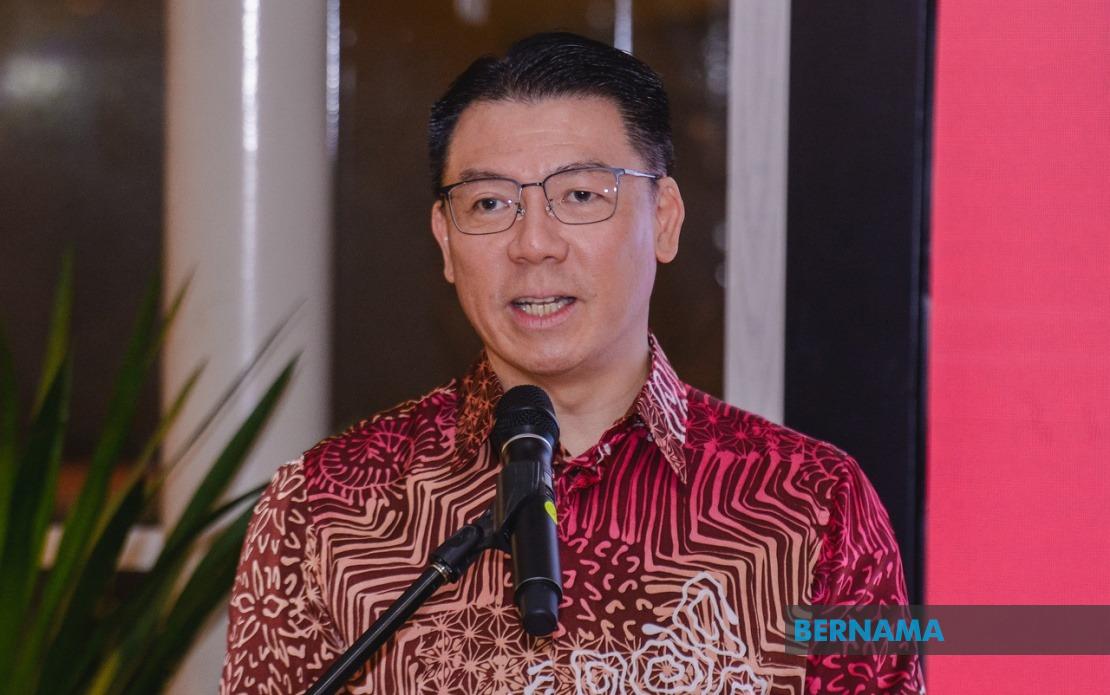
Housing and Local Government Minister Nga Kor Ming has unveiled an ambitious housing initiative that will see a 10 per cent discount extended to home purchasers during the ASEAN Real Estate Conference 2026, positioning Malaysia as a leader in making property ownership more accessible across the region. The conference, scheduled to take place at the Malaysia International Trade and Exhibition Centre from July 29 to August 1, represents a significant showcase for the nation's property sector while simultaneously addressing one of the most pressing concerns for Malaysian families—the mounting costs of home ownership. By reducing the effective purchase price through this incentive, the government aims to ease what is often the most challenging hurdle for first-time buyers: accumulating the 10 per cent down payment mandated under the Sale and Purchase Agreement.
The initiative emerged from a strategic partnership between the Ministry of Housing and Local Government and the Real Estate and Housing Developers' Association Malaysia, demonstrating how public and private sector collaboration can translate policy ambitions into tangible relief for consumers. Rather than simply subsidising homebuyers directly through government coffers, this approach leverages developer participation to share the burden of affordability. Nga explained that the discount specifically targets reducing the financial strain associated with deposit requirements, which represent a genuine barrier to market entry for many Malaysians seeking to transition from rental arrangements to property ownership. This recognition of structural affordability challenges reflects a deeper understanding that discounts alone cannot solve housing crises—they must be coupled with deliberate policy measures addressing systemic cost drivers.
Prime Minister Datuk Seri Anwar Ibrahim is scheduled to officiate the four-day conference, which will combine multiple activities designed to stimulate both investment and transaction volume. The event structure incorporates forums addressing industry challenges, business matching sessions connecting developers with investors and buyers, and a comprehensive exhibition that organisers project will generate RM1.5 billion in property transactions. Such transaction volumes would represent a substantial injection of activity into Malaysia's residential and commercial real estate markets, potentially generating knock-on economic effects through construction employment, materials procurement, and related services. The scale of this projection underscores the strategic importance the government places on using sector conferences as catalysts for economic activity beyond the immediate event period.
Concurrently, the ministry has rolled out the Rahmah Cement initiative, which addresses a complementary dimension of housing affordability by tackling the supply-side cost pressures facing developers. By allocating 1.6 million metric tonnes of cement to developers constructing affordable housing units, the government directly intervenes in mitigating rising construction material costs that typically cascade into higher final property prices. This two-pronged approach—simultaneously reducing buyer costs through purchase discounts while reducing developer costs through material subsidies—demonstrates sophisticated policy architecture aimed at squeezing affordability challenges from multiple angles. Nga articulated the underlying vision through the ministry's Rumahku, Syurgaku slogan, emphasising that affordable housing is not merely a statistical goal but a fundamental right that should enable all Malaysians to access quality residential accommodation without sacrificing financial security.
Malaysia's international competitive standing in property development received considerable validation through the recent FIABCI World Prix d'Excellence Awards 2026, where the nation emerged as the overall champion with 14 awards spanning eight gold and six silver medals across diverse categories. This recognition carries particular significance for Southeast Asian markets, where Malaysian developers increasingly compete for investment and talent. Gold medal winners included prominent developments such as Park Regent @ Desa ParkCity in the high-rise residential category, The Mansions @ ParkCity Hanoi in low-rise residential, Merdeka 118 for office and sustainable development credentials, Elmina Lakeside Mall for retail excellence, and Sunway Velocity Two in mixed-use development. These accolades reflect not merely aesthetic or financial success but recognition from international panels evaluating sustainability practices, design innovation, and responsible development standards that increasingly influence global institutional investment decisions.
The cumulative achievement represents a trajectory of consistent excellence, with Malaysian developers having accumulated 135 gold medals since the FIABCI awards programme commenced in 1992. This historical performance positions Malaysia within the upper echelon of global property development, validating the quality standards and innovation capacity embedded within the country's industry. Nga underscored the significance of this positioning for Malaysia's international credibility, noting that such achievements transmit powerful signals to global investors and institutions evaluating where to direct capital flows. In an era where emerging markets compete intensely for foreign direct investment, particularly in high-value sectors like premium residential and commercial real estate, international awards serve as third-party validation that reduces investor perception of risk and uncertainty.
The success of Malaysian developers extends beyond domestic borders into regional and global markets, with companies such as ParkCity Group establishing operations in Vietnam, SP Setia expanding into Australia, OSK Property developing projects in Melbourne, and EcoWorld pursuing opportunities in London. This internationalisation represents both a validation of local expertise and a strategic diversification that reduces reliance on domestic market cycles. For a nation where property development constitutes a significant economic sector and employment source, the ability of local companies to replicate success internationally ensures sustained competitive advantage and creates pathways for knowledge transfer and skill development. The government has explicitly embraced this internationalisation as a policy objective, recognising that competitive positioning in regional and global markets strengthens the domestic industry through retained earnings, reputation enhancement, and talent attraction.
Aligning with the AREC 2026 conference, Prime Minister Anwar Ibrahim is scheduled to launch the National Housing Policy on July 30, indicating that the government views this period as a pivotal moment for articulating comprehensive housing strategy. The policy launch represents an opportunity to establish long-term frameworks extending beyond the immediate purchase discount initiative, potentially addressing issues including land availability, regulatory streamlining, financing accessibility, and sustainability standards. For Malaysian homebuyers and property professionals alike, the convergence of multiple policy initiatives during this conference period suggests that the government is attempting to create momentum for structural improvements in housing markets rather than merely implementing episodic interventions.
For Southeast Asian property investors and developers observing Malaysia's strategic positioning, these initiatives signal a commitment to maintaining competitive advantage in the region's real estate sector. The combination of affordability initiatives, international recognition, and policy coherence creates an environment where both domestic and foreign investors perceive Malaysia as a sophisticated market with professional standards and government support for sector development. This positioning carries particular relevance for ASEAN integration, where the region's property markets increasingly interconnect through cross-border investment, developer expansion, and institutional capital flows that recognise comparative advantages across different markets and submarkets.

