Malaysia is mobilising its diplomatic apparatus to navigate compensation negotiations stemming from the cancellation of a Naval Strike Missile system acquisition deal with Norway's Kongsberg Defence & Aerospace AS, signalling a measured approach that balances financial recovery with international relations. Defence Minister Datuk Seri Mohamed Khaled Nordin disclosed on June 25 that both the Defence and Foreign Ministries have formally communicated Malaysia's position and next steps to the Norwegian government, establishing a structured framework for resolving what promises to be a complex contractual dispute.
The strategic use of diplomatic channels reflects a broader recognition that defence procurement cancellations often require multilateral engagement to achieve satisfactory outcomes. By formally notifying Norway's government, Malaysia seeks to leverage bilateral relations and position Oslo as a facilitator and mediator between the Defence Ministry and Kongsberg Defence & Aerospace AS. This approach acknowledges that defence contractors typically operate under their governments' oversight, particularly in countries with stringent export control regimes like Norway, making official state-to-state dialogue essential for meaningful progress.
Morgan Khaled articulated the government's determination to resolve the matter comprehensively, emphasising that advance notifications were issued to establish clear expectations and timelines. The Defence Ministry has specifically requested that Norway's Foreign Ministry facilitate and mediate discussions, creating a diplomatic framework that encourages the contractor to engage seriously with compensation discussions. This multi-layered engagement suggests that Malaysia recognises the complexities involved in defence sector disputes and the importance of maintaining positive bilateral relations even whilst pursuing financial claims.
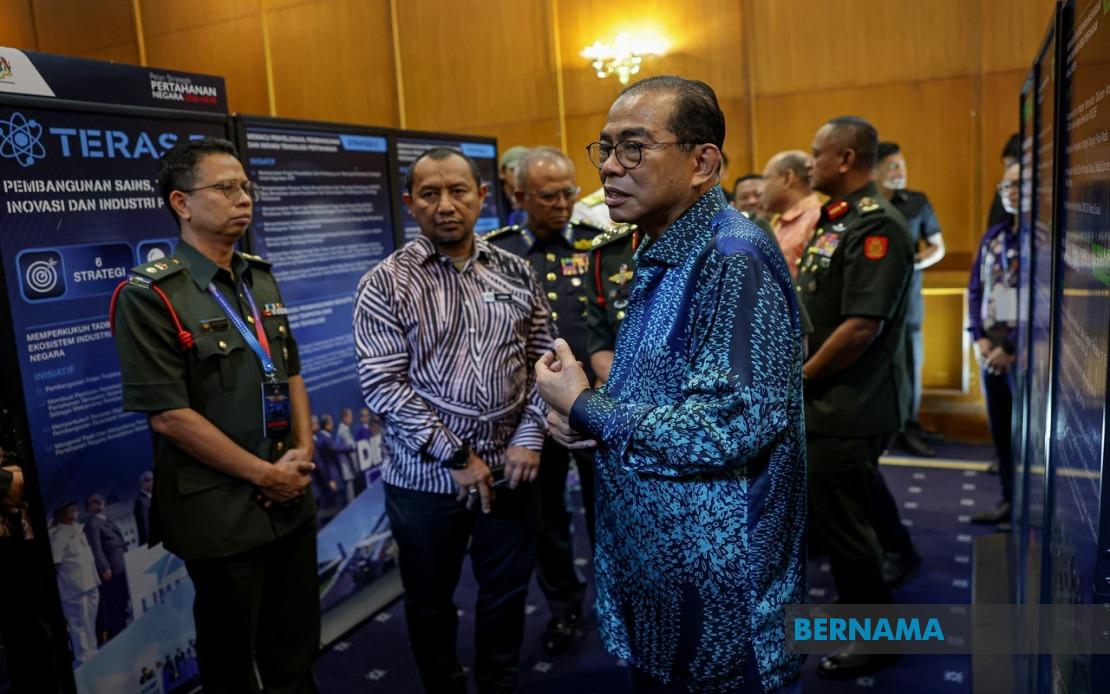
The announcement came during the launch of the National Defence Strategic Plan and Defence Capability Blueprint 2026-2030, an occasion attended by Chief of Defence Force General Tan Sri Malek Razak Sulaiman. The timing underscores government commitment to defence modernisation despite the setback with the Norwegian missile system, indicating that Malaysia remains focused on strengthening its maritime capabilities through alternative procurement avenues. The parallel unveiling of long-term defence planning demonstrates that the administration views the NSM cancellation not as a derailment of strategic ambitions but rather as an obstacle requiring administrative resolution within a broader defence transformation agenda.
The Parliamentary Public Accounts Committee has inserted itself into the deliberations, having received a comprehensive briefing from the Defence Ministry on the compensation claim dynamics. This parliamentary oversight represents an important accountability mechanism, ensuring that the executive branch pursues financial recovery whilst maintaining stringent fiscal discipline. The PAC subsequently advocated for strengthened mitigation and diplomatic strategies designed to secure an equitable resolution whilst preserving Malaysia's budgetary integrity and sovereignty. Such parliamentary involvement reflects the significance of the financial exposure involved and the public interest in ensuring taxpayer funds are protected through rigorous negotiation processes.
The cancellation of the NSM contract represents a notable disruption to Malaysia's naval modernisation trajectory, as the Kongsberg system would have enhanced the country's anti-ship capabilities and strengthened deterrence in the strategically vital South China Sea. The acquisition was positioned as a critical element of naval capability enhancement, making the termination particularly consequential for defence planning. Understanding the rationale for the cancellation remains crucial for assessing the legitimacy of Malaysia's compensation claim and the likely receptiveness of Norwegian authorities and the contractor to settlement discussions.
From a regional perspective, Malaysia's measured diplomatic approach carries implications for Southeast Asian defence procurement strategies more broadly. The incident illustrates the vulnerabilities associated with international defence contracts and the importance of robust contractual protections, warranty clauses, and dispute resolution mechanisms. Neighbouring countries monitoring this situation will likely draw conclusions about risk management in defence acquisitions and the practical effectiveness of diplomatic channels in resolving such disagreements. Malaysia's willingness to engage through formal state channels rather than pursuing confrontational tactics may serve as a template for regional nations facing similar contractual complications.
The involvement of the Foreign Ministry signals recognition that compensation negotiations transcend technical or commercial issues and require nuanced diplomatic handling to avoid broader damage to bilateral relations. Norway, as a NATO member and significant defence exporter, has established reputational interests in demonstrating fair dealing with international clients. This dynamic potentially works in Malaysia's favour, as the Norwegian government may encourage Kongsberg Defence & Aerospace to engage constructively in settlement discussions to preserve Norway's standing as a reliable defence partner.
The government's commitment to resolving the matter efficiently suggests that protracted litigation through international arbitration is being avoided in favour of negotiated settlement. This preference reflects the practical reality that defence procurement disputes often consume significant resources and time when channelled through formal legal mechanisms. By engaging through diplomatic channels initially, Malaysia maximises the prospect of achieving faster resolution whilst preserving the option of pursuing more adversarial approaches should negotiations stall. The structured notification process established with Norway creates documented evidence of Malaysia's good faith efforts, which may prove valuable should the matter subsequently require international arbitration or litigation.

