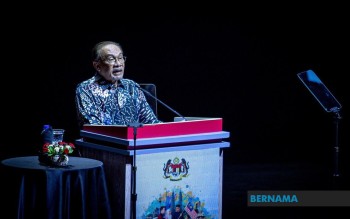
The Malaysian government has significantly eased compliance requirements for small businesses by doubling the e-invoicing implementation threshold from RM1 million to RM3 million, a policy shift announced by Prime Minister Datuk Seri Anwar Ibrahim during the 2026 National Day Prime Minister's Address and taking effect from September 1. The move immediately exempts more than 1.1 million enterprises from mandatory digital invoice submission, representing a substantial relief for the country's substantial micro and small business sector that forms the backbone of Malaysia's economy.
The Inland Revenue Board (LHDN) framed the threshold increase as part of the MADANI government's broader commitment to reducing operational burdens on small enterprises, recognizing that compliance costs and administrative complexity can disproportionately impact businesses with limited resources. By raising the exemption ceiling, the government acknowledges that many MSMEs operate with constrained budgets, smaller IT teams, and competing priorities that make comprehensive digital system implementation challenging. This pragmatic approach balances the government's digitalisation agenda with the practical realities facing hundreds of thousands of Malaysian business operators who may lack the technical infrastructure or financial capacity to transition rapidly to digital systems.
The exemption threshold adjustment reflects growing recognition across Southeast Asia that blanket digitalisation mandates can inadvertently disadvantage smaller competitors and informal sector participants. Countries across the region have grappled with similar tensions, recognizing that while e-invoicing and digital record-keeping ultimately benefit tax compliance and business transparency, the transition period requires careful calibration to avoid creating obstacles for legitimate enterprises. Malaysia's approach provides a grace period for smaller operators while maintaining momentum towards a more digitally integrated tax and business ecosystem over the medium term.
Despite the broader exemption, the LHDN has emphasized that voluntary adoption of e-invoicing remains strongly encouraged, particularly for businesses approaching the RM3 million threshold or those seeking competitive advantages through digital modernization. The government recognizes that early adopters gain operational efficiencies through automated invoice generation, streamlined record-keeping, and reduced administrative overhead. By framing e-invoicing as an optional pathway to business improvement rather than a purely compliance obligation, the LHDN attempts to encourage organic adoption among MSMEs that recognize tangible benefits, rather than relying solely on regulatory enforcement.
Since the e-invoicing system launched on August 1, 2024, the programme has achieved substantial uptake despite the mandatory compliance deadline applying only to larger enterprises. The LHDN reports that 265,379 taxpayers had submitted electronic invoices within the first month of implementation, collectively generating more than 1.84 billion e-invoices. This early adoption rate suggests genuine acceptance among the Malaysian business community of digital invoice systems, potentially driven by recognition that proper electronic record-keeping serves multiple interests including tax transparency, audit efficiency, and business operational improvement. The relatively strong early participation indicates that regulatory compliance alone does not fully explain the shift towards e-invoicing, with many enterprises recognizing genuine efficiency gains.
The LHDN's support infrastructure for e-invoicing implementation has expanded substantially, reflecting the agency's commitment to ensuring businesses can successfully navigate the transition. The MyInvois Portal, MyInvois application, and MyInvois e-POS system provide multiple entry points for businesses with varying technical sophistication and operational structures. This multi-channel approach recognizes that Malaysian MSMEs operate across diverse industries and business models, from traditional retail and food service through to professional services and manufacturing, each requiring tailored guidance and technical support. The investment in education programmes and hand-holding support mechanisms represents a significant resource commitment from tax authorities to facilitate rather than simply mandate compliance.
The threshold adjustment also provides strategic breathing room for businesses affected by broader economic pressures, including inflationary cost pressures, supply chain disruptions, and evolving consumer demand patterns that have impacted revenue growth. For many MSMEs, the distinction between RM1 million and RM3 million in annual turnover can determine whether a business remains viable or requires forced closure or restructuring. By extending the exemption threshold, the government effectively preserves employment and business continuity for enterprises operating within this crucial revenue band, recognizing that tax compliance obligations must be calibrated against genuine capacity to comply without jeopardizing business viability.
The e-invoicing programme sits within Malaysia's broader digital economy and financial services modernization agenda, aligning with regional trends toward cashless transactions, digital payments, and integrated business systems. Southeast Asian economies increasingly recognize that comprehensive digitalization of business operations and tax administration creates positive externalities including improved formal sector compliance, reduced tax gaps, and better statistical data for economic planning. Malaysia's phased implementation approach, with graduated thresholds, allows the country to build institutional capacity and business readiness while avoiding the disruption that sudden, universal mandates can create.
MSMEs requiring assistance with e-invoicing implementation can access support through multiple channels established by LHDN, including in-person office visits, a dedicated helpdesk accessible at 03-8682 8000, and the MyInvois Live Chat service. Technical enquiries can be directed to dedicated email channels at [email protected], while broader feedback and concerns can be submitted through the MyInvois Customer Feedback Form. This multi-channel support architecture reflects the government's recognition that different businesses have varying communication preferences, technical skill levels, and urgency levels regarding compliance assistance.
The threshold adjustment takes effect at a moment when Malaysian businesses face competing pressures around digital transformation, regulatory compliance, and cost management. The RM3 million exemption provides a fixed target for small enterprises to work toward, potentially incentivizing orderly business growth and formalization as companies approach the threshold. For businesses already operating near the RM1 million mark but previously hesitant to embrace e-invoicing, the expanded threshold provides additional runway to prepare systems, train personnel, and plan implementation without immediate compliance urgency. This approach effectively recognizes that business readiness for major system changes requires not just regulatory mandates but also opportunity for gradual organizational adjustment.

