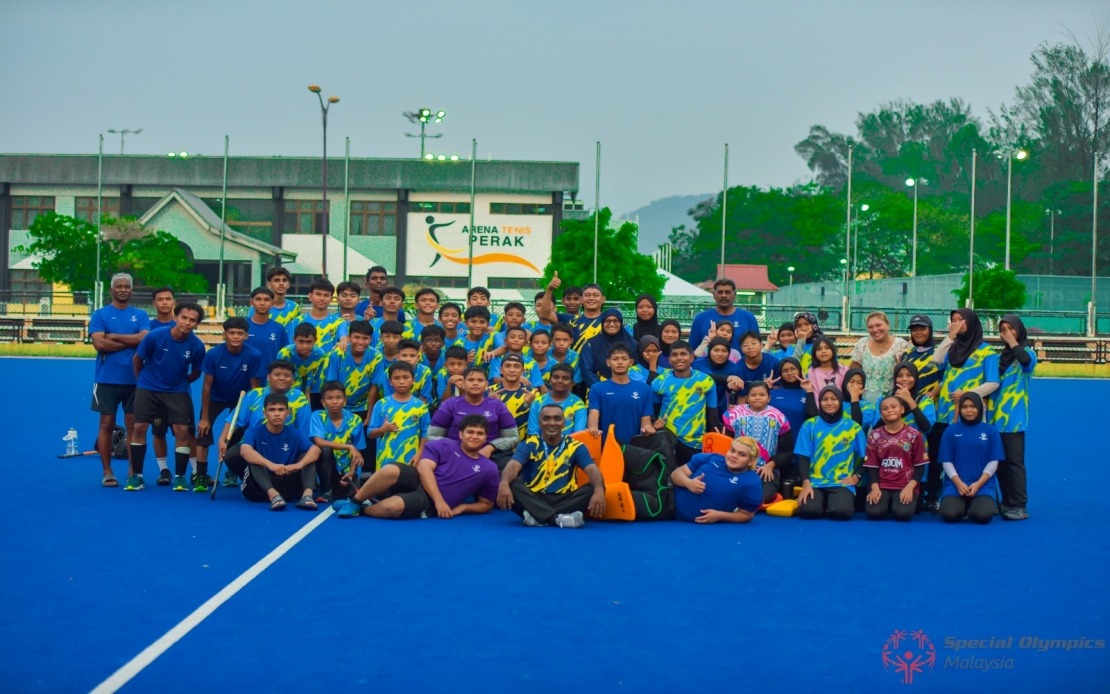
Malaysia has confirmed its participation in a historic sporting event with the announcement of a 10-member delegation selected to compete at the inaugural FIH Para Hockey ID World Cup 2026, scheduled to take place across Belgium and the Netherlands from August 20 to 25. The team comprises six male athletes and four female competitors, assembled through a rigorous selection process that commenced in December 2025 and emphasised performance metrics, training commitment, and disciplinary standards.
According to Shanker Retinam, assistant head of delegation, the athlete selection represented the culmination of months of intensive evaluation and preparation. The chosen players have participated in monthly centralised training sessions held in Ipoh, building fitness and tactical cohesion ahead of what promises to be a demanding international tournament. The structured training regimen reflects the seriousness with which Malaysian sport authorities regard this inaugural world championship, positioning the country to make a competitive showing against global counterparts.
The tournament itself carries considerable significance within the international para sports calendar. It will gather the world's 16 elite para hockey teams competing in the intellectual disability category, providing Malaysian athletes with the opportunity to demonstrate their capabilities on a truly global stage. For many squad members, this represents the pinnacle of competitive opportunity within their sport, offering exposure to the highest standards of international play and potential pathways for future development and recognition.
What amplifies the prestige of this particular championship is its positioning alongside the Men's and Women's Hockey World Cups at shared venues across the two host nations. This parallel scheduling creates an unprecedented convergence of para and elite hockey competition within the same geographic footprint and timeframe. For Malaysia, hosting competitive para athletes at the same facilities as international hockey's elite represents a powerful statement about the country's commitment to inclusive sporting development and recognition of athlete excellence across all ability categories.
Malaysia's competitive pathway has been structured methodically, with the national squad assigned to Pool B alongside seven other participating nations. The grouping includes the Netherlands, Argentina, England, Spain, India, Chile, and Bulgaria, representing a diverse mix of competitive strength and geographical representation. The pool composition ensures meaningful matches against both well-established hockey nations and rising competitors within the para sports sphere, offering Malaysian athletes varied challenges and learning opportunities throughout the tournament phase.
The team's opening fixture pits them against Bulgaria in the Netherlands portion of the competition, providing an initial gauge of competitive standing and an opportunity to establish momentum early in proceedings. This opener carries strategic importance, as a positive start can influence team confidence and momentum in subsequent matches against stronger opponents. The scheduling and venue allocation demonstrate the tournament organisers' commitment to creating a balanced competitive structure for all participating nations.
Logistically, the Malaysian contingent is scheduled to depart for Europe on August 17, affording the team a three-day window for travel, acclimatisation, and final preparations before competition commences. This timeline reflects standard practice in international team sports, allowing athletes to recover from the physical demands of long-haul travel and conduct last-minute tactical briefings before opening matches. The departure date provides sufficient buffer for any unforeseen circumstances while maintaining peak physical and mental readiness for competition.
The significance of this participation for Malaysian sport extends beyond immediate tournament outcomes. The intellectual disability category within para hockey remains relatively young in Malaysia's international sporting engagement, and successful performance at a world championship level can catalyse increased investment, coaching development, and grassroots participation. Young athletes observing their national representatives competing at the highest international level frequently experience inspiration to pursue para sports pathways themselves, creating a positive feedback loop for programme expansion and talent identification.
Recognition of the team's significance reaches the highest levels of state administration, with Sultan Nazrin Shah, Sultan of Perak, officiating at a flag-handover ceremony scheduled at the Royal Perak Golf Club. This royal patronage underscores the importance attributed to sporting achievement and reflects the role that state leadership plays in motivating national competitors. Such ceremonial acknowledgement carries psychological weight for athletes, reinforcing that their efforts represent not merely personal achievement but national pride and collective expectation.
For the broader Southeast Asian sporting context, Malaysia's participation in this inaugural championship positions the region within an increasingly professionalised global para sports ecosystem. As regional peers observe Malaysian commitment to para hockey development and international competition, competitive dynamics across neighbouring nations may shift, potentially spurring investment in similar programmes elsewhere in Southeast Asia. The success or visibility achieved by the Malaysian squad could influence how other ASEAN nations prioritise intellectual disability sports within their national sporting hierarchies.
The team's preparation through monthly centralised training in Ipoh represents a significant commitment of resources and personnel coordination, reflecting the structured approach increasingly evident within Malaysian sport administration. Such centralised programmes enable coaches to implement consistent tactical frameworks, monitor athlete development longitudinally, and build team cohesion before international competition. The choice of Ipoh as the training hub likely reflects existing facility infrastructure and coaching expertise within the state, demonstrating how regional sporting capabilities contribute to national team development.
As the August departure approaches, the Malaysian squad carries considerable expectation and goodwill from domestic sporting audiences. The inaugural nature of this world championship means all competing nations share similar status as inaugural participants, eliminating historical tradition or previous tournament precedent from competitive calculations. This presents both opportunity and challenge: Malaysia enters without the burden of defending past performances, yet simultaneously without established benchmarks against which to measure progress and improvement.

