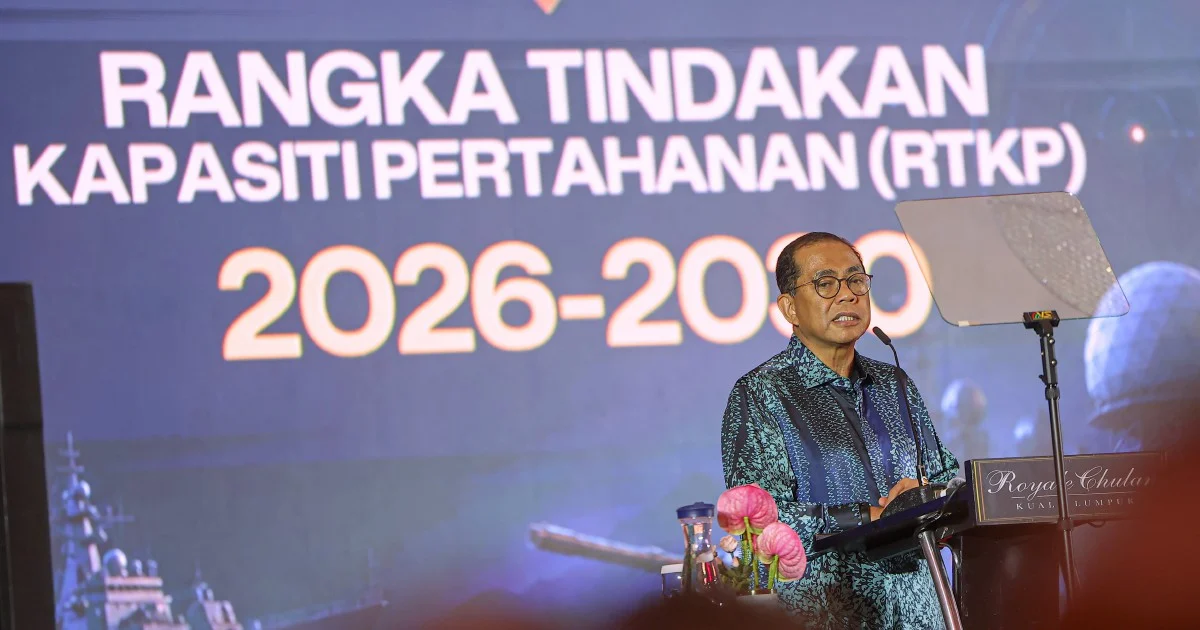
Malaysia's Defence Ministry has signalled its readiness to work through the diplomatic and commercial complications arising from Norway's decision to revoke and cancel a critical missile supply agreement for the Littoral Combat Ship (LCS) project, Defence Minister Datuk Seri Mohamed Khaled Nordin announced. The statement represents an important step toward managing what had become a contentious procurement dispute between the two nations.
The missile contract cancellation has created significant challenges for Malaysia's naval modernisation programme, which has already faced considerable delays and budgetary pressures. The LCS initiative, intended to bolster Malaysia's maritime security capabilities in an increasingly contested region, depends heavily on the integration of advanced weapon systems. Norway's abrupt withdrawal from the arrangement has forced Malaysia to explore alternative solutions while navigating the diplomatic dimensions of the dispute.
For Malaysian defence planners, this development underscores the vulnerabilities inherent in relying on single-source suppliers for critical military components. The LCS programme, which aims to provide the Royal Malaysian Navy with vessels capable of patrolling and protecting Malaysian waters against emerging maritime threats, has already consumed substantial resources and suffered numerous setbacks since its inception. The loss of the Norwegian missile systems compounds these difficulties and raises urgent questions about the project's overall viability and timeline.
The background to this dispute extends into broader concerns about arms sales, strategic partnerships, and the evolving geopolitical landscape in Southeast Asia. Norway, a NATO member with strong democratic governance standards, had initially committed to supplying advanced missiles for the LCS vessels. The cancellation presumably reflects Norwegian policy considerations regarding end-use controls, human rights compliance, or other governance criteria that NATO-aligned nations increasingly apply to defence exports.
For Malaysia, the reversal presents both immediate and long-term complications. The immediate challenge involves finding replacement systems that meet equivalent specifications while managing budget constraints and schedule delays. The longer-term implications touch upon Malaysia's strategic positioning in a region where naval capabilities increasingly determine influence and security standing. Countries like Vietnam, Thailand, and Indonesia are simultaneously upgrading their maritime forces, creating competitive pressure for Malaysia to maintain technological parity.
The government's stated willingness to resolve the matter reflects pragmatic recognition that escalating the dispute serves neither nation's interests. Malaysia must preserve its diplomatic relationship with Norway and Europe more broadly, particularly given the importance of European technology and investment to Malaysian economic and defence sectors. Simultaneously, resolution requires identifying concrete alternative suppliers or negotiating terms that address whatever concerns prompted Norway's original decision.
Despite the setback, Malaysia retains several options for moving forward. The government could pursue negotiations to reverse Norway's position, though this seems unlikely given the apparent firmness of the cancellation. Alternatively, Malaysian authorities may seek comparable missile systems from other allied nations, whether within NATO frameworks or from other defence-industrial partners. South Korea, Israel, and other advanced defence manufacturers produce ship-based missile systems that might substitute for the Norwegian equipment, though integration challenges and cost implications would require careful evaluation.
The LCS programme itself remains vital to Malaysia's defence modernisation strategy, particularly given the strategic importance of the South China Sea and the nation's extensive maritime exclusive economic zone. The vessels are designed to address contemporary maritime security challenges including piracy, smuggling, illegal fishing, and territorial patrol requirements. Without adequate weaponry, the vessels would function at substantially reduced operational capability, undermining the entire programme's strategic rationale.
Khaled's reassurance about the government's preparedness to resolve the situation signals that Malaysia intends to address the crisis through conventional diplomatic and commercial channels rather than through confrontation. This measured approach reflects the complexity of modern defence procurement, where technical specifications, geopolitical considerations, and commercial realities must all be balanced against immediate security requirements. The statement also suggests that Malaysian officials have begun preliminary discussions with potential alternative suppliers or intermediaries to ensure continuity in the LCS programme.
Regional observers will monitor how Malaysia navigates this challenge, as the outcome could influence other nations' defence procurement decisions and their confidence in committing to complex, long-term military projects with allied suppliers. The resolution of the Norwegian missile dispute will likely shape Malaysia's approach to future defence partnerships, potentially encouraging greater diversification of suppliers and reduced dependence on single-source arrangements for critical military capabilities.
Ultimately, the government's commitment to resolving the matter reflects the essential role that military modernisation plays in Malaysia's broader security and economic strategy. The stakes extend beyond any single weapons system or supplier relationship to encompass Malaysia's capacity to protect its interests in a dynamic regional environment where naval capabilities increasingly determine strategic relevance and economic security.

