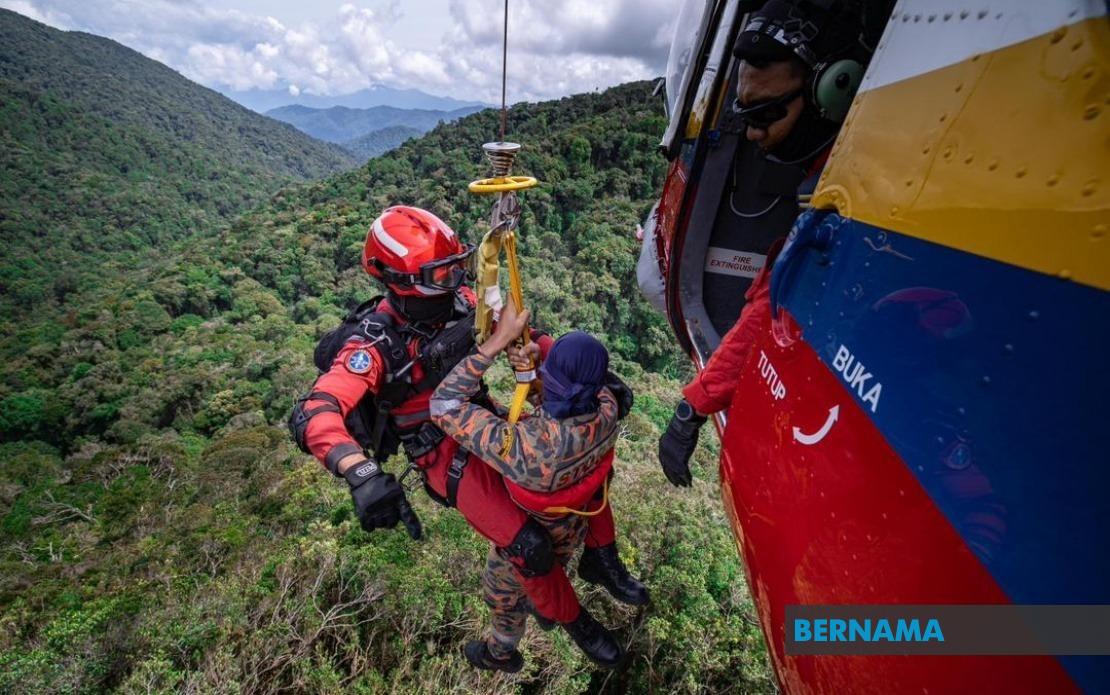
Malaysia's adventure tourism sector faces a mounting safety challenge as hiking-related incidents surge across the nation. Between 2021 and 2025, the country recorded 1,059 accidents linked to hiking activities, claiming 63 lives and injuring 87 others, according to data presented by Deputy Minister of Natural Resources and Environmental Sustainability Syed Ibrahim Syed Noh in Parliament. These sobering figures underscore the tension between encouraging outdoor recreation and managing its inherent risks in an increasingly popular leisure activity.
The growth in hiking's popularity across Malaysia has caught many communities and authorities off guard. As more Malaysians and international visitors venture into forests and mountains seeking respite from urban life, the infrastructure and safety standards governing these activities have struggled to keep pace. The concentration of accidents in recent years points to a critical gap between demand for trail access and the resources available to manage visitor safety effectively. This discrepancy is particularly acute in Peninsular Malaysia's Permanent Reserved Forests, where recreational pressures are mounting.
Responding to parliamentary concerns about standardising hiking safety nationwide, the government has initiated several interconnected initiatives. The Peninsular Malaysia Forestry Department, working with financial backing from the United Nations Development Programme, has created the Mountain Risk Assessment and Management Guideline, a comprehensive technical framework designed to identify hazards and regulate the number of hikers that specific trails can safely accommodate. This guideline represents a shift toward evidence-based risk management rather than ad-hoc responses to emergencies.
Central to Malaysia's new safety architecture is the mandatory deployment of certified Forestry Mountain Guides in 189 identified high-risk hiking zones. These trained professionals, drawn from local and indigenous communities, serve as frontline safety personnel who manage emergency responses, enforce hiking protocols, and provide immediate assistance when incidents occur. The government has certified 2,322 individuals through its Mountain Guide Professional skills development programme, creating employment opportunities while simultaneously enhancing visitor safety. This community-centred approach ensures that safety measures align with local knowledge and cultural practices.
Beyond on-the-ground personnel, Malaysia is embracing geospatial technology to address coordination challenges. The ministry is collaborating with the Malaysian Space Agency to develop a hiking trail management system powered by geographic information systems and remote sensing technology. This digital platform will consolidate trail data, monitor trail conditions in real time, and provide authorities with precise geographic information essential for search and rescue operations. The system addresses a longstanding vulnerability: when hikers go missing, rescuers often lack accurate, current information about trail locations and conditions, hampering response effectiveness.
Currently, hiking registration in Permanent Reserved Forests operates through a fragmented system where state forestry departments manage permits independently, using either manual records or basic online platforms. This decentralised approach, while respecting state autonomy over forest resources, creates coordination difficulties that can prove fatal during emergencies. The government now envisions a unified national digital registration system that would track hikers systematically, enabling authorities to pinpoint missing persons' last known locations and mobilise rescue teams more rapidly. Such a system would represent a significant operational upgrade for Malaysia's search and rescue capabilities.
The implementation challenges for these initiatives are substantial. Establishing a national registration system requires negotiating with 13 state governments, each jealous of their constitutional authority over land and natural resources. Persuading hikers to register in advance demands cultural shift toward accepting accountability for one's location and movements in the wilderness. Training and deploying 2,322 guides across disparate terrain and weather conditions requires sustained funding and quality control mechanisms. Yet the human cost of inaction—63 preventable deaths in five years—justifies the effort and investment required.
Malaysia's approach reflects global best practices in adventure tourism management. Countries like New Zealand and Switzerland have implemented similar systems combining certified guides, digital tracking, and geospatial monitoring. However, Malaysia's tropical geography, mountainous terrain, and diverse ecological zones present unique challenges that international templates cannot fully address. The integration of indigenous knowledge through hiring local guides demonstrates recognition that effective risk management must respect the communities living adjacent to these forests.
The economic dimensions warrant consideration. Hiking generates significant tourism revenue and provides recreation for Malaysian families. Overly restrictive safety measures could discourage participation, while inadequate standards perpetuate tragedies. The government's balanced approach—enabling access through certification and technology rather than prohibition—seeks to maintain this equilibrium. This is particularly important for Malaysia's efforts to position itself as a regional tourism destination while building world-class safety reputations.
Training programmes for guides extend beyond basic hiking skills to encompass first aid, survival techniques, and search and rescue procedures. This comprehensive preparation recognises that hiking guides must transition rapidly from facilitators to emergency responders when circumstances demand. Regular refresher training ensures guides maintain competency with evolving best practices and new equipment. The ministry's emphasis on guide welfare and professional development signals commitment to retaining experienced personnel rather than accepting high turnover.
The parliamentary revelation of these figures and initiatives suggests growing political attention to hiking safety, likely spurred by prominent accident cases and constituent complaints. Political pressure can accelerate implementation timelines and budget allocations, though it can also introduce short-term thinking. Sustaining momentum requires embedding these programmes in long-term policy frameworks rather than treating them as temporary responses to parliamentary questions.
For Malaysian hikers, the expanding safety apparatus carries mixed implications. New registration requirements and guide mandates increase hiking costs and reduce spontaneity, yet promise genuine protection. The geospatial system will enhance rescue response times, potentially transforming survival outcomes for those who become lost or injured. As these systems mature over coming years, Malaysia has opportunity to demonstrate that adventure tourism and rigorous safety standards are compatible objectives.
Moving forward, the government faces critical decisions about enforcement mechanisms, funding sustainability, and technology adoption rates. Success requires coordination across federal forestry agencies, state authorities, emergency services, and local communities. The 1,059 accidents since 2021 represent not merely statistics but families affected by loss and suffering. Malaysia's willingness to implement comprehensive, technologically-enabled safety frameworks offers hope that future hiking seasons will feature significantly lower incident rates.