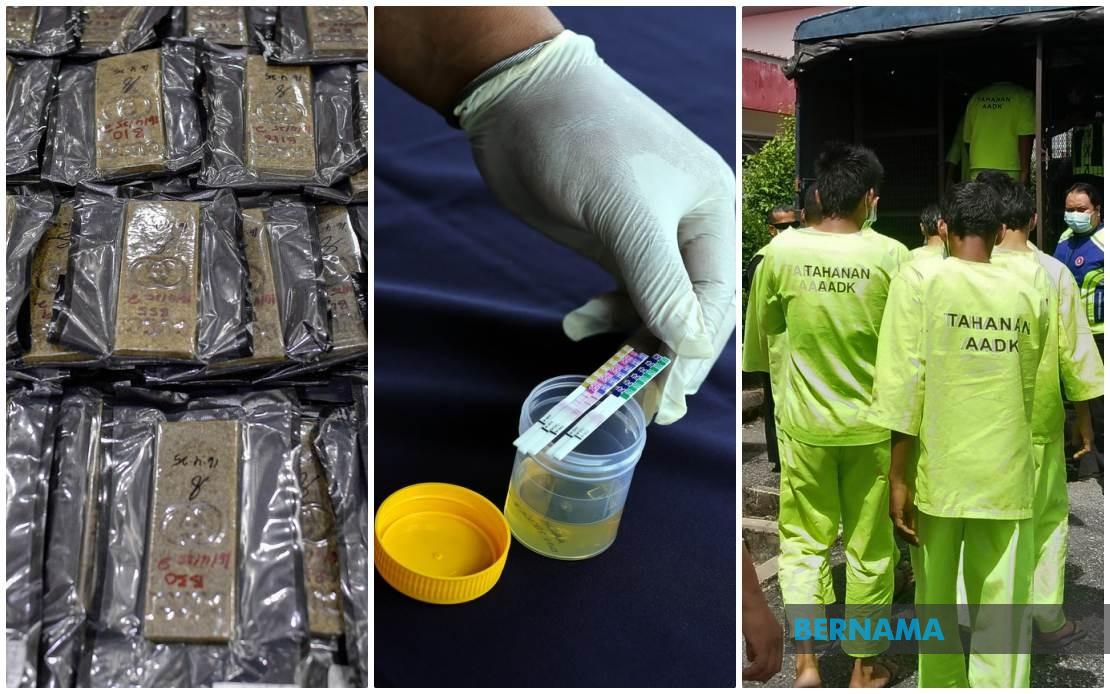
Synthetic drug abuse remains one of Malaysia's most pressing public health challenges, with Home Minister Datuk Seri Saifuddin Nasution Ismail revealing that the country recorded 141,817 cases involving these substances last year. The disclosure, made during parliamentary proceedings, underscores the severity of a problem that has only intensified in recent years—figures from 2023 showed 145,526 cases, while 2024 saw a significant jump to 192,852 cases, indicating an alarming upward trajectory that shows no signs of abating.
The dominance of synthetic drugs in Malaysia's overall drug abuse landscape is striking. Amphetamine-type stimulants, commonly known as ATS, comprise approximately 70 per cent of all documented drug abuse cases nationwide, effectively displacing traditional narcotics that once defined the country's drug problem. This paradigm shift reflects broader regional trends and the evolving nature of illicit drug markets, where chemically engineered substances offer traffickers greater profit margins and users a more potent high. The prevalence of ATS underscores how Malaysia's drug enforcement agencies must constantly adapt their strategies to combat increasingly sophisticated synthetic formulations.
Data compiled from the Ministry of Health, the National Anti-Drugs Agency (AADK), rehabilitation centres, and law enforcement reveals a geographically concentrated crisis. The east coast corridor has emerged as a critical hotspot, with several districts reporting alarmingly high abuse rates. Pendang leads the troubling rankings, followed closely by Kuala Krai, while Bachok, Besut, and Mersing also feature among the most severely affected areas. This geographic concentration suggests that targeted regional interventions and increased resource allocation to east coast districts could yield more effective results than generalised national campaigns, offering policymakers a roadmap for precision public health strategies.
Within these vulnerable zones, the nature of drug abuse has undergone a dramatic transformation. Users have progressively abandoned traditional substances such as cannabis, heroin, and kratom in favour of methamphetamine, commonly referred to as syabu among Malaysian users. This migration reflects the addictive potency of synthetic stimulants and their ready availability through evolving distribution networks. The shift is particularly concerning given that methamphetamine users often display more aggressive and chaotic behavioural patterns than users of traditional opioids, creating cascading social and public safety challenges for communities already struggling with poverty and limited economic opportunities.
A disturbing new development has emerged in the form of fentanyl, a synthetic opioid with catastrophic potential. Authorities discovered this substance during enforcement operations targeting adulterated vaping products, signalling a new and potentially deadlier chapter in Malaysia's drug crisis. Fentanyl's potency—dozens of times greater than morphine—renders it exceptionally lethal, capable of causing fatal overdoses in minute quantities. While the Home Minister stressed that fentanyl's presence in Malaysia has not yet reached epidemic proportions comparable to synthetic stimulants, its mere detection warrants urgent action. The government has responded by incorporating fentanyl into the list of scheduled substances through amendments to the Drug Dependants (Treatment and Rehabilitation) Act and the Dangerous Drugs Act 1952, providing law enforcement with legal mechanisms to prosecute its manufacture, distribution, and possession.
The demographics of those struggling with synthetic drug abuse paint a sobering picture of Malaysian society. Data indicates that nearly 75 per cent of the approximately 192,000 drug abuse cases recorded since January involve individuals aged between 15 and 39, meaning Malaysia's youth and young adults bear the heaviest burden of addiction. This concentration among economically productive age groups carries profound implications for Malaysia's long-term human capital and economic development. Each young person lost to addiction represents not only personal tragedy but also diminished economic output, increased healthcare costs, and intergenerational trauma within families already vulnerable to poverty and social dysfunction.
The prison system provides a window into the drug abuse crisis's systemic dimensions. Approximately 70 per cent of Malaysia's prison population—roughly seven out of every hundred inmates—have direct links to drug-related offences, either through conviction or remand status. In certain facilities such as Machang, drug-related cases approach 100 per cent of the inmate population, transforming these institutions into de facto rehabilitation centres ill-equipped for their expanded role. This reality reflects both the criminality of drug production and trafficking and the persistent challenges faced by rehabilitation programmes in achieving sustained recovery among users whose addiction often intersects with poverty, mental illness, and social marginalisation.
The emergence of online drug marketplaces represents a novel enforcement frontier that traditional law enforcement mechanisms struggle to address. The Home Minister highlighted how technological advancement has democratised access to illicit substances, allowing individuals to purchase drugs through largely unregulated digital platforms. These online marketplaces operate with minimal oversight, creating enforcement blind spots that require international cooperation and sophisticated cyber-investigation capabilities. Malaysian authorities must contend not only with physical drug trafficking networks but also with borderless digital infrastructure controlled by sophisticated criminal organisations often operating from jurisdictions beyond Malaysia's legal reach.
Government interventions currently span prevention, education, and enforcement domains. The AADK has implemented community-based prevention initiatives, school-based education programmes, and workplace intervention strategies designed to intercept potential users before addiction takes hold. Simultaneously, operational coordination between the AADK, Royal Malaysia Police, and the Customs Department targets supply-side disruption through enforcement operations. Yet the sheer scale of the problem—with 560 cases per 100,000 Malaysians recorded so far in 2024—suggests that current approaches, while comprehensive, remain insufficient to reverse the upward trajectory of synthetic drug abuse.
The concentration of synthetic drug abuse in economically disadvantaged areas of the east coast raises uncomfortable questions about the social determinants of addiction. Limited employment opportunities, insufficient mental health services, weak educational infrastructure, and intergenerational poverty create conditions wherein drug use emerges as a coping mechanism rather than a lifestyle choice. Addressing Malaysia's synthetic drug crisis therefore requires not merely enforcement escalation or rehabilitation centre expansion but comprehensive regional development strategies that create viable economic alternatives and strengthen social safety nets. Without addressing these underlying drivers, Malaysia will continue fighting symptoms rather than root causes.
Looking forward, Malaysia's drug crisis demands integrated approaches that recognise both individual agency and structural vulnerability. The fentanyl threat serves as a stark reminder that complacency courts catastrophe; the very lethality of contemporary drug supplies means that each year of delayed intervention potentially costs thousands of lives. Enhanced international cooperation on drug trafficking, investment in evidence-based harm reduction programmes, and strategic resource allocation to high-incidence districts offer pathways toward meaningful progress. Yet ultimately, sustainable solutions require sustained political will, adequate funding, and societal commitment to treating drug abuse as a public health challenge rather than purely a law enforcement matter.