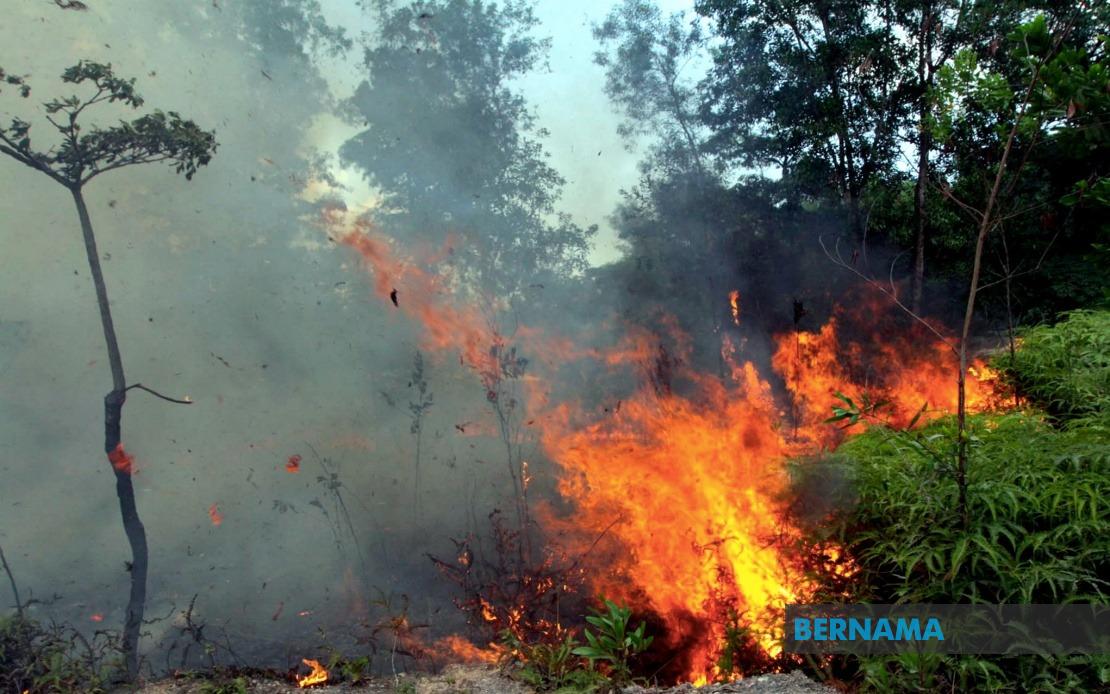
The Malaysian Fire and Rescue Department (JBPM) has sounded an alert over a dramatic escalation in open burning incidents across the country, registering 18,432 cases involving forests, shrubland and waste between January and July this year. The figure represents an alarming 85 percent increase compared with the 9,941 cases documented during the same seven-month window in 2023, and exceeds the 16,294 incidents recorded across the equivalent period in 2024. This trajectory signals a worsening fire management challenge that demands urgent attention from environmental and emergency response authorities.
Director-general Datuk Seri Nor Hisham Mohammad disclosed that the department has now intensified its surveillance efforts by establishing a comprehensive monitoring network spanning 183 locations nationwide. These sites have been identified through historical analysis of open burning patterns accumulated over the past five years, enabling the department to adopt a more proactive and data-driven approach to fire prevention and containment. The strategy reflects a shift towards anticipatory risk management rather than purely reactive responses to incidents as they occur.
Within this broader watchlist, the JBPM has escalated its concern to 62 specific locations classified as bearing significant risk of catastrophic wildfires. These zones are characterised by their potential to generate fires affecting areas in excess of 25 hectares, presenting operational challenges that test the department's resource mobilisation capabilities and tactical response frameworks. When fires reach such scales, they become exponentially more difficult to contain, requiring coordinated deployment of personnel and equipment across multiple fronts simultaneously, often overwhelming available resources.
The geographical distribution of fire incidents reveals a complicated pattern across the Malaysian landscape. Sarawak has emerged as a particular hotspot, with large-scale burning events reported in Sri Aman and Mukah, though these occurrences are set within a broader pattern of incidents spanning the Peninsula as well. However, fires in Peninsular Malaysia tend to be of more limited scope, suggesting environmental or land-use factors may contribute to differential fire behaviour across regions. Sabah occupies a distinct category in the department's assessment, given the state's challenging topography and dense vegetation coverage, which function as accelerants to fire spread and complicate suppression efforts considerably.
Analysis of 2024 fire data uncovered seven major incidents concentrated around the Kota Kinabalu vicinity, with these zones now incorporated into the roster of 62 high-priority monitoring locations. The clustering of previous major fires in this region suggests underlying environmental vulnerabilities or land management practices that create conditions conducive to recurrent fire events. Understanding these patterns becomes crucial for developing targeted prevention strategies rather than applying uniform approaches across diverse ecological contexts.
Hot weather conditions in specific localities have been identified as a principal contributor to the surge in open burning activities, according to Nor Hisham. The interaction between elevated temperatures, reduced atmospheric moisture, and land clearance practices creates an environment where accidental ignitions or deliberate burning can rapidly escalate into uncontrollable wildfires. This meteorological dimension underscores the vulnerability of Malaysia's fire management systems to climate variability and broader weather pattern shifts.
The department's concerns extend beyond immediate weather conditions to encompass longer-term climatic phenomena. Preparations are underway to address anticipated weather disruptions stemming from the Super El Niño phenomenon, which meteorological agencies project will manifest in the Pacific basin around November. The cascading effects of this climate pattern are expected to reach Malaysia approximately three to four weeks into January next year, potentially triggering extended dry periods or erratic rainfall patterns. The timing and intensity of these weather changes could create particularly hazardous conditions for fire management if they coincide with seasonal periods of heightened burning activity.
The JBPM's forward-looking approach reflects recognition that fire management in Malaysia operates within a complex interplay of human behaviour, environmental conditions, and climatic forces. By integrating weather forecasts into contingency planning and identifying vulnerable locations in advance, the department aims to position itself to respond more effectively to the challenges ahead. However, the escalating trend in open burning cases suggests that preventive measures and public awareness campaigns may require substantial enhancement alongside operational preparedness.
For Malaysia's broader environmental and development agendas, the open burning crisis presents multiple implications. Uncontrolled fires degrade air quality, destroy vegetation cover, and undermine long-term land productivity, affecting not only the immediate fire zone but neighbouring regions through transboundary smoke pollution. The economic costs encompass emergency response expenditure, property and agricultural losses, health impacts from air pollution, and potential disruptions to tourism and business activities. Regional neighbours, particularly Indonesia and Brunei, have historical experience with large-scale transboundary fire impacts, making this a matter of shared Southeast Asian concern.
The sharp increase in open burning cases also raises questions about enforcement of existing regulations and the effectiveness of public education initiatives designed to discourage unauthorised burning. Whether the rise reflects genuine increases in burning activity or improved reporting and detection mechanisms remains an open question, but either interpretation suggests operational challenges requiring sustained attention and resource commitment from relevant government agencies.

