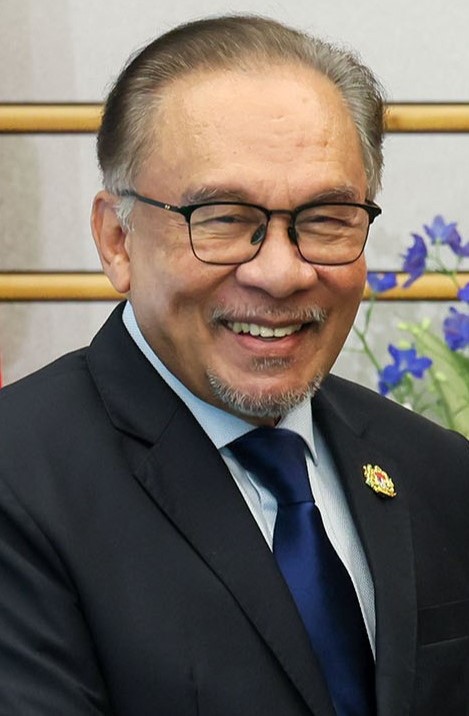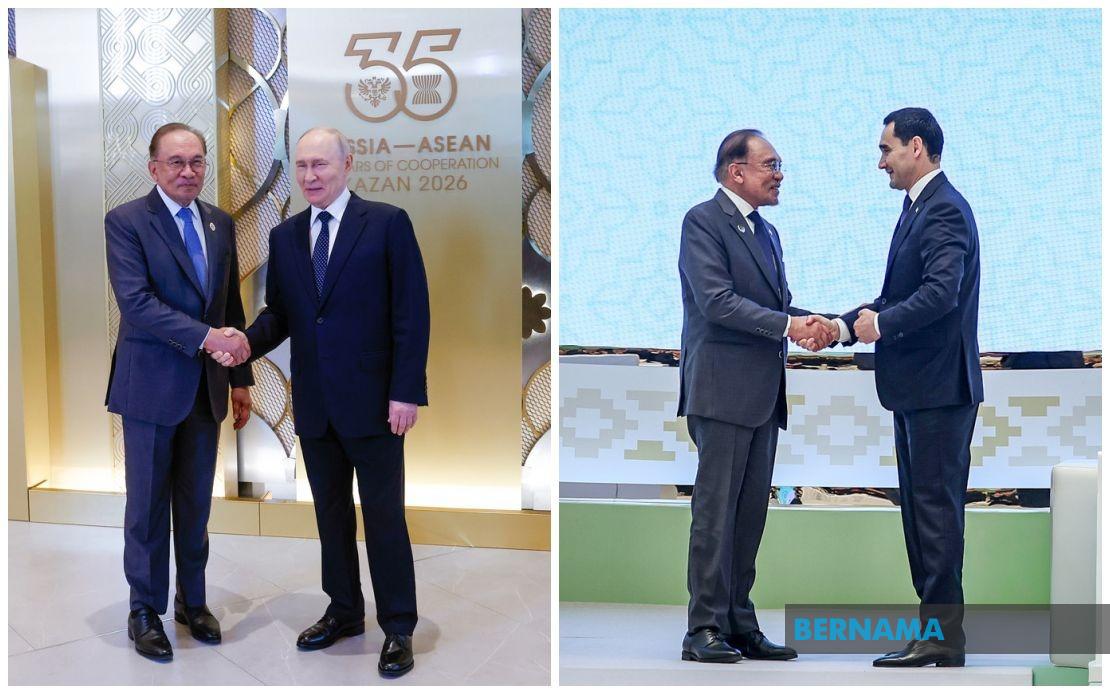
Prime Minister Datuk Seri Anwar Ibrahim's recent diplomatic missions to Russia and Turkmenistan have delivered tangible benefits for Malaysia's energy security and international economic positioning, according to cabinet ministers assessing the outcomes of the high-level engagements. The two-country tour, which included a working visit to Kazan in Russia's Republic of Tatarstan, represents a strategic expansion of Malaysia's energy partnerships beyond traditional suppliers and opens fresh avenues for economic cooperation across multiple sectors.
The centrepiece of the Russia engagement is a long-term crude oil supply agreement spanning up to two decades, a commitment that officials argue directly supports Malaysia's economic resilience and domestic energy programmes. Housing and Local Government Minister Nga Kor Ming emphasised that the extended supply arrangement provides stability absent from conventional annual or seasonal renewal frameworks. This structural certainty allows for more predictable energy costs and planning horizons, factors that proved crucial in sustaining the government's BUDI MADANI RON95 initiative, which maintains subsidised petrol prices at RM1.99 per litre for Malaysian consumers.
The diversification of Malaysia's energy sources represents a deliberate policy shift away from historical dependency patterns. Officials framed the Russian partnership as complementary to existing suppliers, creating redundancy and reducing vulnerability to supply disruptions or geopolitical volatility affecting any single nation. For a resource-importing economy like Malaysia, securing reliable long-term contracts from a major energy producer reshapes the calculus of energy independence and affordability, particularly given regional demand competition from fast-growing economies across Southeast Asia.
Equally significant is Petronas's mandate to operate one of the world's largest natural gas fields in Turkmenistan, a development that substantially elevates the national oil and gas company's global footprint. The company, currently ranked 139th on the Fortune Global 500 list, possesses the technical expertise and operational track record to manage complex, large-scale hydrocarbon projects. Officials noted that successful execution of the Turkmenistan contract could position Petronas to challenge for entry into the top 100 companies globally, amplifying Malaysia's presence in international energy markets and generating substantial revenue flows back to the national economy.
Human Resources Minister Datuk Seri R. Ramanan highlighted the broader strategic implications beyond immediate energy gains. The Turkmenistan arrangement underscores Malaysia's credibility as a trusted international partner capable of deploying sophisticated technical capabilities in high-stakes projects. This confidence vote from Turkmenistan's government reflects not only Petronas's operational prowess but also Malaysia's political stability and institutional reliability—attributes increasingly valuable in a geopolitically fragmented world where nations carefully select partners for critical infrastructure projects.
The Petronas assignment also catalyses downstream opportunities across technology transfer, workforce development, and skills enhancement. Agreements reached during the Anwar visit contemplated collaboration in training high-skilled personnel, importing advanced technical knowledge, and fostering innovation ecosystems. These dimensions address Malaysia's longer-term competitiveness challenges in the energy sector, ensuring that human capital keeps pace with technological advancement and operational demands of modern hydrocarbon development.
The Russia-Turkmenistan tour reflects a calculated diversification of Malaysia's diplomatic and economic engagement, particularly toward Eurasian partners. Kazan, as the capital of Tatarstan, represents a secondary but increasingly important hub for energy commerce and technology development within the Russian federation. By engaging at this level, Malaysia signals openness to partnerships beyond Moscow's sphere and demonstrates ability to navigate complex federal structures where regional actors exercise significant autonomy in resource management and commercial negotiations.
From a regional perspective, Malaysia's success in securing both a major Russian energy contract and a leading operational role in Turkmenistan's gas sector positions the country as a credible intermediary and technology provider within Southeast Asia. Neighbouring nations facing similar energy security challenges may look to Malaysia's experience and Petronas's capabilities as models for their own energy strategies. This soft power dimension—where Malaysia's companies and expertise become reference points for regional peers—extends influence well beyond bilateral relations.
The timing of these engagements also carries geopolitical significance. As global energy markets remain volatile and supply chains reconfigure, locking in multi-year contracts with reliable producers insulates Malaysia from short-term price shocks and supply uncertainties. The agreements reached with Russia and Turkmenistan create predictable cost structures that government can factor into long-term fiscal planning and social programmes dependent on stable energy subsidies. For a developing economy managing multiple competing priorities, this predictability carries considerable value.
Cabinet ministers framed the diplomatic outcomes as validation of the MADANI Government's strategy of broadening Malaysia's partnership base. Rather than concentrating energy relationships within traditional Middle Eastern suppliers or relying on regional producers, Malaysia has now established footholds across Eurasian markets. This geographic distribution of partnerships aligns with contemporary best practices in energy security and reflects lessons learned by major importing nations about the hazards of supply concentration.
The Petronas development in Turkmenistan also carries implications for Malaysia's position within global energy governance frameworks. As the company expands its operational footprint and manages larger reserve bases, it accumulates greater influence in international energy discussions, standard-setting bodies, and investment decisions affecting global hydrocarbon markets. This enlarged role amplifies Malaysian voices in shaping energy policies and industry practices that affect the broader international community.
Looking forward, officials suggested that the Russia and Turkmenistan visits establish foundations for sustained engagement across multiple ministries and agencies. The breadth of agreements—spanning energy, trade, investment, technology, and human resources—indicates comprehensive rather than transactional partnership frameworks. This depth creates multiple channels for ongoing dialogue, problem-solving, and the inevitable adjustments required as complex projects move from negotiation through implementation and operation across decades.