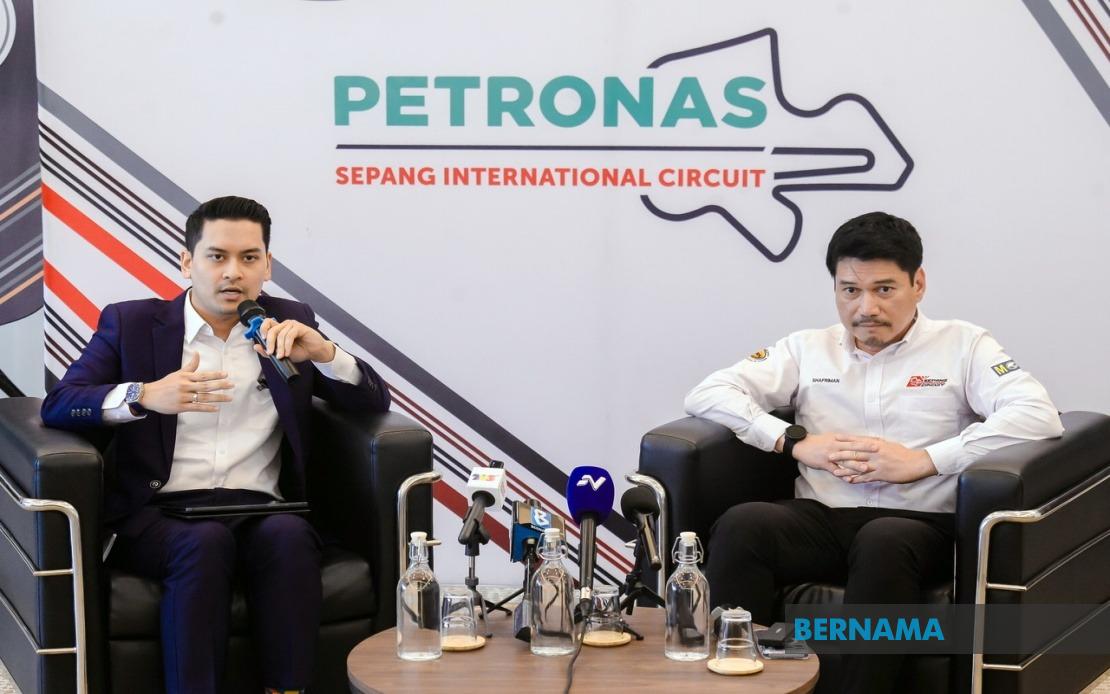
Malaysia has locked in its position as a major motorsport destination by extending its contract to host the Motorcycle Grand Prix until 2031, Youth and Sports Minister Dr Mohammed Taufiq Johari announced at the Sepang International Circuit. The five-year renewal, effective from next year, received formal Cabinet approval and signals the government's determination to maintain Malaysia's competitive edge in the global motorsport arena. This extension builds on the existing arrangement that has kept the premier international motorcycle racing series in the country through this year.
Dr Mohammed Taufiq framed the decision as far more than a routine extension of a sporting event, characterizing it instead as deliberate government strategy to entrench Malaysia's standing as a world-class motorsport hub. The timing reflects confidence in the sector's trajectory and the nation's capacity to deliver a world-leading event year after year. By securing this commitment through 2031, Malaysia demonstrates to international investors and sports bodies that political will exists to support long-term sporting infrastructure development.
The economic dimensions of hosting MotoGP extend well beyond the racing itself. Data from the 2024 edition revealed the championship generated approximately RM694 million in cumulative economic activity across multiple sectors. Beyond the direct revenue from ticket sales and hospitality, the event catalyzed employment creation with over 4,400 job opportunities emerging across the economy. Perhaps most significantly, the return on investment ratio of 6.3 times demonstrates that public funding for the event returns substantial dividends to the national economy.
Tourism represents one of the most visible beneficiaries of the MotoGP calendar. International visitors descend on Malaysia each year specifically to attend the races, necessitating accommodation, dining, transportation, and entertainment services. Hotels near Sepang International Circuit experience occupancy peaks during race weekends, while local restaurants and shops benefit from increased consumer spending. The hospitality sector, in particular, gains from the predictability of the event, allowing businesses to plan staffing and inventory with greater certainty.
Beyond hospitality and tourism, the Malaysian motorsport ecosystem has developed downstream industries that generate sustainable economic activity. Small and medium enterprises supplying specialized services, transportation providers, and logistics companies have built business models partly around the MotoGP calendar. The SME sector benefits from both direct contracts related to event management and indirect opportunities as visitors and teams require goods and services during their stay.
The government views MotoGP as instrumental in developing indigenous Malaysian motorsport talent and technical expertise. Through the Malaysian Motorsport Development programme, a structured pathway has emerged for identifying and nurturing riders capable of competing internationally. Notable examples include Hakim Danish and Qabil Irfan, who have built racing careers partly through exposure and opportunities created by Malaysia's involvement in world motorsport. This talent development function extends beyond riders to include engineers, mechanics, and technical personnel who gain experience working on international-standard racing operations.
Malaysia's history with MotoGP stretches back more than three decades, having first hosted the championship in 1991 before the race relocated to the purpose-built Sepang International Circuit in 1999. Over this period, the infrastructure evolved from hosting events to establishing permanent facilities designed specifically for premier motorsport competition. The circuit has matured into a sophisticated venue capable of supporting the technical demands of modern Grand Prix racing, with facilities matching international standards.
The broader motorsport industry in Malaysia has benefited from the reputation and infrastructure associated with MotoGP hosting. The circuit itself hosts numerous other racing events throughout the year, extending economic benefits beyond a single weekend. The presence of a world-class facility attracts other motorsport activities and generates regular employment for permanent staff, security personnel, and maintenance workers.
Regional implications of the MotoGP extension merit consideration. Within Southeast Asia, Malaysia has positioned itself as the region's primary hub for major international motorsport, contrasting with competing nations that have sought similar events. This differentiation strengthens Malaysia's appeal to sports tourism, enhancing its competitive position among regional tourism destinations. The hosting commitment through 2031 signals confidence that remains relatively rare in a region where sporting event commitments sometimes face political or financial uncertainty.
Looking forward, the five-year extension provides stability for stakeholders dependent on the MotoGP calendar. Tour operators can confidently market Malaysian racing experiences, circuit operators can plan facility improvements with visibility into revenue streams, and hotel and restaurant owners can invest in capacity expansion knowing demand will materialize. This predictability ripples through the economy, encouraging business planning and investment decisions that would otherwise remain uncertain.
The Cabinet's formal approval underscores recognition that motorsport hosting delivers measurable returns to the Malaysian economy and enhances national positioning internationally. Rather than viewing MotoGP as merely entertainment, the government has positioned it within a broader economic development strategy. The extension through 2031 represents a deliberate choice to maintain and expand this strategic asset, betting that Malaysia's comparative advantages in hosting premier motorsport will continue generating benefits across multiple economic sectors for the remainder of this decade.

