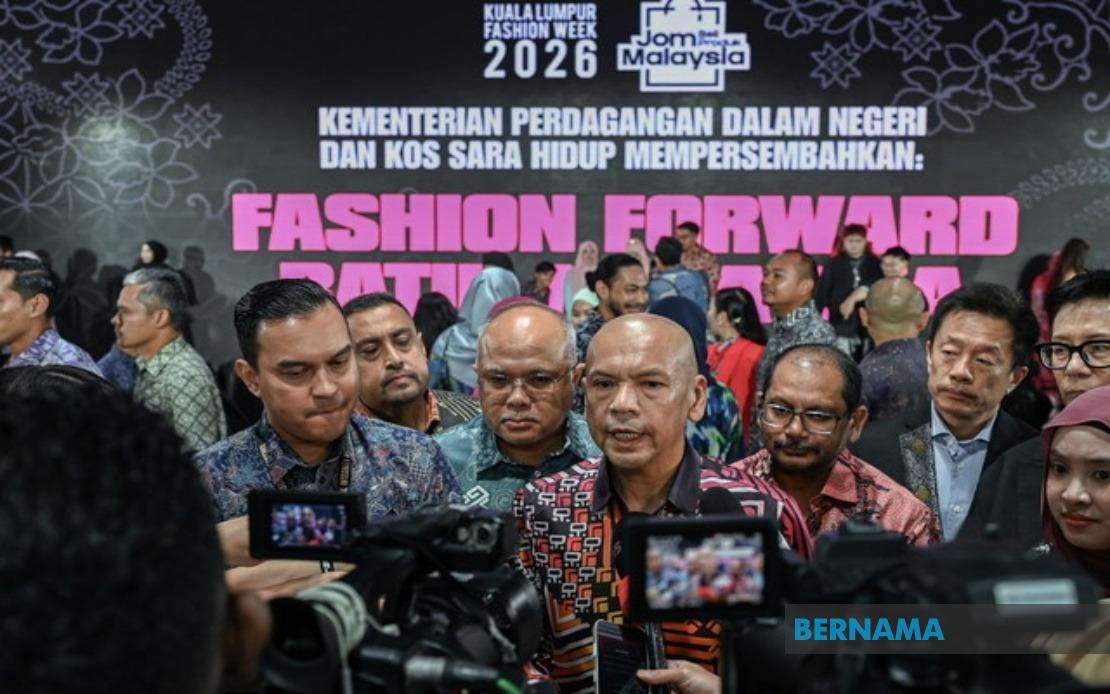
The Malaysian government has opened a consultation process with industry players and stakeholders to refine its approach towards promoting domestic products, signalling a recognition that successful policy requires collaborative input from the private sector. Domestic Trade and Cost of Living Minister Datuk Armizan Mohd Ali issued the invitation for proposals and feedback this month, positioning the move as essential to ensure government strategies align with real-world business needs rather than operating in isolation from market realities.
Central to this initiative is a newly established Cabinet Committee to Empower the Use and Purchase of Local Products, which was formed in July and held its inaugural meeting recently. The committee operates under the chairmanship of Deputy Prime Minister Datuk Seri Fadillah Yusof, with the Ministry of Domestic Trade and Cost of Living acting as its secretariat. This high-level structure underscores the government's commitment to treating local product promotion as a strategic priority rather than a marginal concern, bringing considerable ministerial weight behind implementation efforts.
The committee's scope extends across multiple government agencies, reflecting the complexity of supporting domestic industries in a modern economy. Participants include the Ministry of Economy, Ministry of Investment, Trade and Industry, Ministry of Tourism, Arts and Culture, Ministry of Entrepreneur Development and Cooperatives, and the Finance Ministry. This deliberate cross-sectoral approach addresses a long-standing challenge in Malaysian governance: the tendency for different departments to pursue overlapping objectives without coordinating strategy, thereby diluting impact and creating confusion for businesses trying to navigate government support programmes.
Armizan highlighted a critical problem driving this policy initiative: the concerns among local entrepreneurs about the influx of foreign products flooding Malaysian markets, particularly through online platforms. The rise of e-commerce has fundamentally altered competitive dynamics, allowing international retailers to reach Malaysian consumers directly without maintaining physical presence or contributing to local employment and tax bases. This structural shift has exposed vulnerabilities in how existing support mechanisms protect domestic manufacturers and traders from more agile foreign competitors with different cost structures and supply chain advantages.
The government's emphasis on coordinated action reflects understanding that fragmented efforts have limited effectiveness. By consolidating ministerial resources and establishing clear lines of communication through the Cabinet Committee, policymakers aim to create synergies across traditionally separate policy domains. Reducing dependence on imported goods while simultaneously increasing local products' contribution to economic growth represents an ambitious dual objective, particularly in a globalised trading environment where Malaysia maintains numerous free trade agreements and open market commitments.
One tangible expression of this strategy is the collaboration between the Ministry of Domestic Trade and the Kuala Lumpur Fashion Week, undertaken as part of the Jom Beli Produk Malaysia movement. This partnership demonstrates how cultural and creative platforms can function as economic development instruments. The Fashion Forward Batik segment showcased during KLFW 2026 exemplifies this approach, leveraging Malaysia's traditional artistic heritage to create contemporary commercial opportunities and international market exposure for local fashion entrepreneurs.
Data on the cultural and creative industries underscores the economic potential underlying these initiatives. According to the 2024 Cultural and Creative Satellite Account Report, this sector contributed RM130.7 billion to Malaysia's gross domestic product, representing 6.8 per cent of total economic output. These figures suggest substantial room for expansion, especially if local creative products can capture greater domestic market share and establish stronger international brand positioning. The Kuala Lumpur Fashion Week achieved a media value record of USD32 million in the previous year, demonstrating how well-curated platforms can generate significant promotional benefits and international attention for Malaysian product categories.
For Malaysian consumers and entrepreneurs alike, this policy shift carries practical implications. The consultation process invites business organisations, manufacturers' associations, retail groups, and individual entrepreneurs to submit detailed proposals addressing specific barriers they encounter. These might include regulatory obstacles, access to financing, supply chain inefficiencies, or gaps in workforce skills. By systematically gathering this ground-level intelligence, policymakers can identify where regulatory reform or targeted support would yield the greatest economic returns.
The timing of this initiative reflects broader regional economic trends. Southeast Asian nations increasingly recognise that passive reliance on free trade mechanisms does not automatically optimise outcomes for domestic producers. Vietnam, Indonesia, and Thailand have implemented strategic approaches to nurturing competitive local industries whilst maintaining trade liberalisation commitments. Malaysia's approach similarly acknowledges that markets function within policy frameworks, and deliberate government coordination can enhance competitiveness without necessarily violating regional trade obligations.
Stakeholder consultation also serves a political function in democratic governance. By explicitly inviting proposals and demonstrating responsiveness to business community concerns, the government builds broader coalition support for implementation. Entrepreneurs who feel heard and see their suggestions reflected in final policies develop greater investment confidence and commitment to supporting initiatives like the Jom Beli Produk Malaysia movement. This consultative approach contrasts with top-down mandate styles that often generate passive compliance rather than enthusiastic participation.
The success of this initiative will ultimately depend on execution. Cabinet Committee endorsement and ministerial coordination represent necessary but insufficient conditions for meaningful change. Complementary steps would likely include trade financing mechanisms, skills development programmes, digital marketing support for online platforms, and potentially tariff or regulatory adjustments favouring local products in government procurement. The consultation process should identify which interventions will deliver maximum impact for different industry segments, from manufacturing to handicrafts to digital creative services.
For Malaysia's integration into regional and global value chains, this local products strategy must balance protectionist impulses with competitive imperatives. The most sustainable approach strengthens domestic industries' fundamental competitiveness rather than attempting indefinite isolation from international competition. Batik production, fashion design, and other cultural creative exports can succeed internationally only if they meet quality standards and consumer preferences at global levels. Government support should therefore focus on capabilities, innovation, and market access rather than substituting for competitive advantage.
Looking forward, the Cabinet Committee's effectiveness will be judged by concrete outcomes: measurable increases in domestic product consumption, successful market entries for Malaysian brands internationally, and growing employment and investment in targeted sectors. The consultation process launching now will determine whether these ambitious objectives translate into pragmatic, implementable policies or remain aspirational rhetoric.

