Authorities in Malaysia have launched a coordinated search effort for two members of the Fire and Rescue Department (JBPM) who have lost contact following severe flash flooding that struck Rasuwa district in Nepal. The Ministry of Housing and Local Government (KPKT) confirmed it is collaborating with the Foreign Ministry through Wisma Putra to trace the missing personnel, who form part of a larger group of more than 50 Malaysians affected by the disaster.
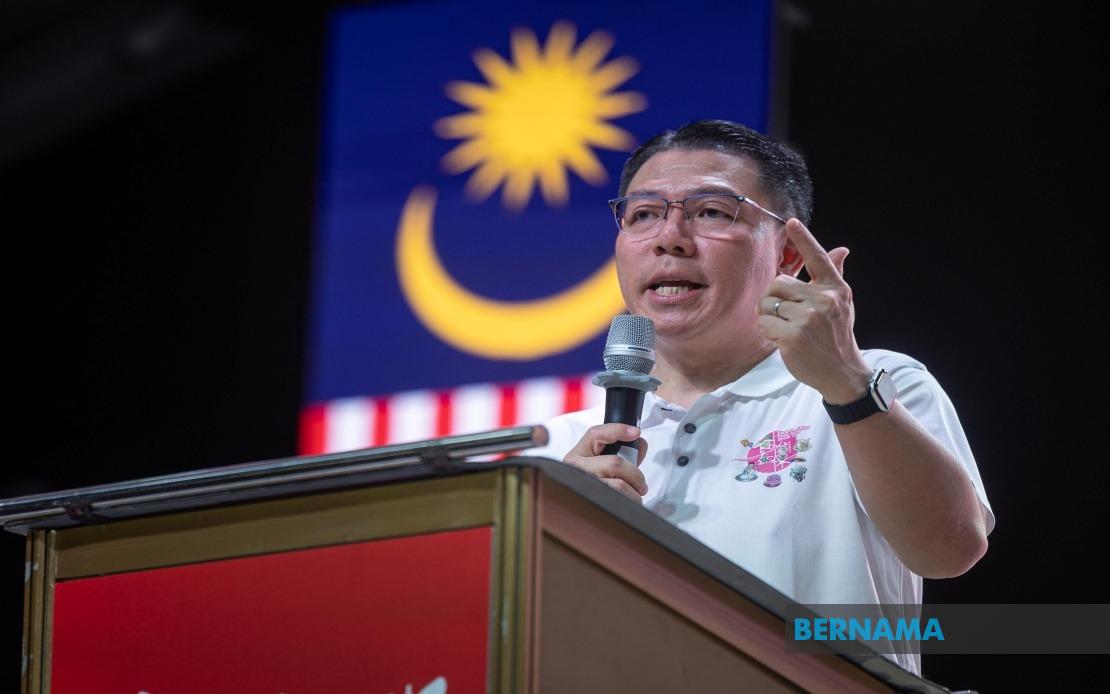
Minister Nga Kor Ming made an appeal for public support during remarks at the Jom Makan Ipoh Expo, describing the two officers as "red heroes" and requesting that all Malaysians hold them in their thoughts. His emotional appeal underscored the gravity of the situation and the government's commitment to resolving the crisis. The minister emphasised that his ministry was exhausting all available channels and deploying every resource to ensure the safe return of the two officers.
The two identified officers are Mohd Sani Harul, who holds the position of Deputy Director within the JBPM Headquarters Planning and Research Division, and Mohd Fakhrul Munir Mohd Isa, an instructor with the JBPM Central Region Academy. Both officers had departed Malaysia on a Monday evening bound for Nepal as part of an expedition group intended to reach Everest Base Camp, a prestigious trekking destination in the Himalayas. The expedition included ten Malaysian participants in total, making the loss of contact with two members particularly alarming.
The JBPM has maintained regular communication with the families of the two missing officers, ensuring they receive updates and support during this challenging period. This family engagement reflects standard protocol for missing persons cases involving government personnel and demonstrates the ministry's recognition of the emotional toll such situations place on loved ones. The ministry's proactive communication strategy aims to keep families informed while broader search and rescue operations unfold.
The flash flooding in Rasuwa represents one of Nepal's recurring natural disasters, as the region's topography and monsoon weather patterns create conditions conducive to sudden, destructive water surges. Such events have previously claimed lives and displaced communities throughout the district. The timing of this incident during what is typically the height of trekking season raises concerns about the number of international visitors who may have been caught in the disaster.
For Malaysia, this incident highlights the risks undertaken by adventure tourism participants and the challenges faced by government agencies in responding to emergencies involving nationals abroad. The presence of JBPM personnel on the expedition suggests they may have been there in an official capacity or as experienced outdoor professionals, though exact details of their role in the trip remain unclear. Their expertise in rescue operations could prove valuable should they have survived and be stranded in difficult terrain.
The broader group of over 50 uncontactable Malaysians indicates this was not an isolated incident but rather a major event affecting numerous citizens in the region simultaneously. Establishing contact with such a dispersed group following infrastructure damage and communication network disruption presents significant logistical challenges. Authorities must coordinate with Nepalese counterparts, navigate terrain complications, and manage information flow to anxious families in Malaysia.
Wisma Putra's involvement signals that diplomatic channels are being fully utilised to facilitate search efforts and coordinate with the Nepalese government and rescue authorities. International cooperation becomes essential in such situations, as foreign nations often require assistance from local authorities who possess superior knowledge of affected areas and existing resources. Malaysia's diplomatic engagement reflects the seriousness with which it treats the welfare of its citizens overseas.
The description of the officers as "red heroes" carries particular resonance in Malaysian culture, acknowledging firefighters' dangerous work and heroic contributions to public safety. This framing elevates public consciousness about the risks these professionals undertake and may encourage broader community support for the search efforts. It also reflects the high regard in which emergency services are held within Malaysian society.
As search operations continue, the focus remains on establishing rapid contact with the missing personnel and determining their current status and location. Weather conditions, terrain accessibility, and the scale of damage in Rasuwa will all influence the timeline and methodology of rescue efforts. The coming hours and days will be critical in determining outcomes for the two officers and the broader group of affected Malaysians.
This incident also serves as a reminder of the inherent dangers associated with high-altitude trekking and mountaineering activities, even for experienced outdoor enthusiasts. Rasuwa's proximity to major peaks and its location along trekking routes means it regularly experiences severe weather and geological instability. Prospective trekkers to Nepal should carefully consider seasonal risks and coordinate with reliable guides and tour operators familiar with safety protocols in the region.
The Malaysian government's transparent communication about the situation, coupled with its multi-ministry coordination effort, demonstrates the standard response protocols for crisis situations involving nationals abroad. Beyond the immediate search operation, this incident will likely prompt reviews of emergency procedures, travel advisory systems, and how adventure tourism activities are monitored and supported for Malaysian participants in high-risk environments.

