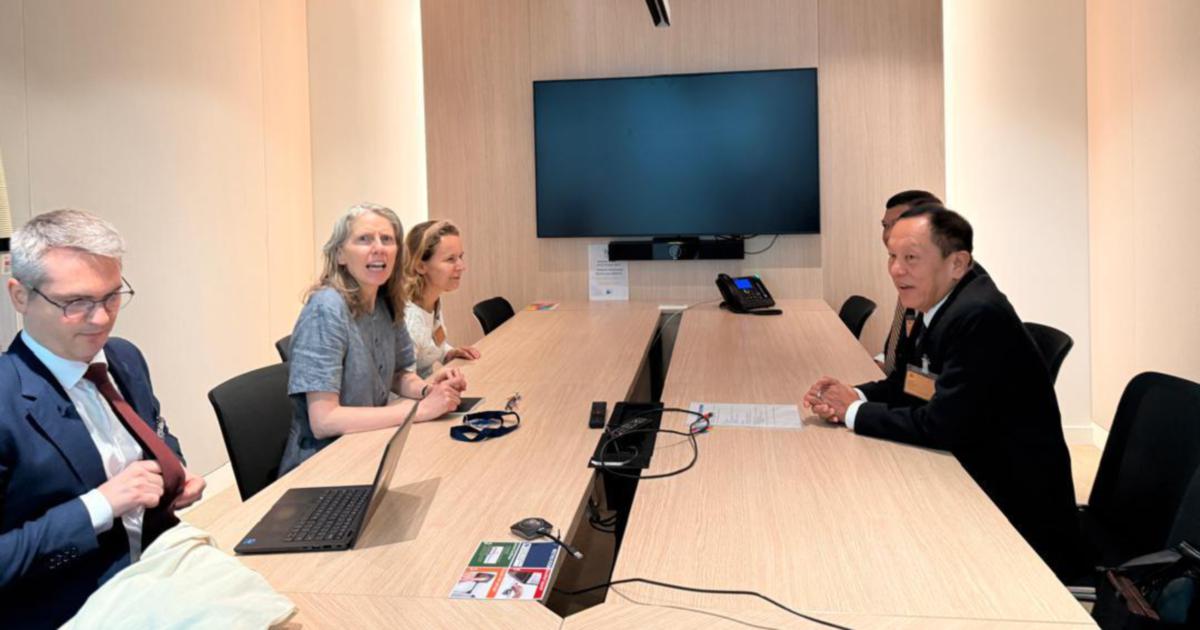
Malaysia's anti-corruption agency has brought its hard-won expertise in asset recovery from the 1Malaysia Development Bhd scandal to an international forum, presenting lessons learned during an Organisation for Economic Co-operation and Development anti-bribery meeting held in Paris. The participation underscores how the country's experience tackling one of the world's largest financial scandals has contributed to broader global discussions on combating corruption and recovering stolen funds.
The 1MDB affair, which unfolded over several years, revealed how vast sums were diverted through a complex web of shell companies, international bank transfers, and illicit payments involving high-level officials. Recovery efforts required coordination across multiple jurisdictions, sophisticated financial forensics, and sustained diplomatic engagement. By sharing these experiences at the OECD forum, Malaysia demonstrated the practical challenges and methodologies involved in pursuing transnational asset recovery—a critical concern for developing nations seeking to reclaim stolen state assets.
The Malaysian Anti-Corruption Commission's presence at such a high-level gathering reflects the country's increasingly prominent role in international anti-corruption efforts. Where Malaysia once struggled with perceptions of institutional weakness in enforcement, the 1MDB investigation and subsequent recoveries have established credibility within global compliance networks. This shift has real implications for how regional authorities cooperate with counterparts in Europe, Asia, and beyond when investigating cross-border financial crimes.
Asset recovery from the 1MDB scandal has proven extraordinarily complex. Investigators traced stolen funds to properties, luxury goods, financial accounts, and investments spread across multiple countries including Switzerland, Singapore, the United States, and the United Kingdom. Each recovery required navigating different legal systems, mutual legal assistance treaties, and cooperation frameworks. The Malaysian experience provides concrete examples of what works and what obstacles emerge when pursuing assets that perpetrators deliberately concealed across international borders.
The OECD anti-bribery convention, which Malaysia is party to, establishes standards for criminalizing bribery of foreign public officials and creates frameworks for mutual legal assistance. Sharing practical experience from the 1MDB investigations helps other countries understand how these legal instruments function in practice and where gaps or inefficiencies occur. Particularly for Southeast Asian nations developing their own anti-corruption capacities, Malaysia's case study offers valuable roadmaps for investigation techniques and international coordination.
The timing of Malaysia's participation in the Paris meeting reflects broader regional momentum on anti-corruption. Southeast Asia has seen increased pressure to strengthen institutions and enforcement mechanisms, partly driven by international scrutiny and partly by domestic demands for accountability. The 1MDB saga catalyzed significant reforms within Malaysia's investigative and prosecutorial institutions, including enhanced capacity within the MACC and closer collaboration between law enforcement and financial regulators.
International asset recovery remains contentious because it requires poorer nations to pursue funds in wealthy jurisdictions with sophisticated legal defenses. The World Bank estimates that corruption costs developing countries approximately $1 trillion annually in stolen assets and lost economic activity. Countries like Malaysia that successfully recover even portions of state assets gain leverage in negotiations and set precedents for future cases. Each successful recovery demonstrates to other developing nations that persistence through international channels can yield tangible results.
The Malaysian experience also illuminates the role of civil society, media scrutiny, and political will in enabling investigations. Public pressure in Malaysia contributed to maintaining momentum for accountability even when investigations faced resistance. This combination of factors—institutional capacity, international cooperation, and domestic political commitment—represents the constellation of elements necessary for effective anti-corruption work in an interconnected world.
For Malaysian readers, the country's presentation at the OECD forum signals that despite the damage inflicted by the 1MDB scandal, Malaysia has converted that institutional trauma into specialized expertise. The MACC and related agencies have built capabilities in tracing complex financial schemes and recovering assets that few institutions globally can match. This expertise now flows back into international collaboration, enhancing Malaysia's standing within governance networks.
The recovery efforts themselves continue. Malaysia and cooperating jurisdictions have repatriated hundreds of millions in assets, though substantial sums remain under investigation. The Paris forum provided an opportunity to discuss remaining obstacles and emerging challenges in asset recovery, including the rise of cryptocurrency and new methods that perpetrators use to obscure ownership of illicit gains. As global financial systems become more complex, institutions like Malaysia's must continuously adapt their investigative approaches.
Looking forward, Malaysia's role as a voice on anti-corruption at international forums demonstrates how developing nations can convert difficult experiences into constructive contributions to global governance. The country faces ongoing challenges in implementing institutional reforms and maintaining political commitment to accountability, but its presence at OECD discussions reflects serious engagement with these issues at the highest levels of international cooperation.

