Global tensions stemming from the US-Iran conflict have created genuine anxiety about food security across the region, particularly after shipping disruptions through the Strait of Hormuz threatened supplies of critical agricultural inputs. The crisis threatened to drive up prices for essentials from cooking oil to fertilisers, as petroleum-dependent products faced constraints and packaging materials became scarce. Malaysian consumers prepared for the worst, many cutting back spending and bracing for inflation that seemed inevitable given the international turmoil.
Yet Malaysia's food sector has weathered the storm with remarkable stability. Food inflation remained subdued at 1.4% year-on-year in May 2026, only marginally higher than the 1.2% recorded in April, defying predictions of significant price increases. This resilience did not emerge by accident but reflects deliberate policy choices by the government to shield producers and consumers from external shocks through a combination of immediate support and structural improvements to agricultural competitiveness.
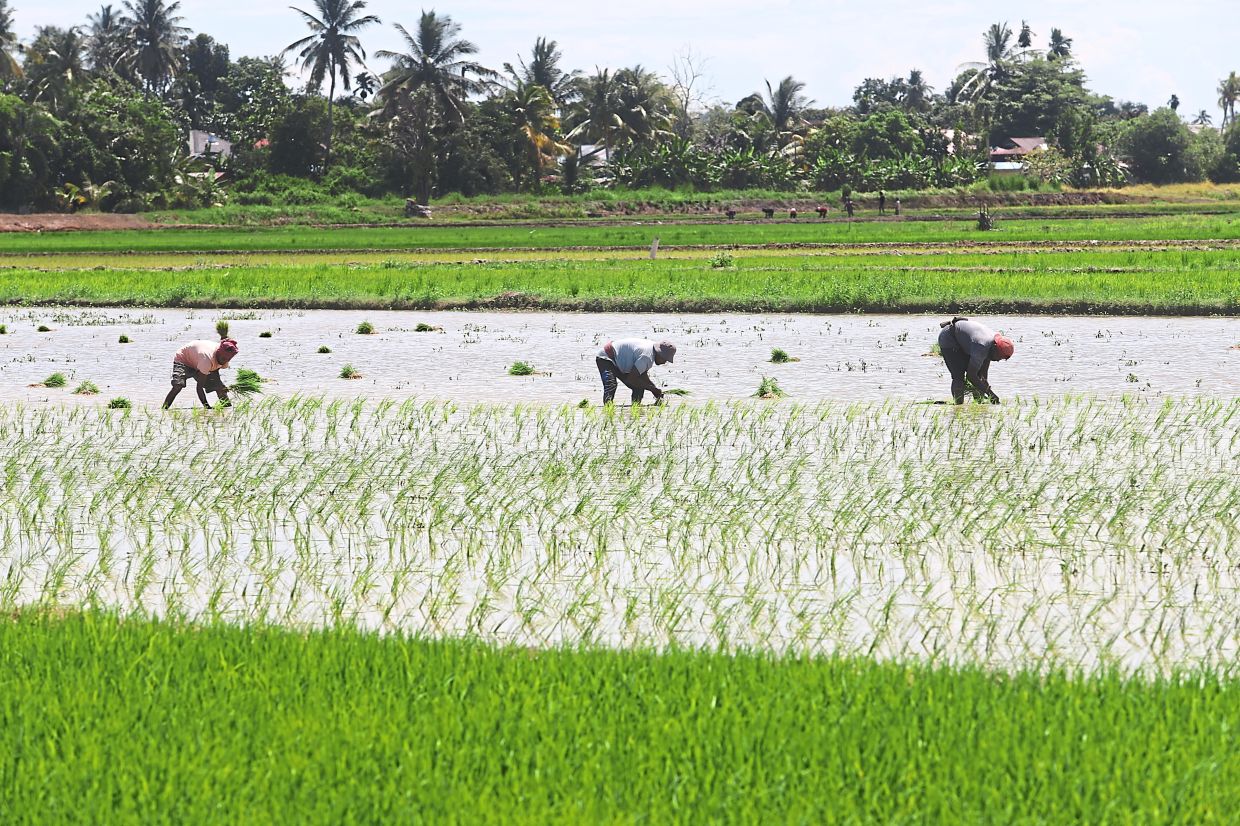
The most visible intervention came through enhanced diesel subsidies for farmers. In April, the Ministry of Finance significantly boosted the Budi Agri-Komoditi scheme to RM400 monthly from RM300, a 33% increase designed to help agricultural operators cope with elevated fuel and transportation costs. Simultaneously, the government nearly doubled the ploughing incentive from RM160 to RM300 per hectare for the 2026 season, with Peninsular Malaysian farmers also receiving RM200 per hectare in advance payments to finance land preparation. These measures directly reduce production costs that farmers would otherwise pass along the supply chain.
According to Prof Datuk Dr Nasir Shamsudin, an agricultural economist at Putra Business School and professor emeritus at Universiti Putra Malaysia, these interventions work precisely because they address the cost pressures farmers face at the moment they most need relief. The monthly diesel subsidy helps offset immediate operational expenses while the increased ploughing incentive improves cash flow during the critical pre-planting phase. Together, these initiatives have sustained agricultural output and prevented the producer-side cost shocks that typically trigger retail price inflation.
Beyond these short-term measures, the government has committed substantial resources to longer-term food system strengthening. Budget 2026 allocated RM2.62 billion across subsidies, assistance programmes, and incentives related to paddy cultivation, fertiliser provision, seed supply, and production support. The fishing sector received RM160 million in living allowances and catch incentives, while RM55 million supports local fruit growers producing pineapples, soursop, water apple and pomelo through grants and infrastructure development. These allocations represent a strategic bet that investment in primary producers yields better returns than managing consumer-side inflation later.
Critically, these support measures have also strengthened the system's ability to absorb external shocks. Malaysia maintains sufficient stocks of essential items including chicken, eggs, fish, milk and fruits for at least a month of consumption despite ongoing global disruptions. Rice reserves including national buffer stocks cover five to six months of national demand, while fertiliser supplies are adequate for approximately nine months. This combination of financial support for producers and maintained strategic reserves creates a dual buffer against the supply chain uncertainties that have affected other nations more severely.
However, Prof Nasir emphasises that long-term food price stability cannot rest indefinitely on subsidies alone. The true test of Malaysia's food security lies in fundamentally improving agricultural productivity and supply chain efficiency. Investments in farm mechanisation, precision agriculture technologies, climate-smart farming methods, high-yield crop varieties, advanced irrigation systems, post-harvest infrastructure, and integrated logistics networks offer permanent reductions in unit production costs that subsidies cannot provide. These structural improvements reduce vulnerability to commodity price swings and global supply disruptions by making Malaysian agriculture more competitive.
A complementary strategic shift addresses another vulnerability: dependency on imported chemical fertilisers whose prices fluctuate with global energy markets. The government is promoting a transition towards organic fertilisers, biofertilisers, and Effective Microorganisms products that provide greater price stability and environmental benefits. A RM5.5 million project under the 13th Malaysia Plan has been approved to develop circular economy approaches that convert agricultural and food waste into compost and organic inputs, creating a more closed-loop system less exposed to global price volatility.
Yet Malaysia confronts a fundamental structural challenge that no subsidy programme can fully overcome. As a net food importer, the country remains exposed to global market dislocations and supply chain disruptions regardless of domestic policy interventions. In 2024, the agri-food trade deficit reached RM39.34 billion, reflecting substantial reliance on imports of rice, wheat, dairy products and meat that are essential to the national diet. This import dependency means that Malaysian consumers and producers face inevitable exposure to external price shocks whenever international logistics face disruption or commodity markets experience volatility.
The challenge extends beyond obviously imported items to sectors that appear self-sufficient in domestic production. Many supposedly self-reliant agricultural activities actually depend on imported inputs including seeds, technology, equipment, and specialist chemicals, creating hidden vulnerabilities that subsidies address only symptomatically. Prof Nasir notes that while domestic production has shown improvement in recent years, this progress masks continuing reliance on global supply chains for the inputs that make production possible.
The Malaysian government's approach thus combines pragmatic short-term protections with strategic medium-term investments designed to reduce structural dependency. The immediate subsidies maintain household food affordability and farmer viability during periods of global turbulence, preventing the kind of social stress that food inflation creates. Simultaneously, investments in domestic productivity and circular economy approaches aim to gradually reduce the import dependency that creates vulnerability in the first place. This two-track strategy recognises that food security requires both price stability today and production capacity tomorrow.

