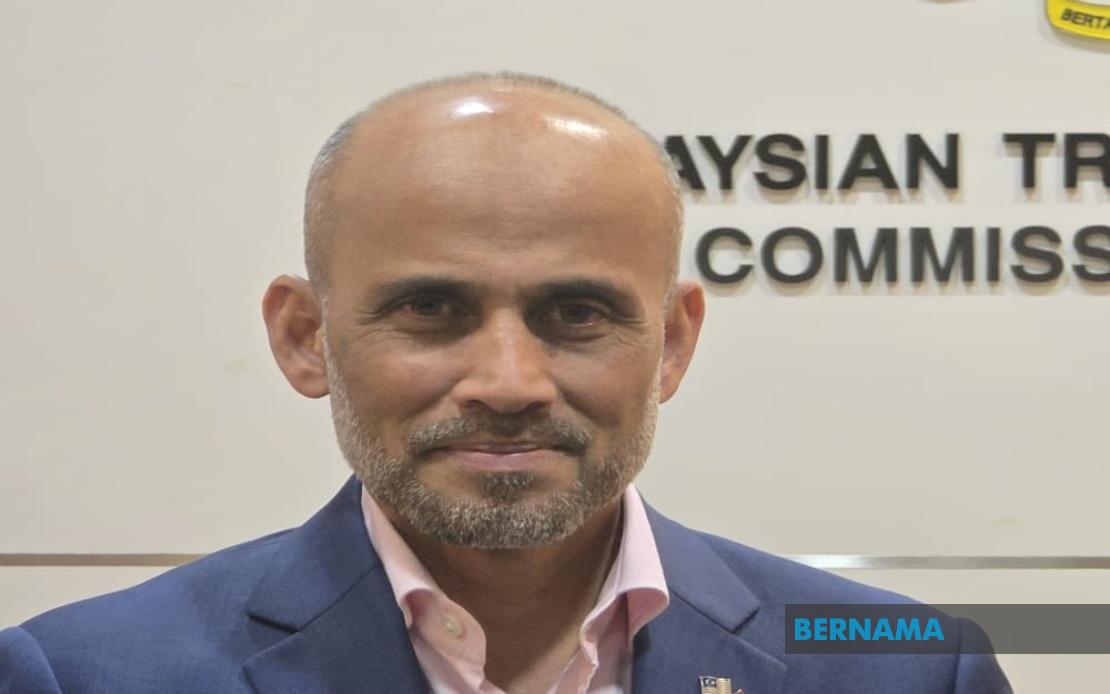
As Malaysia prepares for a diplomatic transition in its Singapore mission, the departing High Commissioner has offered an optimistic assessment of bilateral relations, crediting five years of close collaboration in weathering unprecedented global disruptions. Datuk Dr Azfar Mohamad Mustafar, who is relocating to his new posting as High Commissioner to the United Kingdom effective July 1 after receiving his instruments of appointment from His Majesty Sultan Ibrahim on May 18, reflected on a tenure that demanded rapid navigation of both pandemic-related crises and emerging geopolitical tensions that have tested regional partnerships throughout Southeast Asia.
The diplomat's five-year posting, which commenced in June 2021, coincided with a particularly volatile period in the region's development. The immediate challenge confronting him was managing the fallout from COVID-19 restrictions that had severed the daily movement of thousands of Malaysian workers and business travellers across the causeway into Singapore. The pandemic-induced border closures created acute consular difficulties as Kuala Lumpur sought to maintain essential services for its citizens while adhering to public health protocols. Azfar emphasized that these consular pressures required swift diplomatic responses to ensure Malaysians could continue accessing necessary assistance from the High Commission even as the republic imposed strict entry requirements.
Beyond the immediate pandemic response, Azfar's tenure encompassed a broader agenda of economic revitalization centred on deepening commercial ties between the two nations. Trade and investment flows have rebounded substantially from their pandemic lows, returning to pre-pandemic performance levels and underscoring the resilience of the Malaysia-Singapore economic partnership. Singapore's position as one of Malaysia's largest trading partners has remained unchanged, reflecting decades of complementary economic structures and established business networks that proved remarkably durable despite the COVID-19 disruption.
Investment dynamics present a particularly compelling dimension of the relationship. Singapore investors have steadily expanded their presence in Malaysia, with fresh opportunities emerging from major infrastructure initiatives. The Johor-Singapore Special Economic Zone represents a flagship project designed to catalyse cross-border investment and commercial activity, offering Singapore capital a compelling avenue to expand operations while supporting Malaysian economic development in one of the country's most strategically important states. Azfar indicated that Singapore's investment flows into Malaysia are anticipated to accelerate as these new zones mature and attract multinational enterprises seeking regional hub operations.
Looking forward, Malaysia is positioning itself as an active supporter of Singapore's assumption of the ASEAN chair next year, a responsibility that carries significant implications for the region's institutional development. Azfar reaffirmed Malaysia's commitment to backing Singapore's chairmanship agenda, particularly initiatives aimed at deepening economic integration among the ten member states. Such coordinated efforts are especially crucial given the competitive pressures from larger powers and the need for Southeast Asia to maintain strategic cohesion in an increasingly multipolar world order.
A particularly significant area of future cooperation involves the ASEAN Power Grid initiative, which aims to create a regional electricity interconnection network. Both Malaysia and Singapore have identified energy security and sustainable infrastructure development as priorities, making the Power Grid project a natural focal point for bilateral collaboration. This initiative carries implications extending far beyond commerce, touching upon energy security, environmental sustainability, and the region's capacity to reduce dependency on external energy sources during periods of geopolitical tension.
Azfar's career trajectory reflects the sophisticated diplomatic corps that Malaysia has cultivated over recent decades. His appointment as an Administrative and Diplomatic Officer in 1996 marked the beginning of a quarter-century career in international relations, with subsequent postings including a ambassadorial role in France from 2018 to 2021 before assuming his Singapore posting. This background in major European postings followed by a critical Southeast Asian assignment demonstrates how Malaysia's Foreign Ministry rotates senior diplomats through diverse postings to build expertise across multiple regional contexts.
The transition from Singapore to the United Kingdom represents a significant geographical shift that underscores Malaysia's multifaceted diplomatic commitments. While Southeast Asian postings remain crucial for managing immediate regional challenges, maintaining robust diplomatic representation in major Western capitals serves Malaysia's broader strategic interests in trade negotiations, technology partnerships, and engagement with the Commonwealth framework. Azfar's appointment comes at a time when Malaysia is recalibrating its international alignments amid shifting global power dynamics and evolving trade patterns.
The timing of this diplomatic handover coincides with intensifying discussions about ASEAN's role in managing regional stability. As the bloc confronts challenges ranging from the South China Sea to Myanmar's political crisis, the quality of bilateral relations between major Southeast Asian players becomes increasingly consequential. Malaysia and Singapore, despite historical territorial disputes and occasional friction over resource allocation, have developed pragmatic mechanisms for addressing disagreements while maintaining cooperative frameworks across multiple sectors including trade, security, tourism, and education.
The outgoing High Commissioner's emphasis on partnership resilience resonates with broader patterns in Southeast Asian diplomacy, where neighbouring states have learned to compartmentalize disputes while deepening functional cooperation in areas of mutual benefit. The Malaysia-Singapore relationship demonstrates that even geographically proximate nations with complex histories can build sophisticated partnership architectures that yield tangible benefits for both populations. Trade flows, investment patterns, and labour mobility provide material foundations that encourage political elites to prioritize relationship maintenance over short-term confrontation.
Azfar's reflection that Malaysia has "played its small part" in strengthening the bilateral partnership reflects a diplomatic humility that characterizes mature international relations. The recognition that challenges remain and that continuous effort is required to maintain and enhance partnership quality suggests that Malaysia's diplomatic establishment approaches the Singapore relationship as requiring sustained attention rather than taking the partnership as guaranteed. This perspective proves particularly valuable given regional dynamics where great power competition, climate challenges, and technological disruption create new pressures on established relationships.
The transition to Singapore's ASEAN chairmanship represents an opportunity for Malaysia to leverage its bilateral relationship to amplify its voice within regional decision-making structures. As the largest Southeast Asian economy by nominal GDP, Singapore wields disproportionate influence within ASEAN forums, and Malaysia's visible support for Singapore's agenda can facilitate Malaysian priorities within working groups and policy discussions. The ASEAN Power Grid and economic integration initiatives identified by Azfar represent areas where Malaysia possesses significant interests that align with Singapore's leadership priorities.
Moving forward, the Malaysia-Singapore relationship will face new tests as both nations navigate digital economy transitions, climate adaptation requirements, and the need to maintain stable supply chains amid geopolitical tension. The bilateral partnership's demonstrated capacity to absorb shocks and identify mutually beneficial cooperation areas provides a foundation for managing these future challenges. Azfar's successor will inherit a relationship strengthened through years of crisis management and shared commitment to regional stability, positioning Malaysia's High Commission in Singapore to continue advancing bilateral interests during another period of uncertain global conditions.

