%22%2F%3E%3C%2Fpattern%3E%3C%2Fdefs%3E%3Crect%20width%3D%22100%25%22%20height%3D%22100%25%22%20fill%3D%22url(%23ph36h04g)%22%2F%3E%3Crect%20width%3D%22100%25%22%20height%3D%22100%25%22%20fill%3D%22url(%23ph36h04p)%22%2F%3E%3Ctext%20x%3D%2250%25%22%20y%3D%2250%25%22%20text-anchor%3D%22middle%22%20dominant-baseline%3D%22central%22%20fill%3D%22rgba(255%2C255%2C255%2C0.95)%22%20font-family%3D%22Georgia%2C%20'Times%20New%20Roman'%2C%20serif%22%20font-weight%3D%22700%22%20font-size%3D%22170%22%20letter-spacing%3D%22-0.02em%22%3EMalaysia%3C%2Ftext%3E%3C%2Fsvg%3E)
Malaysia's commitment to overhauling its foreign worker recruitment system took concrete shape this week as the Ministry of Human Resources outlined plans to deepen governance standards with Bangladesh, one of the country's largest sources of migrant labour. Speaking from Putrajaya, Human Resources Minister Datuk Seri R. Ramanan reaffirmed KESUMA's resolve to tighten oversight mechanisms ensuring that Bangladeshi workers entering Malaysia experience transparent, equitable and ethical hiring processes free from exploitation and discrimination.
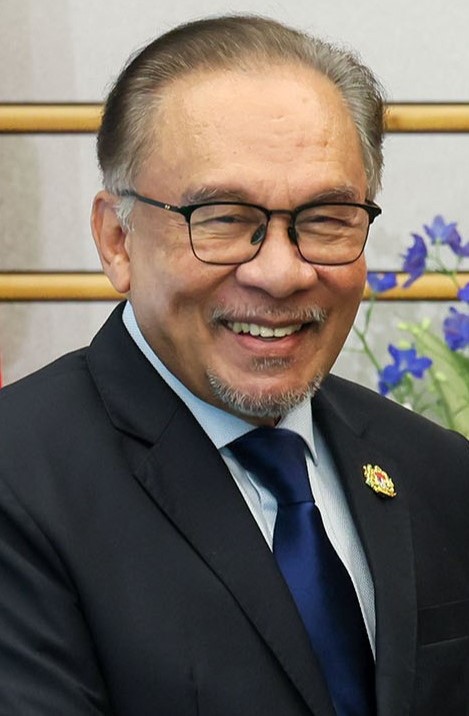
The policy announcement comes against the backdrop of a landmark bilateral summit between Prime Minister Datuk Seri Anwar Ibrahim and visiting Bangladeshi Premier Tarique Rahman, during which both nations agreed to establish a Joint Working Group dedicated to evaluating and modernising their labour migration framework. Tarique's visit marks his first official bilateral trip abroad since assuming office in February, underscoring the diplomatic weight Malaysia places on strengthening ties with its substantial South Asian labour partner.
Bangladesh occupies a pivotal position within Malaysia's foreign workforce ecosystem. Tens of thousands of Bangladeshi nationals work across construction, manufacturing, hospitality and domestic sectors, contributing significantly to Malaysia's economic machinery while sending remittances home that support their families and Bangladesh's broader economy. This scale of engagement necessitates robust institutional safeguards that transcend mere procedural compliance, addressing systemic vulnerabilities that have historically enabled wage theft, unsafe working conditions and documentary fraud.
The proposed Joint Working Group initiative signals recognition that existing bilateral arrangements require substantive updating. According to statements from Ramanan, the committee will undertake comprehensive evaluation of the current Memorandum of Understanding governing labour mobility, identifying obsolete provisions and gaps that have emerged as regional employment markets evolved over recent years. Simultaneously, both governments commit to drafting fresh terms reflecting contemporary labour standards, worker protection expectations and ethical recruitment principles now embedded within international best practice frameworks.
For Malaysian employers and industries dependent on Bangladeshi labour, the governance overhaul carries dual implications. Enhanced transparency and accountability mechanisms should theoretically reduce fraudulent recruitment practices and workplace violations that generate reputational damage and operational disruption. Simultaneously, stronger protections for workers—encompassing proper documentation, wage security mechanisms and grievance channels—may incrementally increase hiring costs and administrative complexity for smaller enterprises still adapting to Malaysia's previous regulatory shifts.
The emphasis on ethical recruitment mechanisms reflects broader regional trends toward accountability. Southeast Asian nations increasingly face international scrutiny regarding labour trafficking risks, modern slavery vulnerabilities and systemic worker exploitation within their foreign labour populations. Malaysia's proactive repositioning as a jurisdiction committed to transparent, humane recruitment practices carries strategic value in maintaining its attractiveness as both an investment destination and trading partner while deflecting criticism from international labour organisations and governmental bodies.
Ramanan's statement specifically anchors the initiative to mutual welfare objectives, framing worker protection not as a unilateral Malaysian obligation but as reciprocal benefit. This framing proves diplomatically useful, positioning governance improvements as serving Bangladesh's national interests by ensuring its emigrant workers enjoy dignified conditions that maintain their earning potential and marketability for future opportunities. Bangladesh's government faces domestic political pressure to demonstrate tangible protections for overseas workers, whose remittances substantially support national finances and whose mistreatment abroad generates domestic backlash.
The governance strengthening process necessarily intersects with Malaysia's broader labour market dynamics. Domestic workforce participation rates, demographic trends, and sectoral labour shortages continue driving demand for foreign workers despite occasional political rhetoric favouring localisation policies. Any new recruitment framework must balance restrictive impulses against pragmatic acknowledgment that Malaysian employers cannot meet their labour requirements through domestic sourcing alone. Bangladesh, with its substantial surplus labour force and established diaspora networks in Malaysia, remains indispensable to this equilibrium.
Implementation challenges likely await both governments. Creating effective enforcement mechanisms requires coordinating between Malaysian federal authorities, state governments, sector-specific regulators and private recruitment agencies—institutional actors with divergent incentives and capacities. Bangladesh similarly must align its sending-side oversight, diplomatic missions, and domestic labour regulations with Malaysia's reception-side frameworks. Bureaucratic coordination across two sovereign systems, complicated by geographical distance and differing administrative cultures, historically impedes rapid progress on such initiatives.
The Worker recruitment governance conversation also reflects Malaysia's positioning within the broader Southeast Asian labour mobility landscape. Thailand, Singapore and Vietnam pursue varying approaches to foreign worker management, creating competitive dynamics where countries perceived as offering superior protections or clearer pathways attract more worker registrations and employer confidence. Malaysia's upgrade efforts serve partly to maintain competitive standing within this regional ecosystem and to signal institutional seriousness to potential source countries reconsidering bilateral arrangements.
Moving forward, the Joint Working Group's effectiveness will largely depend on its mandate depth, resource allocation and political insulation from bureaucratic inertia. Quick-win provisions—such as digitised documentation systems, standardised contracts and accessible complaint mechanisms—could demonstrate tangible progress and build momentum. Deeper structural reforms addressing remittance transparency, skills certification portability and occupational safety harmonisation will require sustained commitment extending beyond initial enthusiasm.
Ultimately, Malaysia's governance commitment toward Bangladeshi worker recruitment reflects recognition that labour migration, properly managed, generates mutual prosperity across countries while inadequately regulated systems impose serious human costs. The Joint Working Group represents an institutional commitment to pursuing the former trajectory, though considerable implementation distance remains between policy declaration and operational reality.