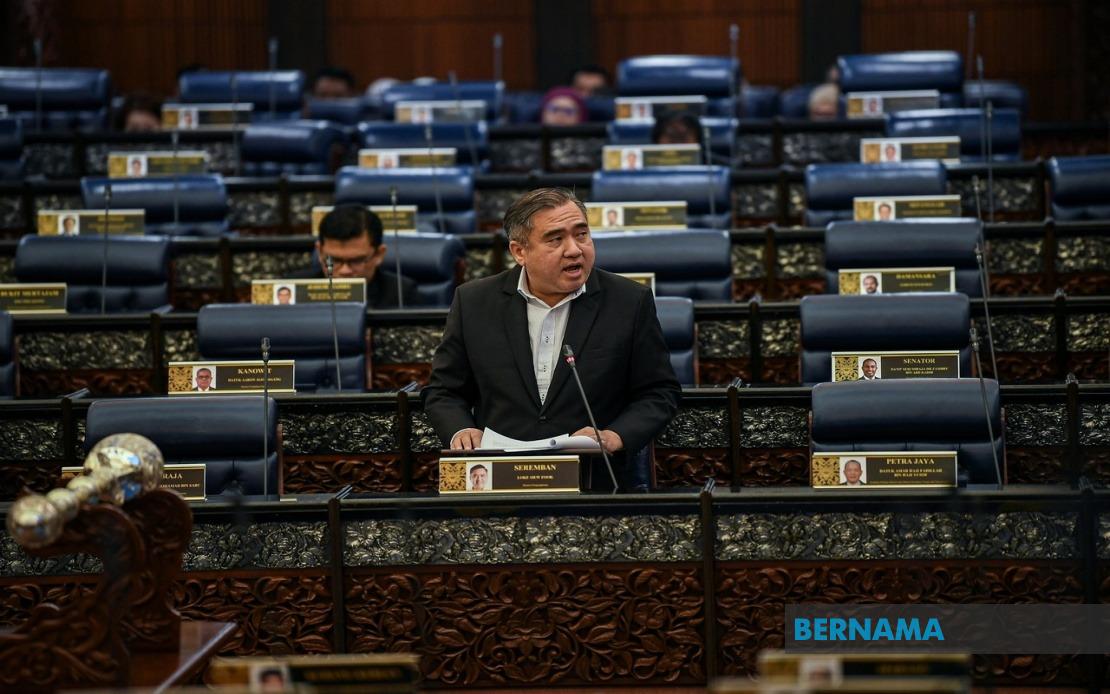
Malaysia is moving to combat the growing menace of street racing with landmark legislation that transforms illegal racing from a generic dangerous driving violation into a distinct criminal offence. Transport Minister Anthony Loke tabled the Road Transport (Amendment) Bill 2025 in parliament on June 23, introducing provisions that specifically target organised racing and speed trials conducted on public roads. The new legal framework reflects mounting public concern about dangerous driving behaviour that has claimed lives and created hazards for ordinary motorists across Malaysian highways and urban streets.
Under the proposed Section 42A, illegal racing and speed testing will become standalone offences rather than being prosecuted solely under broad dangerous driving provisions. This distinction holds significant practical and legal implications for enforcement agencies, who currently must often wait for accidents or injuries to materialise before taking action against street racing. The new framework allows authorities to intervene preemptively, addressing conduct that endangers public safety regardless of whether collateral harm has occurred. This represents a fundamental shift in enforcement philosophy, prioritising accident prevention over reactive prosecution.
First-time offenders face financial and custodial penalties designed to deter initial involvement in illegal racing activities. Those convicted face fines ranging from RM2,000 to RM10,000, imprisonment extending up to two years, or a combination of both penalties. These sanctions exceed typical traffic enforcement measures, reflecting the seriousness with which legislators regard organised racing. The graduated penalty structure recognises that first-time offenders may include younger drivers or those caught in single instances, while still imposing meaningful consequences that disrupt patterns of dangerous behaviour.
Repeat offenders encounter substantially harsher consequences intended to incapacitate habitual participants in street racing networks. Those convicted a second time or subsequently face maximum fines of RM20,000 alongside imprisonment periods reaching five years. This escalation signals parliament's determination to remove persistent offenders from roads and dismantle organised racing communities that operate with apparent impunity in various Malaysian urban centres. The five-year maximum imprisonment represents one of the more severe penalties in road transport legislation, indicating the government's classification of organised racing as serious criminal conduct.
The enforcement challenges that prompted this legislative intervention stem from gaps in existing legal architecture. Racing and speed trials conducted on public roads were previously addressed only through dangerous driving provisions that require proof of actual harm or imminent danger. This created situations where obvious racing activity—such as groups of motorcyclists competing in coordinated speed contests—could not be prosecuted unless an accident occurred or other vehicles were placed at immediate risk. The new specific offence eliminates this prosecutorial handicap, enabling enforcement officers to take action based on the conduct itself rather than its consequences.
Minister Loke illustrated practical scenarios demonstrating the law's expanded scope. When multiple motorcyclists engage in organised racing against one another on public roads, authorities can now intervene even if no collision or injury results. Similarly, motorists conducting illegal vehicle speed trials face prosecution regardless of whether their activities directly endanger other road users. This preventive approach acknowledges that racing inherently creates risks—loss of vehicle control, unpredictable manoeuvres, and sudden route changes—that threaten all road users, not merely participants.
Complementing the racing offence, the Bill introduces Section 110B to strengthen enforcement operations more broadly. This provision criminalises obstructing, interfering with, assaulting, threatening, or following enforcement officers' vehicles. It also targets information-sharing that helps offenders evade authorities. Individuals engaging in these activities face fines between RM10,000 and RM50,000, imprisonment from one to five years, or both. Significantly, this offence is arrestable, allowing police to apprehend suspects without warrants. This protection of enforcement personnel acknowledges practical realities where racing communities sometimes resist police action through coordinated interference.
The amendment extends beyond street racing to address commercial vehicle enforcement. Penalties for overloading, non-compliant vehicles, and other commercial transport violations receive renewed attention through revised compound limits and fine structures. Current minimum fines of RM300 face potential increases to RM500, though the actual compounds imposed will vary based on offence severity, circumstances, and settlement timing. These adjustments, scheduled for implementation on January 1, 2029, reflect inflation pressures and the need for penalties that remain meaningful rather than becoming mere administrative costs for violators.
For Malaysian drivers and road safety advocates, this legislation addresses long-standing frustrations with apparent lawlessness on certain highways and urban thoroughfares. Cities like Kuala Lumpur, Johor Bahru, and Penang have reportedly experienced persistent street racing culture, particularly among younger motorists seeking thrills and status within racing communities. The shift toward criminalisation rather than traffic violations acknowledges that organised racing represents lifestyle choices and community identity rather than momentary traffic infractions. By treating it as criminal conduct rather than regulatory violation, the law signals that society will not tolerate this behaviour.
Regional perspectives reveal similar struggles across Southeast Asia. Indonesia, Thailand, and the Philippines have encountered comparable street racing challenges, though policy responses vary considerably. Some jurisdictions rely primarily on traffic enforcement and licence suspension, while others have implemented harsher criminal sanctions. Malaysia's approach—creating a specific criminal offence with substantial imprisonment provisions—positions the country among the stricter regional jurisdictions. This reflects either greater parliamentary concern about racing prevalence or policy decisions that criminal deterrence proves more effective than administrative penalties.
Implementation effectiveness will depend on enforcement consistency and public education. Police forces must develop detection capabilities and investigation procedures suited to the new offence category. Community awareness campaigns should communicate that street racing now carries criminal records and serious jail time, not merely traffic fines. Courts will establish sentencing precedents that indicate actual enforcement intensity. Without sustained commitment across these dimensions, the legislation may prove symbolically significant without operationally transforming street racing prevalence.
The Bill also addresses compound settlement procedures, allowing flexibility in enforcement while maintaining penalty credibility. The system recognises that not all offences warrant prosecution through courts, yet compounds must remain substantial enough to constitute genuine consequences. The January 1, 2029 implementation date for revised compound structures provides authorities transition time for system adaptation and public notification.
Ultimately, this amendment represents parliamentary recognition that street racing transcends ordinary traffic violations and requires criminal law responses. By establishing specific offences, protecting enforcement personnel, and implementing graduated penalties, Malaysia signals serious intent to reclaim road safety from organised racing communities. Success will be measured not merely by legislation passage but by whether enforcement patterns, court convictions, and ultimately road safety metrics reflect genuine behavioural change among potential offenders.