The Malaysian government has set an ambitious target to establish at least 1,000 MADANI Recreational Parks throughout the nation by the end of the decade, marking a significant commitment to enhancing public access to quality recreational facilities in communities nationwide. According to Mansor Mohamad, director-general of the National Landscape Department, the initiative represents a strategic effort to ensure that Malaysians across all demographic groups have convenient access to well-designed outdoor spaces within their residential areas.
Progress on this nationwide rollout has been tangible, with 216 MADANI Recreational Parks already operational as of 2025, demonstrating the government's commitment to delivering on this infrastructural ambition. The department's momentum shows no signs of slowing, as an additional 100 parks are currently in active construction phases during the current year alone. This steady advancement indicates that the government remains on track to meet its 2030 deadline, provided funding and implementation timelines continue as scheduled.
The financial investment required for this programme is substantial but measured. Each MADANI Recreational Park requires between RM400,000 and RM500,000 to complete, with final costs determined by site dimensions and the specific design specifications adopted for each location. This pricing strategy reflects a pragmatic approach to delivering quality recreational infrastructure without prohibitive expenditure, allowing the government to scale the programme across diverse geographic regions and community sizes throughout Malaysia.
A defining characteristic of the MADANI Recreational Parks programme is its deliberate placement within existing communities and residential neighbourhoods rather than in peripheral locations. This strategic positioning addresses a fundamental accessibility challenge by eliminating transportation barriers that often prevent residents, particularly children, elderly persons, and individuals with mobility constraints, from utilising recreational facilities. The integration of these parks directly into the residential fabric ensures that families can reach and use them with minimal effort.
Inclusivity stands as a cornerstone principle underlying the design philosophy of these recreational spaces. The parks incorporate universal design principles, fundamentally enabling users of all ages, abilities, and backgrounds to access and benefit from the facilities simultaneously. This approach specifically accommodates persons with disabilities alongside able-bodied users, creates age-appropriate zones for children and teenagers, and provides comfortable amenities for adults and senior citizens. Such comprehensive inclusivity reflects contemporary understanding of public space design and ensures that no segment of the Malaysian population is excluded from recreational opportunities.
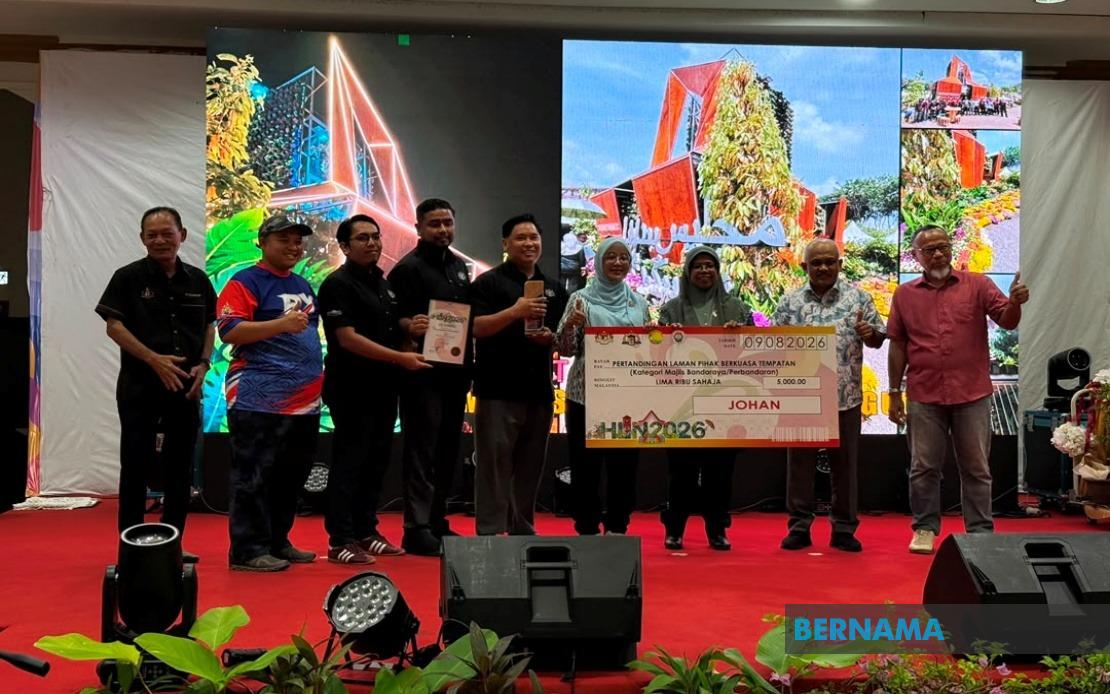
The launch celebration of National Landscape Day, which took place at Hang Jebat Stadium in Krubong, Melaka, provided a comprehensive showcase for the programme's broader objectives and achievements. The four-day event, officially opened by Deputy Housing and Local Government Minister Datuk Aiman Athirah Sabu and attended by State Housing, Local Government, Drainage, Climate Change and Disaster Management Committee chairman Datuk Rais Yasin, attracted approximately 80,000 visitors, indicating substantial public interest in and engagement with the landscaping and recreational infrastructure agenda.
Beyond its immediate function of providing recreational spaces, the MADANI Recreational Parks programme serves multiple strategic purposes within Malaysia's broader development framework. The initiative fosters cultural appreciation for landscaping and environmental design among the general population, potentially cultivating long-term community commitment to maintaining and enhancing public spaces. Furthermore, the programme provides landscape entrepreneurs and industry professionals with significant commercial opportunities to display, promote, and commercialise their products and services to an engaged audience seeking to improve their immediate environments.
The sustained nature of this initiative extends well beyond the current year's activities. The National Landscape Department has already begun preliminary planning for next year's National Landscape Day celebration, with officials preparing to identify suitable venues for expansion and systematically gathering feedback from diverse stakeholders including community representatives, landscape professionals, and local government bodies. This forward-planning approach suggests that the government recognises the necessity for continuous refinement and stakeholder engagement to ensure the programme remains responsive to community needs and professional standards.
For Malaysian communities, particularly in suburban and residential areas, the proliferation of these parks addresses recognised deficiencies in accessible recreational infrastructure. In a context where rapid urbanisation has sometimes prioritised commercial development over public amenities, the MADANI initiative represents a deliberate rebalancing toward community welfare and quality of life improvements. The parks' strategic placement within residential zones eliminates the need for lengthy travel, making recreational activity a practical choice for time-constrained families and working professionals.
The programme also carries broader implications for Malaysia's positioning on sustainable urban development and inclusive public policy. By investing in universally designed recreational infrastructure distributed throughout communities, the government demonstrates commitment to social equity and accessibility principles that increasingly define standards in developed nations. This alignment with international best practices in urban planning enhances Malaysia's credentials on social development indices and reflects contemporary understanding that quality public spaces constitute essential components of liveable communities.
Looking ahead, the challenge for government implementation agencies lies in maintaining construction momentum while ensuring consistent quality standards across all 1,000 parks scheduled for completion by 2030. The involvement of state-level officials and the systematic gathering of stakeholder feedback suggest awareness of this challenge and commitment to addressing it through collaborative governance approaches. As the MADANI Recreational Parks initiative progresses, its success will likely influence future government programmes seeking to deliver social infrastructure efficiently and equitably to Malaysian citizens.

