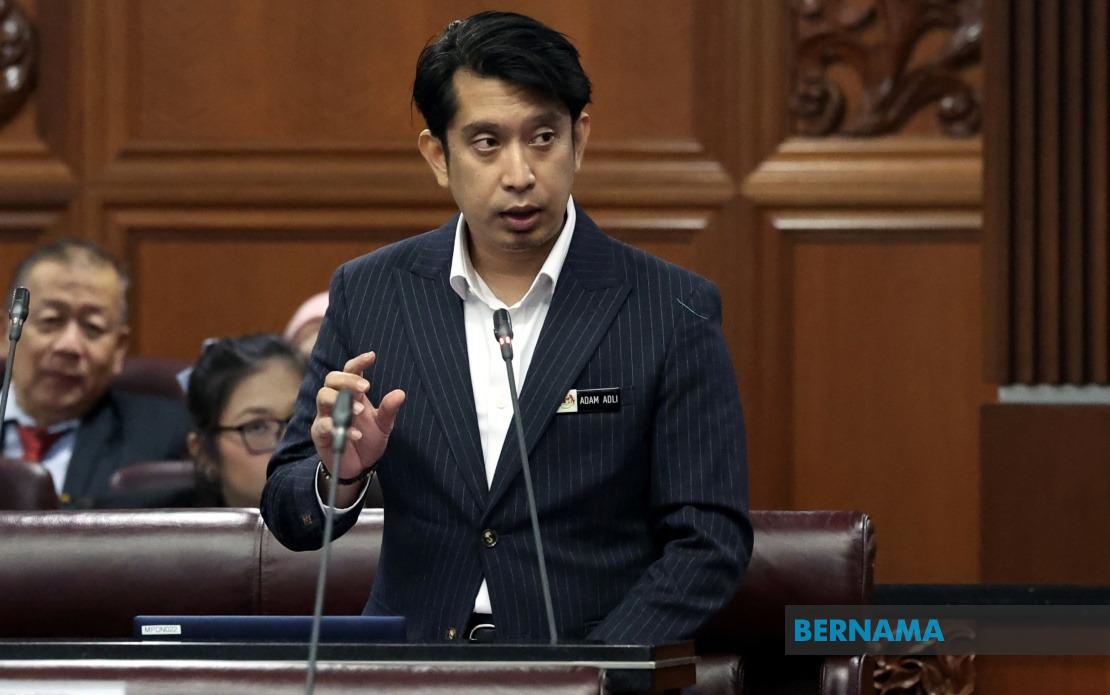
Malaysia's push to democratize technical and vocational training in rural Sarawak has gained momentum with the Ministry of Higher Education's plan to construct a large residential college in Betong. Deputy Minister Adam Adli Abd Halim disclosed that the facility, designed to house approximately 700 students, represents a strategic effort to eliminate accommodation barriers that deter young people from pursuing TVET qualifications in remote regions. The hostel would serve students from both Politeknik Metro Betong Sarawak (PMBS) and Kolej Komuniti Betong, two institutions critical to the state's human capital development.
The proposed facility addresses a longstanding challenge in Malaysian vocational education: the shortage of campus housing in rural and semi-urban areas discourages enrolment and forces students to commute long distances or abandon their studies altogether. By concentrating resources on student welfare infrastructure before pursuing institutional upgrades, the ministry is signalling a matured approach to educational equity that prioritizes foundational support systems over cosmetic administrative changes.
The Sarawak Land and Survey Department has identified an 8.814-hectare federal site in Batu Api district, situated approximately 650 metres from the PMBS campus, as the optimal location for development. This proximity eliminates transportation complications while maintaining operational separation from academic facilities. The land remains under federal ownership, requiring the ministry to secure approval from the Prime Minister's Department for a use-classification change and to navigate any associated regulatory procedures.
Adam Adli's comments arrived during parliamentary proceedings in response to Betong MP Datuk Dr Richard Rapu, who had urged the government to elevate PMBS into a fully independent polytechnic institution. Rather than committing to a wholesale structural overhaul, the ministry opted to reframe the conversation around institutional maturity and prerequisite conditions. This measured stance reflects recognition that administrative reclassification alone cannot remedy underlying constraints; without adequate housing, curriculum diversification, and staffing infrastructure, even a newly branded polytechnic would struggle to achieve its potential.
Currently, PMBS operates significantly below capacity, enrolling 291 students against a maximum intake of 600 across its Diploma in Finance and Diploma in Tourism Management programmes. This utilization rate of roughly 49 percent underscores the genuine obstacles confronting potential learners in Sarawak's interior. The establishment of a well-designed residential facility could substantially alter enrollment trajectories by removing the accommodation variable from students' decision-making calculus.
To catalyze programme diversification and attract wider student interest, PMBS will introduce a Diploma in Business Information Systems commencing in December 2026 during the second academic session of that year. This addition responds to contemporary labour market demands and signals institutional responsiveness to evolving economic needs in Sarawak. The new qualification aligns with regional efforts to develop digital capabilities and positions graduates for roles in the expanding technology and business services sectors across Southeast Asia.
Beyond traditional diploma offerings, PMBS has cultivated a robust portfolio of short-term vocational and skills-development courses under its Lifelong Learning (PSH) programme. Last year, workshops targeting accounting and tourism management professionals attracted 1,137 participants, demonstrating substantial community demand for accessible, focused training interventions. This ecosystem of programmes—ranging from full diplomas to professional upskilling courses—strengthens PMBS's institutional relevance and establishes it as a comprehensive skills-development hub rather than a conventional classroom environment.
While awaiting implementation of the multi-phase hostel project, PMBS has established a Student Residential and Accommodation Management Committee tasked with coordinating welfare services, housing arrangements, and safety protocols for learners currently renting nearby accommodation. This interim governance structure addresses immediate needs whilst the capital project advances through planning and approval phases. It also reflects institutional recognition that student welfare transcends brick-and-mortar facilities, encompassing support systems, mentorship, and community-building activities essential to retention and academic success.
The initiative carries implications extending well beyond Betong itself. Sarawak's geographic dispersal and rural demographic composition create particular challenges in vocational training accessibility that mirror those across Malaysia's eastern regions. A successful Betong model—demonstrating how residential infrastructure can unlock TVET potential in rural communities—could inspire similar investments in comparable locations across Peninsular Malaysia, Sabah, and other peripheral districts. Such replication would advance the government's equity objectives whilst addressing persistent skills deficits in sectors requiring technical expertise.
For Malaysian policymakers navigating the tension between institutional prestige and educational pragmatism, the Betong approach offers instructive lessons. Rather than pursuing status reclassifications that exceed institutional readiness, the ministry has prioritized the foundational infrastructure—housing, support systems, curriculum diversity—necessary for sustainable growth. This sequencing acknowledges that educational institutions, like communities, require robust foundations before undertaking structural transformations. The pathway being charted for Betong emphasizes capacity-building over ceremonial reclassification, setting a potentially more effective template for human capital development in Malaysia's underserved regions.

