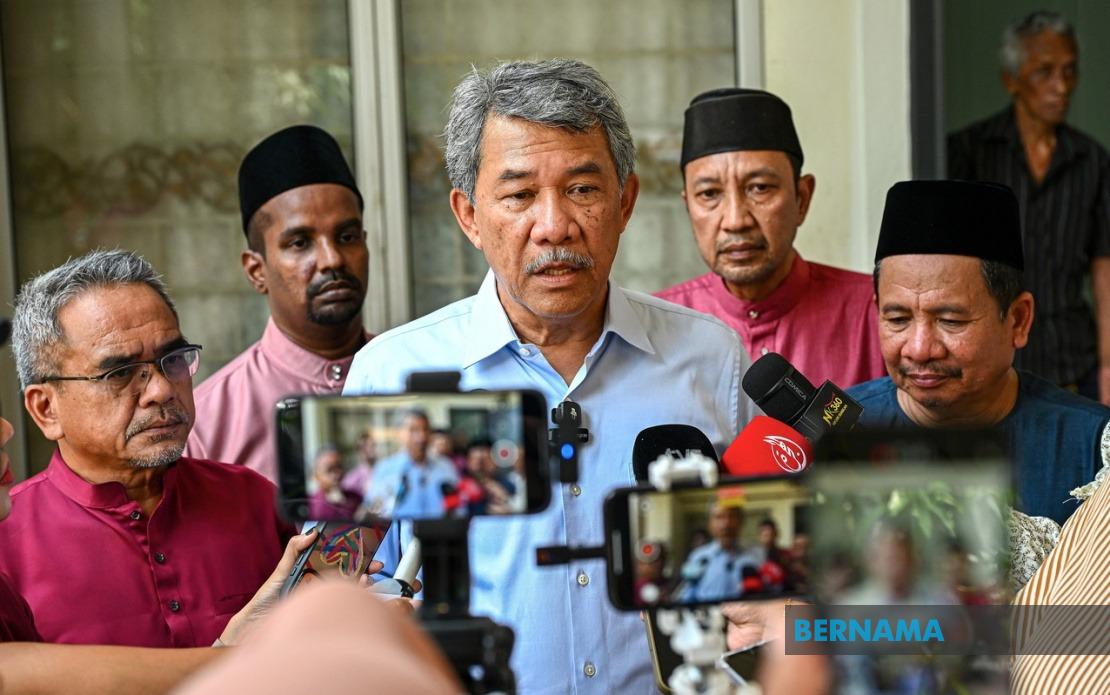
Malaysia's approach to the repatriation of Myanmar nationals currently sheltering within its borders reflects a measured stance that prioritises individual security assessments over rapid mass returns. Foreign Minister Datuk Seri Mohamad Hasan underscored this commitment during an engagement in Seremban, stating that his government would not send refugees back to Myanmar without first ensuring their safety and confirming that conditions in their home country would not jeopardise their lives or wellbeing.
The voluntary return programme being discussed between Kuala Lumpur and Naypyidaw represents one of the more complex humanitarian challenges facing Southeast Asia today. Rather than acceding to proposals for large-scale repatriation exercises, Malaysia has signalled its intention to process returns incrementally, with the Home Ministry (KDN) working closely with the United Nations High Commissioner for Refugees (UNHCR) to verify each refugee's identity and circumstances. This collaborative framework ensures that individuals facing potential persecution or violence upon return will not be forced to leave Malaysian territory.
Mohamad Hasan emphasised that the Ministry of Foreign Affairs would engage directly with Myanmar's diplomatic representatives to coordinate the logistics of these staged movements. The emphasis on gradual processing rather than bulk transfers reflects international humanitarian standards and Malaysia's own obligations under refugee protection frameworks. By maintaining this deliberate pace, the government seeks to avoid the humanitarian pitfalls that have historically accompanied rushed repatriations in other regional contexts.
When media outlets reported that Myanmar's government had expressed readiness to receive 5,000 of its nationals by ship, Malaysia responded by clarifying that it would determine the tempo and scale of returns based on individual readiness rather than aggregate targets. The Foreign Minister highlighted that approximately 1,000 refugees have already been cleared for return, suggesting that movements could commence without waiting for the larger cohort of 5,000 to complete the verification process. This pragmatic approach acknowledges both the humanitarian imperative to facilitate willing returns and the necessity of protecting those who face genuine risk.
The security assessment component of Malaysia's repatriation protocol assumes particular importance given Myanmar's ongoing internal conflict and the targeting of certain ethnic and religious minorities. The UNHCR's involvement in verifying refugee status provides international oversight and reduces the likelihood of individuals being returned to environments where they would face harm. For Malaysia, a nation hosting significant refugee populations, maintaining credible protection standards is essential for preserving its humanitarian reputation and ensuring that future asylum seekers view the country as a place where their fundamental rights will be respected.
Mohamad Hasan's remarks also situated the Myanmar refugee issue within the broader ASEAN framework, noting that member states must address this challenge through collective mechanisms rather than unilateral action. The Five-Point Consensus adopted by ASEAN in April 2021 continues to serve as the diplomatic foundation for regional responses to the Myanmar crisis. This consensus, which calls for a cessation of violence, dialogue facilitation, and humanitarian aid, provides the principles through which Malaysia and its neighbours assess appropriate responses to population movements and repatriation requests.
ASEAN's involvement reflects the understanding that Myanmar's internal instability creates regional consequences. Neighbouring countries including Thailand, Malaysia, and Bangladesh have absorbed large refugee populations fleeing armed conflict and political upheaval. Malaysia's position as a transit and destination country for people fleeing persecution means that its repatriation policies carry weight throughout the region. By demonstrating that returns will only occur when safety conditions have been established, Malaysia reinforces ASEAN's collective commitment to protecting vulnerable populations while maintaining constructive dialogue with Myanmar's government.
The coordination between Malaysia's Home Ministry and the Ministry of Foreign Affairs indicates that repatriation decisions will be grounded in both security analysis and diplomatic engagement. This dual approach requires officials to evaluate both the objective conditions within Myanmar and the relationship between Kuala Lumpur and Naypyidaw, ensuring that humanitarian commitments do not compromise broader diplomatic objectives. The gradual processing framework also allows time for political developments in Myanmar to unfold, with the possibility that conditions could improve in ways that would make repatriation safer for larger cohorts.
For Malaysian readers, this policy reflects the government's navigation of competing pressures. While Malaysia has expressed its intention not to indefinitely host refugee populations, it has equally rejected the notion that burden-sharing justifies inadequate protection standards. This stance will likely influence how other ASEAN nations structure their own repatriation policies, particularly Thailand and Bangladesh, which face even larger displaced populations from Myanmar. The emphasis on verified status and assessed security conditions may establish a regional benchmark for refugee returns.
The repatriation timeline remains uncertain, with neither the Myanmar government nor Malaysia having announced specific schedules for movements. However, Mohamad Hasan's confirmation that returns will proceed on a verified, staged basis suggests that the 1,000 individuals cleared for repatriation could begin moving back to Myanmar in the coming months, pending final coordination arrangements. This measured cadence should allow Malaysia to avoid the logistical challenges and humanitarian complications that arise from sudden mass movements while maintaining momentum toward population reduction.
Looking ahead, Malaysia's approach may serve as a model for other countries managing large refugee populations. By insisting on individual assessment rather than accepting aggregate targets, by requiring security verification before returns commence, and by linking repatriation to broader ASEAN diplomatic initiatives, the government has constructed a framework that balances humanitarian responsibility with practical governance. The success of this model will ultimately depend on whether conditions in Myanmar stabilise sufficiently to justify expanded repatriation, or whether the security situation deteriorates further, requiring Malaysia to maintain its protection of those unable to safely return.

