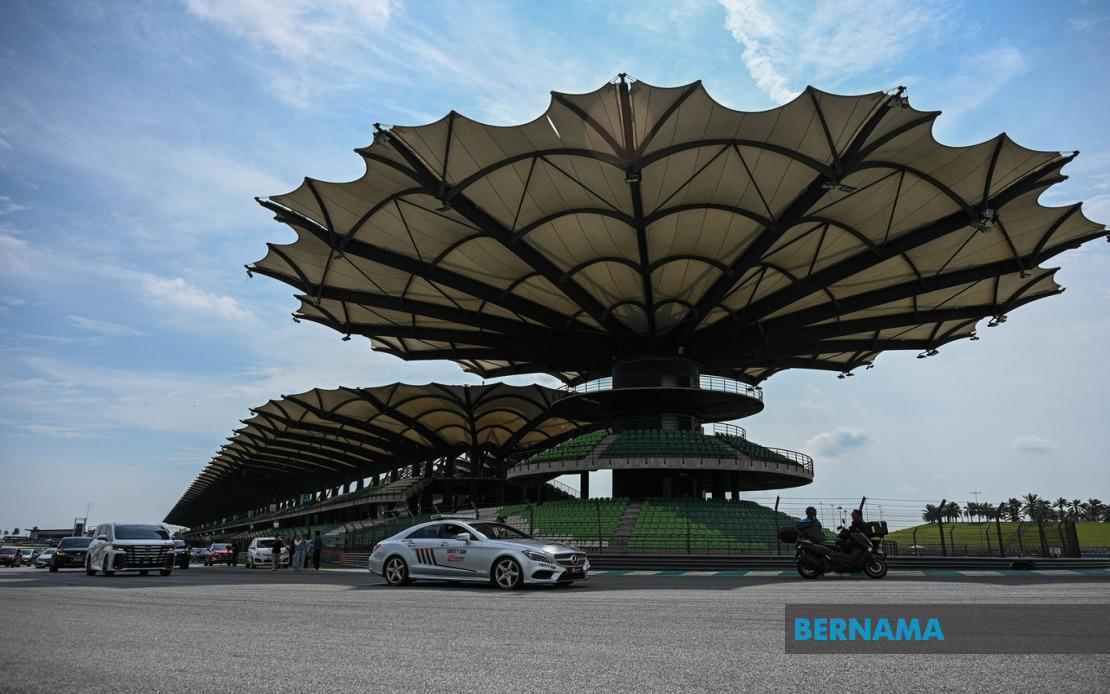
Malaysia will stage the Formula 1 Gulf Air Bahrain Grand Prix at Sepang International Circuit from October 2 to 4, representing a watershed moment in the region's motorsport calendar and a tangible expression of deepening bilateral relations between Kuala Lumpur and Manama. The decision to relocate this prestigious event outside Bahrain's borders for the first time in its 22-year history, while preserving its official designation, signals both the logistical disruption affecting the 2026 F1 championship and the confidence international sporting bodies place in Malaysia's proven track record as a world-class host nation.
The arrangement carries particular symbolic weight given the interconnected leadership dynamics that facilitated the arrangement. Bahrain's Ambassador to Malaysia, Dr Waleed Khalifa Al Manea, emphasised that the collaboration flows directly from the solid personal rapport between His Majesty King Hamad bin Isa Al Khalifa and His Majesty Sultan Ibrahim, King of Malaysia, a relationship that crystallised during the Malaysian monarch's state visit to Bahrain in 2025. At the operational level, the close working relationship between His Royal Highness Prince Salman bin Hamad Al Khalifa, Crown Prince and Prime Minister of Bahrain, and Malaysian Prime Minister Datuk Seri Anwar Ibrahim provided the diplomatic scaffolding necessary to execute such an unconventional arrangement in the space of several months.
For Malaysian motorsport enthusiasts and observers, the announcement rekindled memories of Sepang's glory years as a cornerstone venue on the Formula 1 calendar. The circuit hosted the Malaysian Grand Prix consecutively from 1999 until 2017, during which it earned recognition as one of Asia's premier racing destinations. The final Malaysian Grand Prix, held seven years ago, saw Red Bull Racing's Max Verstappen claim the chequered flag, cementing a legacy of competitive racing and technical excellence. The return of a major F1 event to the circuit represents not merely a commercial opportunity but a symbolic restoration of Malaysia's status in global motorsport after nearly a decade of absence.
Ambassador Al Manea characterised the arrangement as unprecedented in scope, bringing together distinct but complementary strengths from both nations. Bahrain brings deep institutional expertise developed through two decades of hosting the region's flagship motorsport spectacle, while Malaysia contributes extensive operational experience and an established reputation for delivering world-class sporting occasions. This fusion reflects what Al Manea described as a unique collaboration rooted in mutual trust and strategic alignment between the two governments, extending well beyond the confines of the racetrack itself.
The economic spillover effects of hosting such a major international event promise to ripple across multiple sectors. The Bahrain Grand Prix has traditionally attracted global media attention, corporate hospitality demand, and international tourism interest, all of which will flow through Malaysia's economy. Ambassador Al Manea specifically highlighted emerging opportunities in tourism, aviation, transportation, investment, hospitality, and media—sectors that collectively stand to benefit from the anticipated influx of international visitors, teams, sponsors, and broadcasters. The alignment of Gulf Air's decision to launch direct flights between Bahrain and Kuala Lumpur ahead of the race exemplifies how major sporting events catalyse broader infrastructure and connectivity improvements that outlive the event itself.
From a logistical and technical standpoint, the transferability of the Bahrain Grand Prix to Malaysia owes something to architectural continuity. Both Sepang International Circuit and the Bahrain International Circuit were designed by Hermann Tilke, the renowned German circuit architect whose fingerprint appears across numerous modern Formula 1 venues worldwide. This shared design heritage means that while separated by geographical distance and cultural context, both circuits share fundamental characteristics that allow for seamless adaptation of technical infrastructure, safety protocols, and operational procedures—a factor that substantially reduced the complexity of relocating such a major event.
The reception among Formula 1 teams and drivers signals broad enthusiasm for the arrangement. Multiple squads took to social media to share archival footage from previous Malaysian Grand Prix campaigns, a gesture indicating both nostalgia for Sepang's heritage and forward-looking optimism about the circuit's resurrection as a contemporary F1 venue. The motorsport community's largely positive response suggests confidence that Malaysia possesses the institutional capacity and technical readiness to execute the event according to international standards, a crucial consideration given the demanding safety and operational requirements of modern Formula 1 racing.
From a Malaysian perspective, hosting the Bahrain Grand Prix underscores the nation's continuing relevance within the Asian motorsport ecosystem despite the hiatus in hosting Formula 1 races. The event demonstrates that Kuala Lumpur retains diplomatic capital and operational credibility sufficient to attract major international sporting occasions at short notice. This matters strategically in a region where sporting events increasingly serve as vehicles for soft power projection and economic development, with countries across Southeast Asia competing for premium events that generate media exposure, tourism revenue, and infrastructural improvements.
The arrangement also highlights Malaysia's value as a diplomatic bridge-builder in the Middle Eastern context. The decision to stage a Bahrain-branded event on Malaysian soil, rather than relocating the race to another Gulf nation or a neutral venue, reflects confidence in Malaysia's ability to maintain strong relations across the region while avoiding perceptions of favouritism or alignment with particular blocs. This positioning carries subtle but genuine implications for Malaysia's regional diplomacy and its standing among Gulf Cooperation Council nations.
Looking ahead, the October race will test Sepang's readiness to meet contemporary Formula 1 expectations after seven years outside the championship calendar. The circuit will require comprehensive facility upgrades, safety system modernisation, and comprehensive preparation across accommodation, transport, and hospitality infrastructure. Successfully executing the Bahrain Grand Prix would position Malaysia as a viable contender for hosting future Formula 1 events and reinforce Sepang's status within the global motorsport landscape.

