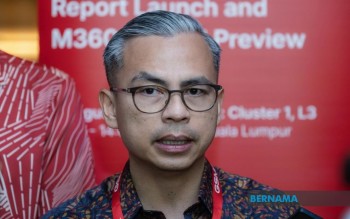
Kuala Lumpur has been selected to host the inaugural M360 ASEAN 2026 conference, marking a significant diplomatic and economic win for Malaysia's technology sector. Communications Minister Datuk Seri Fahmi Fadzil announced the honour on September 9 and 10, positioning the nation as a pivotal hub for regional digital dialogue during a transformative period for Southeast Asian telecommunications and artificial intelligence development.
The event, organised by the GSM Association (GSMA), represents a milestone moment not only for Malaysia but for the entire ASEAN region. This marks the first instance that M360, a major global telecommunications conference series, will be held anywhere within Southeast Asia, underscoring the region's growing significance in the digital economy. The selection reflects international confidence in Malaysia's regulatory framework, infrastructure capabilities, and commitment to emerging technologies.
Minister Fahmi emphasised that hosting M360 ASEAN 2026 would provide a strategic platform for regional dialogue on critical technology issues. The conference will convene telecommunications operators, technology vendors, industry experts, institutional investors, academic researchers, and government officials from across ASEAN member states. This convergence of stakeholders creates unprecedented opportunities for knowledge exchange and policy coordination on regional digital priorities.
According to economic projections presented by the GSMA, mobile technologies and services are poised to become a dominant force in regional growth. The report forecasts that mobile sector contributions to the Asia-Pacific economy will reach US$1.4 trillion by 2030, representing a substantial 40 per cent expansion from the current US$1 trillion baseline. This trajectory underscores why telecommunications policy and AI governance have become central to national and regional development strategies.
The economic momentum reflects structural shifts in how digital infrastructure drives broader prosperity. Beyond simple connectivity metrics, the region faces interconnected challenges that will determine which nations and companies thrive in coming decades. Mobile technologies serve as the backbone for financial inclusion, e-commerce penetration, and digital service delivery across Southeast Asia, where smartphone adoption rates already exceed those in developed markets in several countries.
Four converging priorities will shape substantive discussions at the conference, each with distinct implications for Malaysian and regional stakeholders. The rapid proliferation of artificial intelligence across telecommunications networks represents both opportunity and challenge. AI applications optimise network performance, enhance customer service through automation, and enable predictive infrastructure management. However, integrating AI responsibly into telecommunications systems requires careful navigation of ethical, security, and workforce considerations.
Digital trust has emerged as a critical vulnerability across Asia-Pacific markets. Consumer confidence in digital services depends on robust data protection, cybersecurity resilience, and transparent corporate governance. Recent high-profile data breaches and disinformation campaigns have exposed gaps in regional security standards. Establishing shared frameworks for digital trust will be essential for unlocking consumer spending on digital financial services and e-commerce platforms.
The demand for more resilient digital infrastructure reflects geopolitical realities and climate vulnerabilities facing Southeast Asia. Telecommunications networks must withstand natural disasters, extreme weather events, and potential disruptions to supply chains. Building redundancy and geographical diversity into backbone infrastructure requires coordinated investment and policy frameworks that encourage both competition and essential redundancy.
Growing interest in digital sovereignty represents perhaps the most contentious priority. ASEAN nations increasingly seek to ensure that critical digital infrastructure, data governance, and technology standards reflect regional values and economic interests rather than external impositions. This encompasses questions about data localisation requirements, technology source diversification, and indigenous capability development. Digital sovereignty debates particularly affect telecommunications companies and technology providers operating across multiple regulatory jurisdictions.
For Malaysia specifically, hosting M360 ASEAN 2026 amplifies its profile as a regional technology leader and policy innovator. The nation has invested heavily in telecommunications infrastructure, digital financial services, and artificial intelligence research initiatives. The conference provides opportunity to showcase Malaysia's regulatory maturity, attract foreign investment in technology sectors, and position Malaysian companies as regional innovators.
The conference also carries implications for Malaysia's technology workforce and academia. Hosting international experts and executives drives knowledge transfer, creates networking opportunities for local professionals, and potentially attracts talent to Malaysian technology hubs. Universities and research institutions gain exposure to cutting-edge industry developments and can align research priorities with commercial opportunities.
Regionally, the inaugural M360 ASEAN conference demonstrates Southeast Asia's maturation as a technology market warranting global attention. Previous M360 conferences have primarily served individual national markets or developed regions. Dedicating a conference series iteration to ASEAN signals acknowledgement that the region's digital challenges and opportunities demand coordinated exploration distinct from broader Asia-Pacific conversations.
The September timing provides several months for Malaysian government agencies, telecommunications operators, and technology companies to prepare comprehensively. Active engagement from Malaysian stakeholders in conference planning will shape discussions toward issues particularly relevant to the nation's digital transformation agenda. This strategic preparation period offers opportunity to position Malaysian perspectives as thought leadership during regional digital governance debates.

