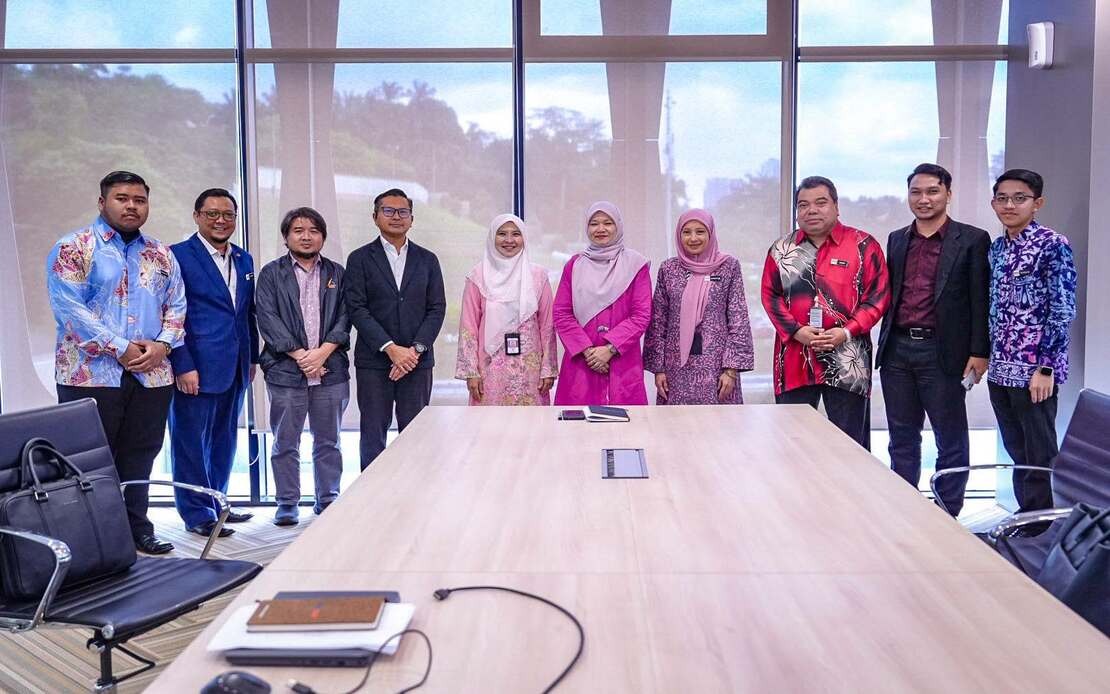
Malaysia's Education Ministry has committed to implementing a broad-based awareness campaign centred on three critical pieces of legislation designed to protect children in educational settings. The initiative, announced following a high-level meeting between Education Minister Fadhlina Sidek and Malaysia's Human Rights Commission (SUHAKAM), will focus on building understanding of the Child Act 2001, the Anti-Bullying Act 2026, and the Sexual Offences Against Children Act 2017 among school communities nationwide.
The collaborative effort between the two institutions emerged from discussions that addressed pressing concerns affecting Malaysian students. During the meeting led by SUHAKAM's Children's Commissioner Dr Farah Nini Dusuki and Dr Mohd Al Adib Samuri, both parties identified bullying and sexual harassment as significant issues requiring sustained intervention across the education system. The advocacy programmes represent an acknowledgment that legal frameworks alone cannot adequately protect children without corresponding public awareness and institutional implementation.
Minister Fadhlina's announcement underscores the government's commitment to creating safer learning environments through informed action. By targeting the education sector specifically, the advocacy drive recognises that schools are critical touchpoints where children spend substantial portions of their formative years. The focus on three distinct legislative areas reflects the multifaceted nature of child protection, addressing not only sexual offences but also peer-to-peer harm and broader welfare considerations enshrined in existing legislation.
The Child Act 2001 serves as the foundational framework governing child protection in Malaysia, establishing rights and responsibilities across family, judicial, and child welfare contexts. Many parents, educators, and young people themselves remain unfamiliar with the specific protections this law affords, limiting its practical effectiveness. The proposed advocacy programme aims to demystify these provisions and ensure stakeholders understand how the Act translates into concrete protections within school settings and family units.
The Anti-Bullying Act 2026 represents relatively new legislation that has not yet achieved widespread awareness among Malaysian school communities. As a recently enacted measure, schools and parents require clear guidance on its provisions, enforcement mechanisms, and how bullying incidents should be reported and addressed. The timing of the advocacy rollout is strategic, as implementation of new laws benefits from coordinated educational campaigns that build understanding from the ground level rather than relying on piecemeal awareness over time.
The Sexual Offences Against Children Act 2017 addresses one of the most serious threats to child safety. Despite being in effect for several years, cases continue to emerge where inadequate knowledge of reporting procedures, victim support services, or warning signs has hampered protective efforts. School-based advocacy can equip teachers, counsellors, and students themselves with critical information about recognising concerning behaviour, understanding consent frameworks appropriate to their age, and accessing help when needed.
The partnership between the Education Ministry and SUHAKAM demonstrates recognition that child protection transcends individual institutions. SUHAKAM's role as an independent human rights body brings credibility and expertise grounded in international standards for child rights. The commission's involvement ensures that advocacy messaging aligns with established best practices and reflects evidence-based approaches to child safeguarding. This institutional collaboration signals to school administrators and educators that child protection is a government priority deserving resource allocation and professional attention.
For Malaysian parents, the advocacy initiatives offer pathways to better understand their children's rights and their own responsibilities in creating protective home environments. Many parents may lack awareness of how to support children who experience bullying or harassment, or recognise warning signs of sexual abuse. School-based programmes can extend beyond students to reach families through parent briefings, informational materials, and community engagement sessions that translate complex legislation into practical guidance.
The regional context adds significance to this initiative. Southeast Asia has documented concerning prevalence rates of bullying and child sexual abuse, with varying legal frameworks across nations. Malaysia's proactive approach to integrated awareness campaigns positions it as a regional model for operationalising child protection legislation. Students, teachers, and parents observing these efforts in Malaysian schools may inspire similar initiatives elsewhere in the region, creating a positive demonstration effect for child safety advocacy.
Implementing these programmes requires sustained effort and adequate resourcing. Ministry officials will need to develop age-appropriate educational materials, train educators to deliver advocacy sessions with competence and sensitivity, and establish feedback mechanisms to assess programme effectiveness. Schools must allocate time within existing curricula to accommodate new awareness modules without creating additional burden on already stretched teaching schedules. The success of this initiative depends not merely on announcing programmes but on ensuring they reach all corners of Malaysia's diverse education system, including rural and underserved communities.
The statement that child welfare remains a government priority carries implications extending beyond formal legal compliance. Fadhlina's emphasis that there will be no compromise on children's rights reflects an understanding that protection requires consistent institutional commitment, adequate funding, and accountability mechanisms. As the programmes unfold across schools nationwide, monitoring and evaluation will be essential to determine whether awareness translates into measurable improvements in child safety and reporting of harmful incidents.
Looking forward, the success of this advocacy initiative may inform broader government approaches to implementing other legislation affecting vulnerable populations. If schools effectively become venues for public understanding of complex laws, similar partnerships between SUHAKAM and relevant ministries might address other human rights concerns. The collaboration model itself—bringing together enforcement agencies with independent human rights bodies—offers a template for ensuring legislation achieves its protective purpose rather than remaining abstract legal text distant from the lived experience of those it seeks to protect.

