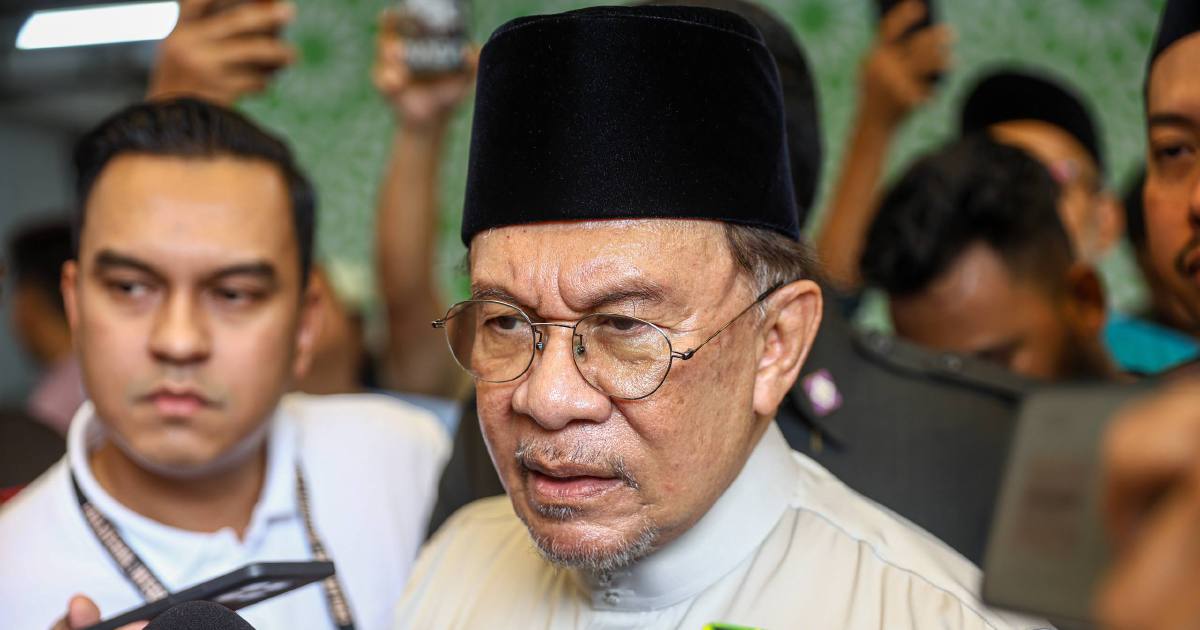
Prime Minister Datuk Seri Anwar Ibrahim has made clear that any potential pardon from the United States for fugitive businessman Low Taek Jho, commonly known as Jho Low, will have no bearing on Malaysia's independent legal and diplomatic stance towards the high-profile fugitive.
The statement comes amid ongoing international speculation about the possible use of executive clemency in the final weeks of various US administrations, a power that has become increasingly controversial in recent years. Anwar's declaration signals Malaysia's determination to pursue its own legal remedies through established channels, regardless of developments in the American justice system or political theatre that may occasionally grant clemency to internationally wanted figures.
Jho Low remains one of the world's most wanted individuals in connection with the 1Malaysia Development Berhad scandal, a sprawling corruption case that has reverberated across the region for nearly a decade. The businessman, who allegedly orchestrated one of the largest financial frauds in history, has managed to evade capture despite being linked to the misappropriation of billions of ringgit from the sovereign wealth fund. His disappearance and continued evasion of authorities have become emblematic of the challenges law enforcement agencies face when pursuing financial criminals across multiple jurisdictions.
The conviction of former Prime Minister Najib Razak in relation to the 1MDB affair demonstrated Malaysia's commitment to pursuing justice through its domestic courts, even against the nation's highest office. Najib's case set a significant precedent and underscored the judiciary's willingness to hold powerful figures accountable. However, the continued absence of Jho Low himself has left a critical gap in Malaysia's quest for comprehensive justice and the recovery of stolen state assets.
Malaysia's resolve on this matter carries particular significance for Southeast Asian perceptions of accountability and the rule of law. The region has watched closely as various countries attempted to hold their officials and connected private citizens responsible for corruption and financial crimes. A wavering stance from Kuala Lumpur would send conflicting signals about the seriousness with which Malaysia treats the theft of public funds and the obligation to cooperate with international justice mechanisms.
The possibility of a US pardon represents a potential complication in the extradition and prosecution efforts that have been coordinated across multiple countries. The United States has pursued its own charges against Jho Low related to money laundering and conspiracy, and American courts have already ruled on aspects of the case. Any clemency decision would fundamentally alter the legal landscape in America but would not diminish Malaysia's independent right to seek justice for crimes committed against its own citizens and state institutions.
Anwar's statement also reflects the broader principle that individual nations maintain sovereignty over their judicial processes and cannot be swayed by external decisions. International cooperation on crime fighting depends fundamentally on each jurisdiction maintaining its own investigative and prosecutorial independence. When one country's executive decides to pardon a criminal, it does not invalidate the legal claims of other nations or erase the damage inflicted on their treasuries and institutions.
The 1MDB case has already resulted in significant recoveries of misappropriated funds through civil suits and international asset recovery initiatives, though a substantial portion of the stolen wealth remains unaccounted for. Jho Low's continued freedom, whether in hiding or through legal pardon, represents an affront to these recovery efforts and to the Malaysian public's expectation that their stolen heritage will be pursued relentlessly. The amounts involved are substantial enough to matter to Malaysia's development priorities and fiscal health.
Diplomatic channels remain open for Malaysia to coordinate with other affected nations and international bodies should any such pardon materialise. The United Nations and regional organisations provide frameworks for discussing such matters, and Malaysia's trading partners and allies are aware of the strategic and economic implications of allowing major financial criminals to escape justice. The consequences of apparent impunity would extend beyond bilateral relations and touch upon questions of international norm-setting.
For Malaysian citizens, Anwar's unequivocal statement provides assurance that the government will not abandon its pursuit of those responsible for the largest peacetime theft in the nation's history. Public confidence in institutional accountability depends on seeing such commitments followed through with sustained legal action and diplomatic pressure. The battle to recover stolen assets and bring fugitives to justice may take years, but the government's unwavering position forms the legal and moral foundation upon which such efforts must be built.
The dynamics of international extradition and cooperation remain complex, with no single country's decisions determining another's course of action. Malaysia's independence in this matter reflects both its legal entitlements and its broader commitment to upholding the rule of law within its own borders.

