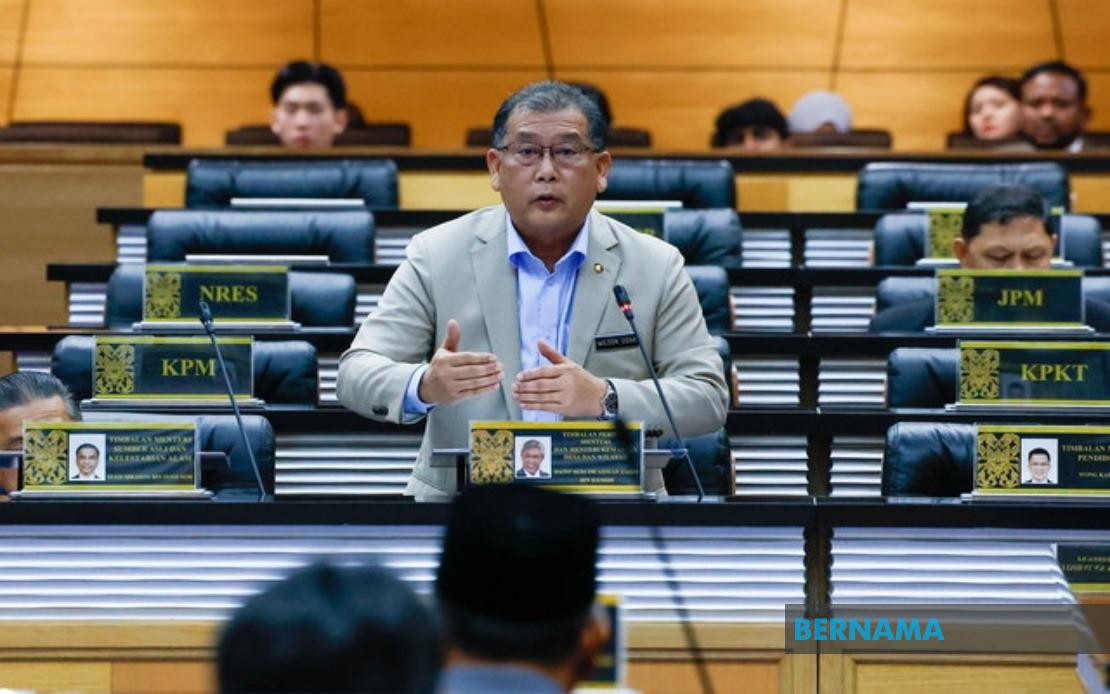
Malaysia is advancing its disaster preparedness infrastructure with the staged rollout of 15 permanent disaster relief centres across nine states, a significant shift in how the nation responds to emergencies. Deputy Digital Minister Datuk Wilson Ugak Kumbong announced during today's parliamentary session that the initiative, introduced in 2023, marks a departure from the traditional reliance on school premises as emergency shelters—a practice that frequently disrupts the academic calendar and creates logistical challenges during flood seasons.
The distribution of these facilities reflects the government's methodical approach to infrastructure development. Two centres, located in Johor and Pahang respectively, have been fully completed and are operational. An additional nine centres are currently under active construction, while four remain in earlier stages of procurement and planning. This phased deployment allows the government to assess operational effectiveness and refine procedures before expanding the network nationwide, a particularly important consideration given Malaysia's diverse geographic and climatic conditions across different states.
The dual-functionality concept embedded in these centres represents an innovative approach to public asset utilisation. Unlike temporary relief centres that sit idle between disaster seasons, permanent disaster relief centres serve as community facilities during normal periods, hosting cultural events, training sessions, and recreational activities. This design philosophy addresses a longstanding inefficiency in disaster management infrastructure, where substantial capital investments have traditionally generated minimal returns during extended periods without emergencies. By integrating community use with emergency capacity, the centres justify their operational costs and maintain staff readiness throughout the year.
Each facility has been thoughtfully designed to accommodate large numbers of displaced persons with appropriate dignity and comfort. The centres feature open hall spaces capable of sheltering up to 500 victims, comprehensive dining and food preparation areas, medical treatment rooms, accessible sanitation facilities for persons with disabilities, prayer spaces, and specifically designated zones for vulnerable populations such as elderly persons and children. This comprehensive approach reflects lessons learned from previous flood events where inadequate facilities amplified psychological trauma among evacuees.
The selection process for establishing centres prioritises areas with documented histories of severe flooding and repeated displacement. Rather than adopting a uniform national template, the government has established a hierarchical approval mechanism through which proposals must first be evaluated by State Disaster Management Committees before advancing to the National Disaster Management Agency for final assessment. This structure balances local knowledge and state-level priorities with national standards and funding considerations, ensuring that resources are deployed where they will provide maximum benefit.
While the permanent centres programme develops, the government has implemented interim measures to strengthen disaster response capacity. The National Disaster Management Agency allocated RM4.44 million in April to upgrade existing temporary relief centres at 25 schools under the Ministry of Education's oversight. These enhancements address immediate infrastructure gaps while permanent facilities are constructed. Additionally, the agency provides maintenance grants of up to RM50,000 for temporary centres activated during the Northeast Monsoon season, ensuring that even transitional facilities meet operational standards when deployed.
The implications for Malaysian society extend beyond physical infrastructure. By removing the practice of converting schools into emergency shelters, the initiative protects educational continuity during flood seasons—a critical factor in a region where monsoon patterns create predictable periods of displacement. Students in flood-prone areas will no longer face disrupted learning schedules, allowing schools to maintain consistent academic calendars and reducing the cascading effects of interrupted education on student achievement and development. For parents and communities, this separation of emergency and educational functions provides reassurance that children's schooling remains protected even during disaster periods.
Deputy Minister Ugak emphasised that disaster management represents a shared national responsibility rather than a burden exclusively borne by government agencies. Effective preparedness requires coordinated action across federal authorities, state governments, private sector partners, and community organisations. This comprehensive approach acknowledges that while government provides infrastructure and coordination, communities themselves constitute the frontline of disaster response through early warning systems, voluntary evacuation assistance, and mutual aid. The permanent centres serve as focal points where this whole-of-society coordination can be practiced and refined.
The expansion of permanent disaster relief centres across nine states demonstrates Malaysia's commitment to transforming ad-hoc emergency responses into systematic, planned disaster management. As climate variability and urbanisation intensify pressures on existing systems, these facilities provide structural resilience. For Southeast Asian neighbours monitoring Malaysia's approaches, this model offers a template for balancing emergency preparedness with efficient use of public resources during non-disaster periods. The centres represent investment not merely in response capability but in the dignity and wellbeing of citizens during their most vulnerable moments.

