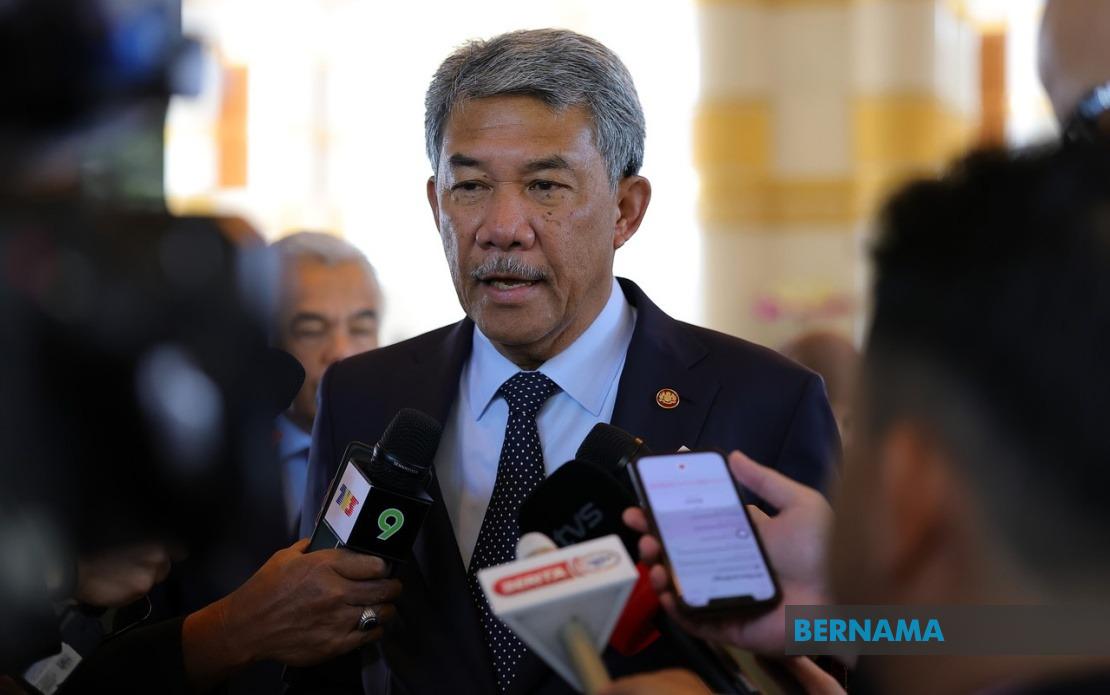
Malaysia's Foreign Minister Datuk Seri Mohamad Hasan has signalled the government's intention to harness ASEAN's collective diplomatic framework in tackling the transboundary haze crisis currently affecting multiple areas across Southeast Asia. Speaking during an official visit to Brunei, Mohamad emphasised that the regional bloc remains the most suitable platform for resolving challenges that transcend national boundaries and affect member states collectively.
The approach reflects a deliberate strategy to address environmental concerns through established multilateral channels rather than bilateral engagement alone. Mohamad noted that the Ministry of Natural Resources and Environmental Sustainability (NRES) would formally communicate with the ASEAN Secretariat regarding the haze situation. This administrative step underscores Malaysia's commitment to elevating the issue within the region's institutional framework, ensuring it receives attention at the appropriate diplomatic level.
Beyond the ASEAN pathway, Malaysia intends to maintain direct engagement with Indonesia on the matter. NRES Minister Datuk Seri Arthur Joseph Kurup will correspond with his Indonesian counterpart to address concerns about transboundary pollution. This dual-track approach—combining both multilateral and bilateral mechanisms—demonstrates a nuanced understanding that environmental challenges require coordinated action across multiple diplomatic channels simultaneously.
The timing of these diplomatic initiatives coincides with high-level discussions between Malaysian and Brunei leadership. During his three-day working visit to Bandar Seri Begawan, Mohamad participated in the 27th Malaysia-Brunei Exchange of Letters meeting and is preparing for the 27th Malaysia-Brunei Annual Leaders' Consultation. Malaysian High Commissioner to Brunei Datuk Mohd Aini Atan previously indicated that Prime Minister Datuk Seri Anwar Ibrahim and Sultan of Brunei Sultan Hassanal Bolkiah would address the haze crisis during their bilateral talks, acknowledging the shared concern both nations face from regional air quality deterioration.
The severity of the current haze situation cannot be understated, with real-time air quality measurements revealing alarming pollution levels across Malaysian territories. Data from the Malaysian Air Pollutant Index Management System (APIMS) portal recorded Serian District Police Headquarters in Sarawak at an API reading of 217 as of mid-afternoon on August 21, placing it firmly in the "very unhealthy" category where public health risks intensify significantly. This reading indicates that the atmospheric conditions have degraded to levels where vulnerable populations—including children, elderly persons, and those with respiratory conditions—face meaningful health hazards from continued exposure.
Beyond Serian, the pollution extends across a broad geographical swath of Sarawak. Nine additional locations registered "unhealthy" API classifications, ranging from Sri Aman at 186 to Kapit at 108. Kuching, the state capital, recorded 171, while other major population centres including Sibu, Samarahan, and Bintulu experienced readings between 153 and 170. This widespread distribution of elevated pollution levels suggests the haze phenomenon transcends localised pockets and represents a regional atmospheric event affecting multiple jurisdictions simultaneously.
Malaysia's decision to prioritise ASEAN mechanisms reflects the understanding that transboundary haze typically originates from land-clearing and agricultural burning activities in neighbouring countries, particularly during dry seasons. The regional nature of the problem demands coordinated responses that transcend unilateral action. Individual nations implementing domestic air quality management cannot effectively address pollution sources located beyond their borders, necessitating collective commitments to land management practices and seasonal burning prohibitions across Southeast Asia.
The ASEAN framework offers several advantages for addressing such shared environmental challenges. The bloc has established protocols for regional cooperation on environmental matters and maintains institutional structures designed specifically for cross-border issue resolution. By formalising the haze crisis as an ASEAN concern, Malaysia positions the issue for discussion at higher political levels, potentially enabling coordinated pressure on source countries to adopt stricter environmental controls and monitoring mechanisms.
From a Malaysian perspective, particularly for Sarawak and Peninsular regions experiencing the worst air quality impacts, the diplomatic approach carries practical implications for public health management. Elevated API readings correlate with increased hospital admissions, respiratory complications, and economic disruptions affecting commerce and tourism sectors. The urgency of achieving diplomatic solutions thus extends beyond environmental stewardship into immediate public welfare considerations.
Indonesia remains the primary focus of these diplomatic overtures, given the established pattern of transboundary pollution originating from Indonesian peatland burning and deforestation. Previous haze episodes have similarly traced their origins to land-clearing practices in Sumatra and Kalimantan. Malaysia's willingness to engage through ASEAN structures rather than adopting adversarial bilateral accusations suggests a preference for collaborative problem-solving that respects Indonesian sovereignty while advocating for environmental protection. This diplomatic posture seeks sustainable solutions through mutual agreement rather than confrontation.
The involvement of multiple Malaysian ministries—with both Foreign Affairs and NRES taking coordinated action—demonstrates institutional alignment on the crisis response. This bureaucratic coordination ensures that diplomatic overtures maintain consistency with technical environmental expertise and policy implementation capabilities. When international negotiations culminate in agreements, domestic agencies must possess the capacity to translate commitments into concrete environmental management practices.
For Southeast Asian readers, Malaysia's diplomatic initiative carries broader significance for regional environmental governance. The haze crisis represents one of several transboundary environmental challenges affecting ASEAN member states, including maritime pollution, deforestation, and water resource management. Establishing effective multilateral mechanisms for addressing the current haze situation could establish precedents and institutional practices applicable to other shared environmental concerns. The success or failure of ASEAN's collective response to transboundary haze may shape the bloc's capacity to address future environmental crises.

