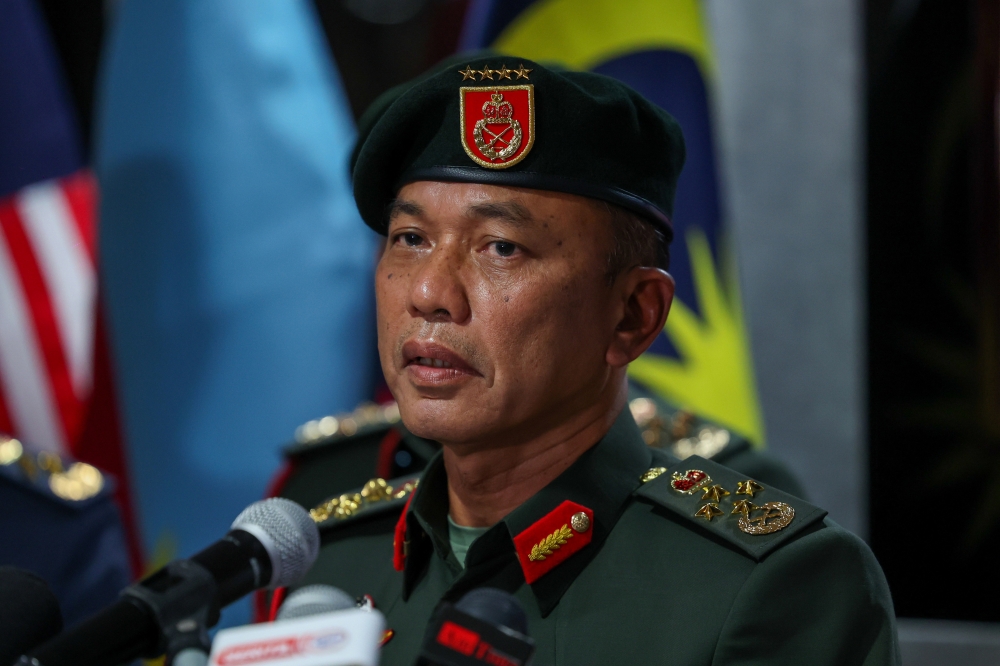
The Malaysian Army has moved to counter allegations of sexual assault against one of its personnel that gained traction on social media, asserting that its own internal investigation contradicts the narrative presented in the viral claims. The statement represents an effort by military leadership to address mounting public concern while defending the credibility of its investigative processes in a case that has drawn significant online attention.
Internal military investigations conducted by the TDM concluded that evidence and witness statements collected during their probe did not support the allegations as they had been publicly characterized. The army's position reflects broader institutional pressure to maintain public confidence in military accountability mechanisms, particularly in cases involving serious criminal allegations that can rapidly amplify through digital platforms.
Viralised accusations on social media have created a parallel narrative that extends beyond the formal investigative channels available to military authorities. The disconnect between the army's findings and public perception highlights the challenge faced by institutions seeking to manage reputational concerns when allegations circulate through unverified online networks where claims can spread faster than official responses.
The case underscores growing tensions between traditional institutional accountability structures and the speed at which allegations now propagate across digital networks in Malaysia. Social media has democratized the ability to publicize grievances, but this shift simultaneously complicates the verification process and creates parallel justice narratives that may exist independently of formal investigations.
Military authorities have historically maintained tight control over investigations involving their personnel, citing operational security and the sensitivity of cases involving force members. This approach, while grounded in institutional protocols, can sometimes reinforce public skepticism when outcomes appear to contradict widely-shared accounts circulating online. The opacity inherent in closed military inquiries often collides with contemporary expectations for transparency and public disclosure.
The timing and visibility of the allegations suggest broader societal conversations about accountability within uniformed services in Malaysia. Public discourse increasingly demands greater institutional responsiveness to sexual assault claims, particularly following regional movements emphasizing survivor narratives and questioning traditional power structures. The army's emphasis on contradictory investigation findings, while procedurally sound, may be perceived by some observers as defensive rather than victim-centered.
Such allegations carry significant implications for military recruitment, institutional morale, and public confidence in the armed forces. When serious accusations emerge, the military institution faces competing pressures: demonstrating rigorous internal accountability while simultaneously protecting the reputation of the service and its broader membership. This balance remains precarious, especially when allegations gain viral prominence before institutional processes can conclude.
The Malaysian context adds particular dimensions to this dispute. Armed forces maintain considerable institutional authority and deference within Malaysian society, yet increasing digitalization and generational shifts have begun challenging automatic acceptance of military pronouncements. Younger, more internet-connected populations may be more skeptical of closed institutional investigations, particularly in cases involving allegations that resonate with broader movements addressing sexual violence.
Questions surrounding the transparency of military investigations remain pertinent even when authorities conclude that allegations lack substantiation. Observers questioning the army's findings may point to structural asymmetries inherent in institutions investigating their own members, where institutional self-preservation interests could theoretically influence investigative outcomes. This foundational concern persists regardless of the specific merits of any individual case.
The case also reflects evolving legal and social expectations regarding sexual assault allegations in Southeast Asia. Regional courts and public opinion increasingly recognize that survivors face formidable barriers when pursuing accountability, whether through formal justice systems or institutional channels. Viral allegations sometimes emerge precisely because survivors or their supporters perceive formal mechanisms as inadequate or inaccessible.
Forward-looking, this incident may prompt the military to consider enhanced transparency measures in future investigations involving serious allegations. Publishing redacted investigation summaries, involving independent oversight bodies, or engaging victim advocacy organizations might strengthen institutional credibility when allegations emerge publicly. Such procedural reforms could address the gap between official findings and public perception.
The military's statement defending its investigation represents a necessary institutional response, yet it may not fully resolve the underlying tensions between closed investigative processes and public expectations for accountability. As Malaysia continues navigating the intersection of traditional institutional authority and digital-age transparency demands, cases like this will likely recur, testing whether existing structures can adapt to contemporary requirements for both thoroughness and openness.

