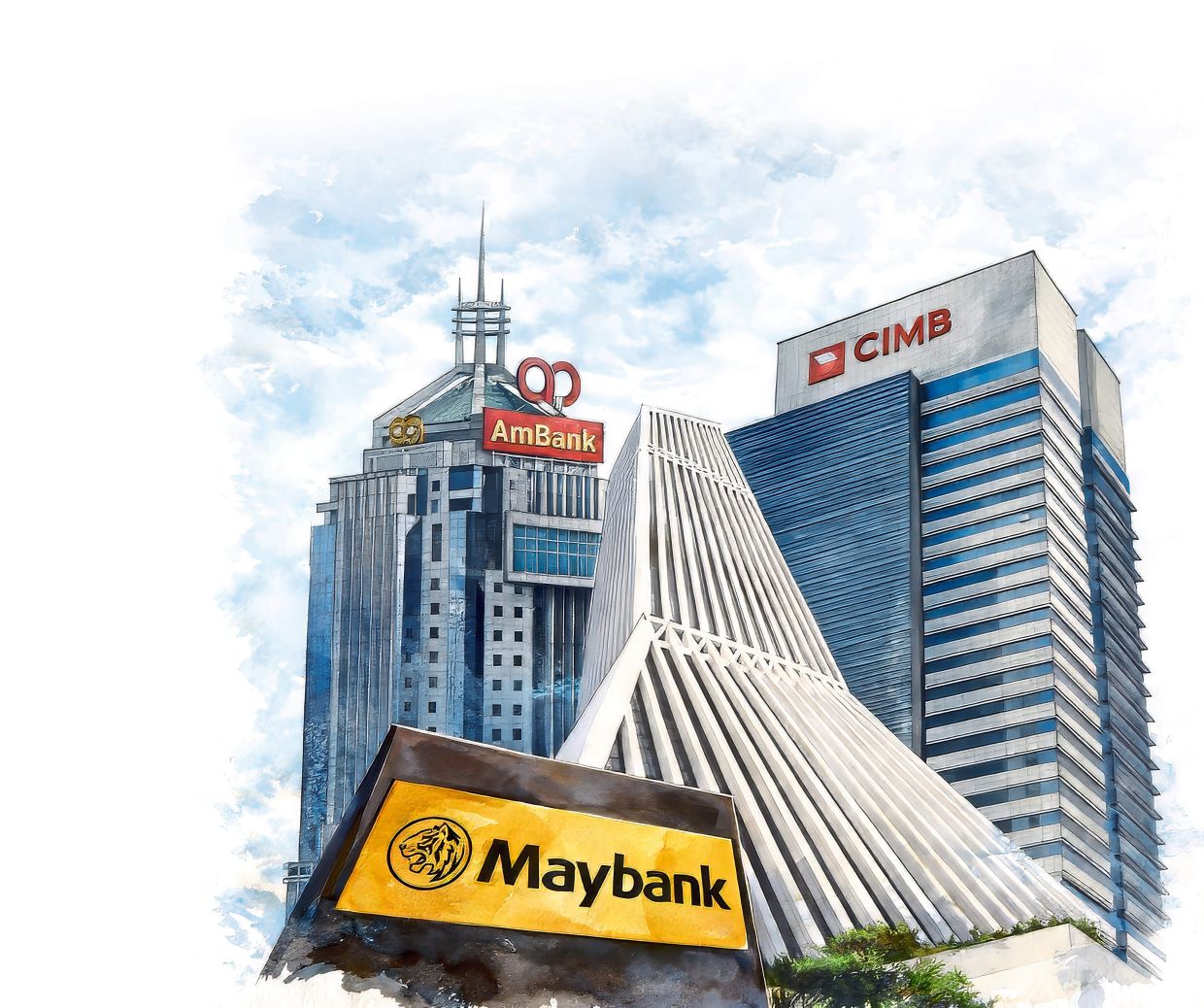
The Malaysian banking sector stands at a critical juncture as it transitions into the second half of 2026, with industry observers divided on whether recent geopolitical de-escalation will translate into a stabilising force or merely postpone deeper economic challenges. After years of benefiting from elevated interest rates and steady economic expansion, the sector has experienced a notable shift in investor sentiment. Recent quarterly results, while broadly stable, revealed cracks in profitability as geopolitical tensions and international conflicts weighed on returns, prompting market participants to divest from bank stocks across the region.
The backdrop for this uncertainty stems from conflicting signals emanating from different parts of the global economy. On one hand, the latest de-escalation between the United States and Iran has eased concerns about a prolonged energy shock that could devastate emerging market economies and trigger widespread credit deterioration. This development has prompted a reassessment of tail risks that analysts were pricing into banking valuations throughout the first half of the year. However, this silver lining comes with a complicating factor: the broader monetary policy stance adopted by the United States Federal Reserve appears to be tilting towards a more restrictive posture, suggesting that interest rates may remain elevated for an extended period rather than declining as some had anticipated.
CIMB Research banking analyst Ei Leen Tan has been among the most vocal in articulating this dual-force dynamic. Her assessment suggests that the combination of reduced geopolitical risks and a more hawkish Federal Reserve creates what she terms an "important reset" for Malaysian lenders heading into the second half of the year. The de-escalation narrative has substantially diminished the likelihood of an extended and severe oil price shock that could trigger a damaging credit cycle, shifting investor attention back to fundamental earnings metrics rather than worst-case scenarios centred on asset quality deterioration. Nevertheless, this respite comes with the caveat that a persistently high global interest rate environment introduces fresh complications through increased volatility in bond yields, foreign exchange fluctuations, compressed liquidity conditions, and potentially erratic capital flows.
Management perspectives from major Malaysian financial institutions offer a more sanguine interpretation of the near-term environment. Sammeer Sharma, managing director and head of consumer financial services at OCBC Bank (M) Bhd, articulated his institution's latest outlook during recent engagements with media. According to OCBC's internal assessment, interest rates are likely to stabilise rather than move materially higher or lower over the coming months, particularly for developed markets and Malaysia specifically. This view rests partly on the observation that Malaysia's monetary authorities did not engage in the aggressive rate hiking cycle pursued by most other economies over the preceding years, insulating the domestic banking system from the full extent of the margin compression that other regional peers have experienced. Singapore, by contrast, moved in lockstep with global rate movements, creating a materially different operating environment for lenders there.
The resilience of Malaysian banks in the face of recent external shocks reflects structural advantages embedded in the domestic operating environment. OCBC Malaysia, as one of the major international banking groups with operations in the country, has experienced negligible direct impact from Middle Eastern tensions, a fact Sharma attributed to the bank's geographic positioning and the nature of its client base and asset concentration. However, this relatively benign near-term assessment comes with an important caveat: policymakers and analysts alike acknowledge that economic shocks typically manifest through time-lagged effects that ripple through supply chains, affect multiple industries across different geographies, and eventually translate into inflation pressures that burden smaller enterprises.
This lag effect presents a material consideration for Malaysian banks entering the second half of 2026. An independent banking analyst speaking to market observers cautioned that determining the full contours of the sector's trajectory remains premature at this stage. The Iranian crisis and consequent energy shock experienced in the opening quarter of the year will likely generate impacts that only become clearly visible one to two quarters downstream. When these effects materialise, they may manifest as cost-push inflation that disproportionately pressures small and medium enterprises, potentially undermining debt serviceability and repayment capacity across segments that have traditionally formed the backbone of Malaysian banking's retail and commercial lending portfolios. The true test of asset quality will arrive when banks report results for the June quarter and provide guidance on whether early warning signals of credit degradation are beginning to emerge.
Despite these emerging uncertainties, CIMB Research's Tan maintains that her core thesis regarding Malaysian banking remains anchored to structural strengths that should support the sector through 2026's second half. The notion that higher rates will persist longer than previously anticipated introduces fresh tail risks, yet these pressures are primarily market-related rather than credit-driven, suggesting they command lower risk premiums from sophisticated investors. Malaysian banks are characterised by substantial capital buffers, attractive dividend optionality, and multiple levers to improve earnings through incremental net interest margin expansion while maintaining relatively contained credit costs. These supportive factors, reinforced by solid capital adequacy ratios and robust loan loss reserves, position the sector with meaningful defensive characteristics.
The current asset quality metrics across Malaysian banking validate the assessment that lenders enter this transitional period equipped with thick protective buffers against unexpected shocks. Non-performing loan ratios remain manageable, and the provisioning frameworks established during previous stress episodes provide substantial cushions against potential deterioration. This structural soundness means that while the higher-for-longer rate narrative introduces undeniable complexities for earnings management and capital allocation strategies, the probability of these pressures escalating into a genuine banking sector crisis remains notably low under most plausible scenarios. The sector's ability to generate robust earnings from core operations, combined with well-capitalised balance sheets and prudent risk management practices, suggests that Malaysian banks possess the underlying resilience to weather anticipated headwinds.
Looking ahead, the critical variable that will ultimately determine sector performance in the second half of 2026 centres on how quickly and severely the lagged impacts of first-quarter geopolitical shocks permeate through the real economy. Should inflationary pressures remain muted and corporate credit quality demonstrate continued stability through the June quarter reporting season, the constructive case for Malaysian banking stocks could gather momentum. Conversely, if early warning signs of credit stress begin materialising among smaller enterprises or consumer borrowers, investor sentiment could shift decidedly negative regardless of the positive macro backdrop created by geopolitical de-escalation. The banking community's next critical data point will arrive when quarterly results illuminate whether recent profit weakness reflects temporary disruptions or portends more structural challenges to the earnings trajectory that analysts have been projecting for 2026.

