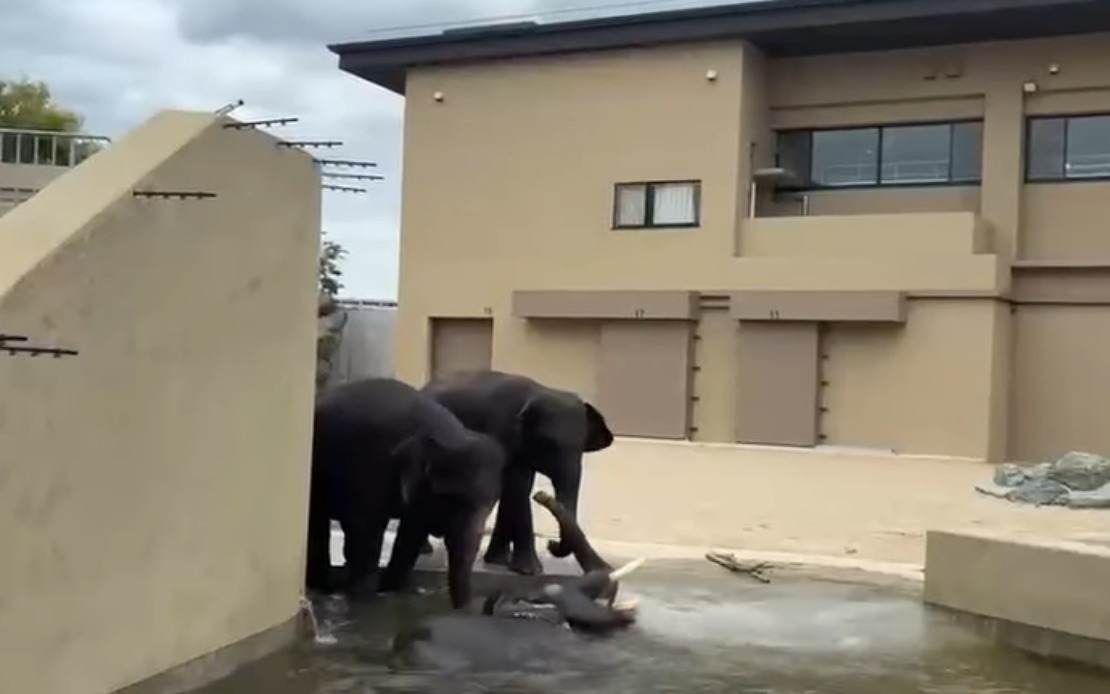
The three female Malaysian elephants residing at Tennoji Zoo in Japan are progressing well, according to the latest update from Taiping Municipal Council. Dara, Amoi and Kelat, collectively referred to as DAK, have each registered measurable improvements in their physical condition since their relocation to the Japanese facility, marking a positive milestone in the ongoing international wildlife cooperation programme that has attracted considerable public attention back home.
TaipingMunicipal Council president Mohamed Akmal Dahalan released the latest health assessments this week, detailing encouraging gains across the elephant trio. Kelat has achieved the most substantial weight increase at 260 kilogrammes, while Dara and Amoi have each gained 35kg and 30kg respectively. These measurements, compiled by Tennoji Zoo's medical team, demonstrate that the animals are adapting well to their new environment and receiving appropriate dietary support. The weight gains are particularly significant given the adjustments these elephants have had to make following their relocation from Malaysia.
Central to the elephants' wellbeing is a carefully structured nutritional programme administered by Tennoji Zoo's dedicated animal care team. The daily diet combines multiple fibre sources, with hay comprising the primary component to support the elephants' digestive requirements. This is supplemented by fresh bamboo shoots, newly cut grass, leafy vegetables such as cabbage, and purpose-designed pellets specifically formulated to meet the nutritional specifications of the species. Such precision in dietary management reflects international best practices in captive elephant care and indicates the substantial commitment Tennoji Zoo has invested in ensuring these animals maintain optimal health.
Veterinary oversight forms another crucial pillar of the welfare framework. The elephants receive continuous monitoring from qualified veterinary officers who work alongside the animal care team to ensure that health standards remain consistently high. This multi-layered approach to animal management demonstrates the professional standards that major Japanese zoos maintain, and represents the kind of institutional competence that facilitated approval for this international programme in the first place. The involvement of veterinary professionals in day-to-day monitoring ensures that any emerging health concerns can be identified and addressed promptly.
The arrangement itself is grounded in a formal bilateral agreement between Tennoji Zoo and Zoo Taiping & Night Safari, represented by the Taiping Municipal Council. The cooperation framework was established through two separate accords signed on May 19, 2022 and October 6, 2022, creating a 25-year partnership for animal exchange and welfare cooperation. This extended timeline reflects the long-term commitment both institutions have pledged toward these animals' care, suggesting that this is not a temporary arrangement but rather a sustained international collaboration built on mutual interests in wildlife conservation and zoological excellence.
TaipingMunicipal Council has emphasized that ongoing oversight remains a shared responsibility between multiple stakeholders. The council continues to collaborate closely with Malaysia's Department of Wildlife and National Parks, known as Perhilitan, to ensure that the elephants' welfare standards are maintained and that comprehensive monitoring protocols remain in effect. This domestic oversight mechanism provides Malaysian authorities with direct visibility into the programme's operations, enabling the government to verify that the animals' wellbeing meets Malaysian conservation standards. Such multi-party accountability structures are increasingly common in international animal transfer agreements, as they build confidence among local communities that relocated animals have not been abandoned to foreign institutional discretion.
Mohamed Akmal has taken care to address broader public sentiment surrounding the elephants' relocation, acknowledging that Malaysian citizens have legitimate interests in understanding what has become of these national animals. The council president emphasized the importance of distinguishing between evidence-based concern and speculation, noting that credible assessments of animal welfare must be grounded in verified information and professional evaluation rather than assumption or secondhand reports. This distinction matters significantly for Malaysia's international reputation in wildlife conservation; unsubstantiated claims about animal mistreatment can undermine the credibility of legitimate conservation efforts and jeopardize future international partnerships that might benefit Malaysian wildlife more broadly.
The council has simultaneously committed to maintaining transparent engagement with authorities and the general public on all matters pertaining to the programme. Officials have indicated willingness to cooperate with any formal reviews, investigations, or information requests from relevant bodies, framing such transparency as integral to demonstrating the integrity of Malaysia's approach to international wildlife cooperation. This openness to scrutiny reflects confidence in the programme's legitimacy and potentially serves as a model for how Malaysian institutions can manage controversial international animal transfers while maintaining public trust.
For the broader Southeast Asian region, this arrangement exemplifies the kind of cross-border animal welfare collaboration that has become increasingly sophisticated and structured in recent years. Japan's expertise in captive animal management and Malaysia's commitment to ensuring its wildlife receives appropriate care combine to create mutually beneficial outcomes that advance both nations' conservation objectives. The specific focus on female elephants, which are often central to herd social structures, suggests that the partner institutions have given careful consideration to the psychological and social dimensions of the animals' relocation, not merely their basic physical welfare. As similar programmes potentially expand across the region, the DAK case may serve as an important precedent for how Malaysian authorities can ensure animal welfare while participating in international scientific and conservation exchange programmes.

