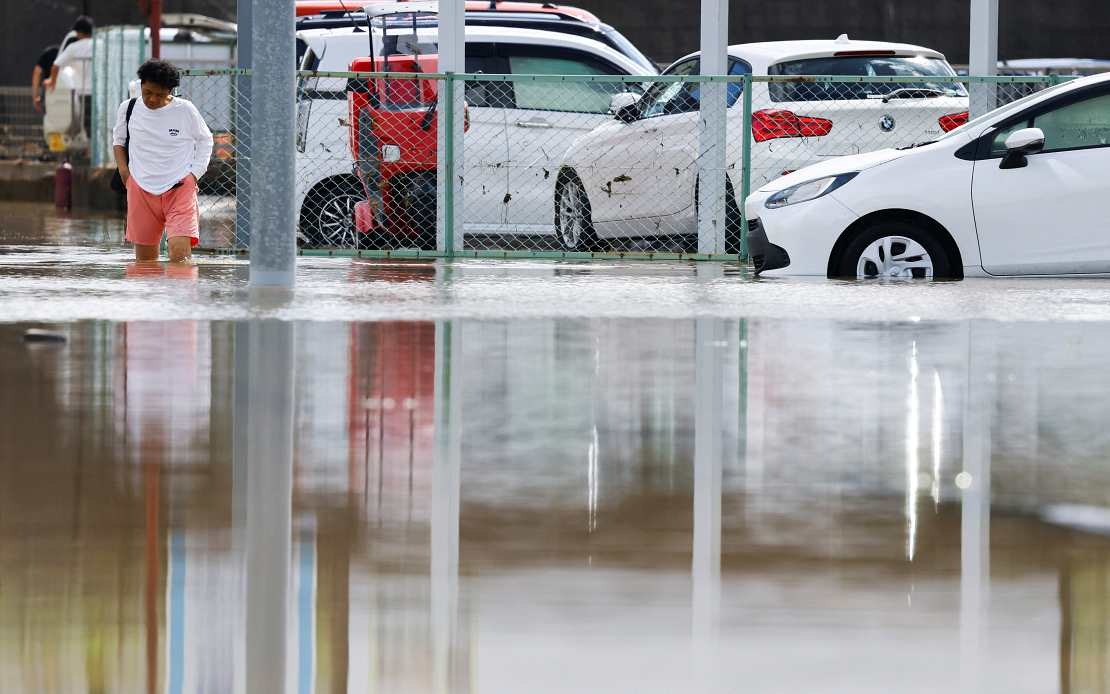
The Malaysian Embassy in Tokyo has issued a sweeping travel advisory urging all Malaysians currently in Japan to reconsider non-essential journeys as the nation confronts an unfolding humanitarian crisis triggered by unprecedented rainfall. The warning comes as catastrophic flooding ravages Chiba Prefecture and surrounding areas within the greater Kanto region, where meteorologists report weather patterns of rare intensity that have overwhelmed existing flood defences and emergency response systems across eastern Japan.
The scale of the transportation chaos has proven particularly acute at Japan's crucial aviation hub. Approximately 7,000 air passengers found themselves stranded overnight at Narita International Airport after widespread flooding severed both road and rail connections serving the facility. This disruption represents a significant blow to the airport's operations and underscores how comprehensively the weather event has disabled the region's interconnected transport infrastructure. Many of those marooned travellers faced extended delays as authorities worked to restore viable routes and resume scheduled services.
The human toll has been devastating. At least eight fatalities have been confirmed in connection with the torrential downpours, according to reports from Kyodo News. These deaths reflect the genuine danger posed by such extreme weather events and justify the Malaysian Embassy's firm advisory stance toward its nationals. The Japan Meteorological Agency underscored the severity of conditions by issuing its highest-level alert—a Level 5 rain warning—for more than one-third of municipalities across Chiba Prefecture, signalling meteorological conditions of exceptional danger that demanded immediate protective action.
Evacuation orders reached a staggering scope, with authorities directing more than 400,000 individuals to leave their homes at one critical juncture. This mass displacement operation reflects both the geographical extent of the flooding and the Japanese authorities' commitment to preventing further casualties. Residents evacuated to designated shelter facilities, while emergency services mobilised across the region to assist those in vulnerable situations. The logistics of managing such a large-scale evacuation, coordinated amid damaged infrastructure and ongoing severe weather, represented an enormous operational challenge for local and national authorities.
The advisory issued by the Malaysian Embassy articulates specific protective measures that nationals should implement immediately. Malaysians residing in Japan have been instructed to maintain heightened awareness of their immediate surroundings, particularly avoiding any areas susceptible to flooding or naturally positioned at lower elevations where water accumulation poses elevated risk. The embassy emphasises the importance of continuously monitoring official communications from Japanese authorities, including evacuation directives and transport advisories, to ensure rapid compliance with emergency instructions as situations evolve.
For Malaysian readers, this crisis carries particular resonance given Southeast Asia's own vulnerability to extreme weather and flooding. The unfolding situation in Japan demonstrates how even highly developed nations with sophisticated infrastructure and well-resourced emergency services face significant challenges when confronted by meteorological phenomena of exceptional intensity. The mass stranding at Narita, a major international transit point serving passengers across the region including many from Malaysia, highlights how natural disasters can disrupt regional connectivity and commercial operations with little warning.
The embassy has provided practical guidance for obtaining the most current weather information and warnings, directing Malaysians to consult the Japan Meteorological Agency's website at www.jma.go.jp/jma/indexe.html for authoritative updates. This recommendation enables individuals to access real-time meteorological data and anticipated weather trajectories, allowing for informed decision-making regarding travel and outdoor activities. Regular consultation of such official sources remains essential during weather emergencies, as conditions can shift rapidly and early warning provides critical time for protective action.
Malaysians requiring assistance should understand the available emergency contact mechanisms. The Malaysian Embassy in Tokyo maintains standard office hour operations reachable at +81-3-3476-3840, while after-hours emergencies can be directed to the dedicated emergency hotline at +81-70-1471-9756. Additionally, the embassy processes communications through consular email addresses including [email protected] and [email protected], providing multiple channels through which nationals can seek guidance or report urgent situations requiring embassy intervention.
The flooding crisis raises broader questions about climate resilience and preparedness in an interconnected regional context. As extreme weather events become increasingly frequent and intense across East and Southeast Asia, both governments and citizens must invest in enhanced early warning systems, improved urban planning that accounts for climate risks, and cross-border coordination mechanisms that facilitate rapid information sharing and mutual assistance. The Malaysian government's proactive communication with its nationals in Japan demonstrates responsible consular practice during international crises and provides a model for regional cooperation during natural disasters.
For the broader Malaysian expatriate community across Japan, this advisory serves as a sobering reminder of natural disaster risks present even in developed nations. Malaysians working or studying in Japan should ensure they maintain emergency supplies, understand evacuation routes relevant to their specific locations, and register with their embassy to ensure they can be contacted during crises. The disruptions at Narita also underscore the importance of flexible travel plans when visiting Japan, as weather-related closures of this major hub can create cascading delays affecting connections throughout the region.
The Japanese government's response, while comprehensive, also highlights the challenges emergency services face during concurrent crises affecting vast geographical areas. Coordinating evacuation, search and rescue, medical response, and infrastructure restoration simultaneously stretches even well-equipped systems. International observers, particularly from regional nations accustomed to monsoon and typhoon seasons, are noting the Japanese authorities' emphasis on public communication and organised evacuation as effective practices applicable across the region.

