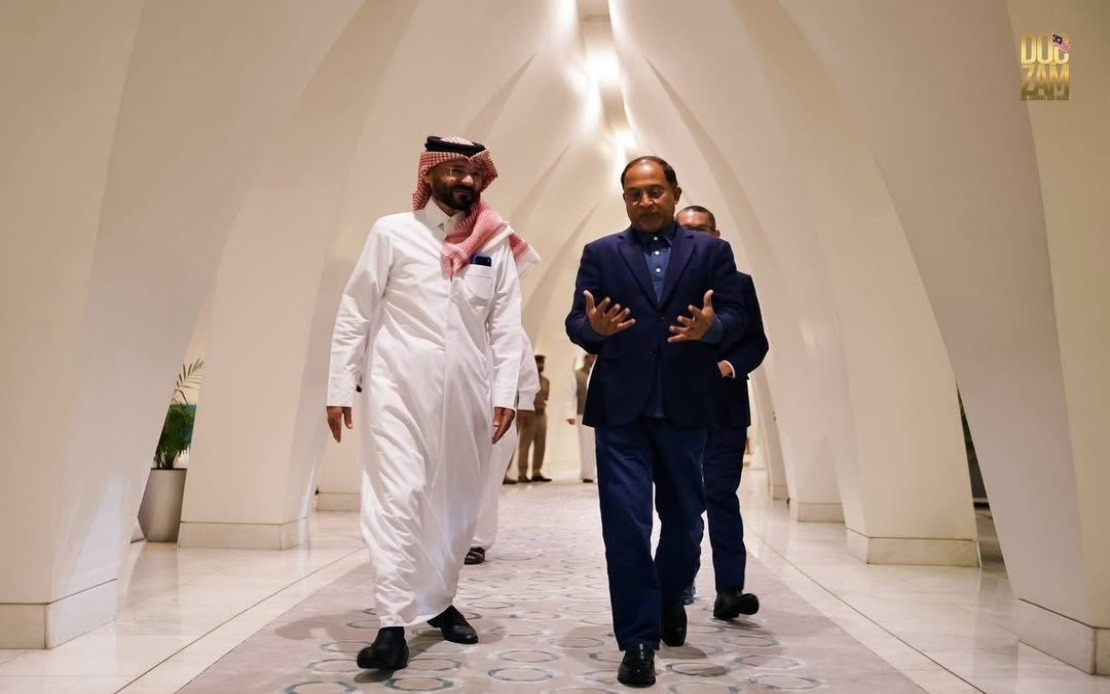
Datuk Seri Dr Zambry Abd Kadir, Malaysia's Higher Education Minister, touched down in Doha early on Tuesday morning as the official representative of the Malaysian government to pay final respects to Sheikh Hamad bin Khalifa Al Thani, the former Amir of Qatar who passed away on Sunday at the age of 74. The visit underscores Malaysia's strong diplomatic ties with Qatar and reflects the importance the Malaysian government places on honouring the legacy of a significant regional figure.
According to a statement posted on social media, Zambry planned to visit the current Amir of Qatar, Sheikh Tamim bin Hamad Al Thani, at the Lusail Palace on the same day. Such high-level representation at state funerals demonstrates the customary diplomatic protocol observed among neighbouring nations in the Gulf region and broader Muslim world. Malaysia's decision to send a cabinet-level minister reflects the stature that Sheikh Hamad held both regionally and internationally throughout his life and reign.
Through his official statement, Zambry conveyed Malaysia's deepest condolences to both the Qatari leadership and the broader population, acknowledging the loss of a transformative figure in the nation's modern history. The formal expression of sympathy serves not only as a gesture of respect but also as a reaffirmation of the bilateral relationship between Kuala Lumpur and Doha, relationships that have grown increasingly important as both nations navigate regional geopolitical complexities and economic partnerships in the Indo-Pacific and Middle Eastern spheres.
Sheikh Hamad's death on Sunday morning marked the end of an era in Qatari governance. The former ruler had steered Qatar through a critical period of modernisation and development, transforming the nation from a modest Gulf state into a regional powerhouse with significant global influence. His eighteen-year reign from 1995 until 2013 witnessed unprecedented growth in Qatar's economy, infrastructure, and international standing, particularly through strategic investments in energy sectors and major global events.
The transition of power to his son, Sheikh Tamim bin Hamad Al Thani, in 2013 had been planned and orderly, representing a significant moment in Qatar's political evolution. Sheikh Hamad's decision to voluntarily cede authority to his heir established a precedent of structured succession within the Gulf monarchies, an uncommon move at the time that garnered considerable international attention and respect. Under Sheikh Tamim's leadership, Qatar has continued to consolidate its position as an influential regional actor, particularly through its hosting of major international events and its diplomatic initiatives.
Qatar's official mourning period, set to last four days commencing on Sunday, July 12, reflects the profound impact of Sheikh Hamad's passing on the nation. The comprehensive closure of all government ministries, entities, and public institutions during this period underscores the symbolic importance of the occasion and provides the nation with time to process the loss of a founding figure in modern Qatar. Such national mourning protocols are customary in Gulf states and serve to unite the population in collective remembrance.
From a Malaysian perspective, the attendance of a senior cabinet minister at the funeral ceremonies carries broader implications for regional diplomacy. Malaysia and Qatar have maintained robust economic and cultural ties, with Qatari investments in Malaysian real estate, infrastructure, and financial sectors contributing significantly to bilateral economic relations. Educational exchanges and student mobility programs between the two nations have also flourished, reflecting shared Islamic heritage and common development aspirations across the Muslim world.
The diplomatic gesture by Malaysia also occurs within the context of broader Gulf-Southeast Asian relations, a dimension that has gained prominence as ASEAN nations seek to deepen engagement with wealthy Gulf Cooperation Council states. Qatar's role as a mediator in regional disputes and its economic clout have made it an attractive partner for Southeast Asian countries pursuing diversified international partnerships. Zambry's visit, therefore, represents not merely a ceremonial obligation but a substantive reaffirmation of Malaysia's commitment to maintaining and strengthening these vital regional connections.
Sheikh Hamad's legacy extends beyond Qatar's borders, influencing regional geopolitics and economic patterns throughout the Gulf and beyond. His reign witnessed Qatar's emergence as a significant player in Middle Eastern affairs, from its role in international diplomacy to its investment portfolios spanning multiple continents. The peaceful succession of power to Sheikh Tamim demonstrated institutional stability that has become a hallmark of Qatar's governance under his son's continued leadership.
As the global community mourns the passing of Sheikh Hamad, Malaysia's official representation through Zambry's attendance reflects the interconnected nature of modern diplomatic relations. The funeral ceremonies in Doha will likely attract delegations from numerous nations with whom Qatar has established economic, cultural, or strategic partnerships. Such gatherings, while solemn in nature, provide valuable opportunities for informal bilateral engagements and the reaffirmation of international relationships amid the ceremonial proceedings.
The visit also carries significance for Malaysian domestic audiences, signalling the government's active engagement in international affairs and its commitment to maintaining relationships with key strategic partners. Higher Education Minister Zambry's representation demonstrates that Malaysia views its ties with Qatar as sufficiently important to warrant ministerial-level participation in significant state occasions, a message that resonates both within government circles and among the broader Malaysian public, particularly the significant Muslim population that shares cultural and religious bonds with Gulf states.

