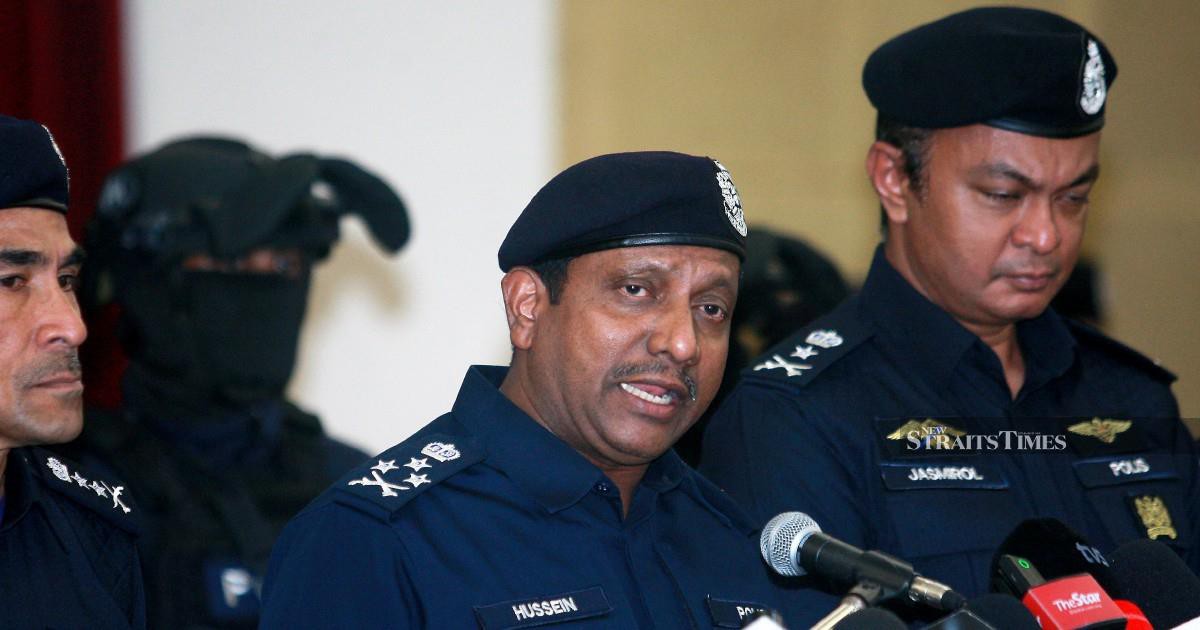
A delegation of four officers from Malaysia's Federal Narcotics Crime Investigation Department (NCID) touched down in Jakarta on Thursday morning to conduct interviews with a Malaysian pilot currently in custody following narcotics-related charges. The visit represents a significant development in cross-border law enforcement cooperation between Malaysia and Indonesia, two nations that have increasingly coordinated efforts to combat drug trafficking and related crimes across the region.
The two-day access window granted to the NCID team signals both Indonesian authorities' willingness to facilitate investigation and the serious nature of the case under examination. Such inter-agency cooperation, while routine in bilateral law enforcement relationships, underscores the complexity of narcotics investigations that frequently span multiple jurisdictions in Southeast Asia. The pilot's arrest in Jakarta raises questions about the circumstances leading to his detention and the specific allegations against him, details which remain largely undisclosed at this stage.
Malaysia's NCID, operating under the purview of the Royal Malaysian Police, specializes in investigating complex drug-related offences and trafficking networks. The decision to dispatch a four-person team to Indonesia suggests the case carries sufficient weight and potential implications for Malaysian law enforcement to warrant direct investigative involvement. Such missions typically involve senior investigators tasked with gathering evidence, clarifying legal standing, and understanding the full scope of any allegations that may involve Malaysian nationals or have implications for domestic security.
The two-day timeframe imposed on the delegation reflects standard protocols governing international investigations. While brief, this window allows NCID officers to conduct preliminary questioning, review documentation related to the arrest, and coordinate with Indonesian counterparts regarding the broader investigation. Time constraints of this nature are common in transnational cases, requiring investigating teams to work efficiently while respecting host-country procedures and sovereignty.
Indonesia's narcotics enforcement apparatus remains among the most stringent in Southeast Asia, with trafficking and possession offences carrying severe penalties including lengthy imprisonment and, in some cases, capital punishment for the most serious violations. The fact that a Malaysian pilot fell afoul of Indonesian law enforcement suggests potential involvement in trafficking activities or possession of substantial quantities. Aviation professionals occasionally feature in drug smuggling networks due to their geographic mobility and access to international transportation infrastructure.
The arrest raises broader concerns about drug trafficking patterns affecting Malaysian nationals abroad. Indonesian authorities have intensified enforcement at airports and ports, reflecting heightened vigilance against regional trafficking networks. For Malaysian readers and families of overseas nationals, such incidents serve as stark reminders of the severe consequences of drug involvement in neighbouring countries and the limited capacity of diplomatic channels to shield citizens from local justice systems.
Cross-border investigations of this nature depend heavily on intelligence sharing, evidence coordination, and mutual legal assistance frameworks between countries. ASEAN member states have progressively strengthened these mechanisms through bilateral agreements and regional initiatives, though enforcement remains uneven. The NCID delegation's presence in Jakarta demonstrates Malaysia's commitment to engaging directly with investigations affecting its citizens while respecting Indonesian jurisdiction and procedures.
The outcome of the NCID team's two-day visit will likely influence subsequent investigative steps in Malaysia, should charges eventually be pursued domestically or should assets and accomplices require investigation within Malaysian territory. Information gathered during the Jakarta interviews could prove crucial in establishing whether the pilot operated as part of a larger trafficking organization with Malaysian connections or acted independently.
For Malaysia's aviation industry, such incidents generate scrutiny regarding security protocols and employee vetting procedures. Airlines and aviation authorities routinely face pressure to strengthen background checks and monitoring mechanisms, particularly for personnel with international flight access. The reputational impact on Malaysian aviation, while likely contained, underscores the importance of maintaining industry integrity and public confidence in safety and security standards.
The case also highlights the persistent challenge posed by narcotics trafficking throughout Southeast Asia, where geographic proximity, porous borders, and lucrative markets create conditions favourable to criminal networks. Indonesia and Malaysia, despite intense enforcement efforts, remain transit and destination points for narcotics flowing through regional supply chains. Cooperation such as that demonstrated in this case, while necessary, remains insufficient to address the scale of the problem.
As the NCID delegation conducts its interviews, questions remain regarding the specific charges, the substance involved, and the broader network into which the pilot may have been drawn. The completion of the two-day access period will determine what additional cooperation or information-sharing agreements might be necessary to support further investigation. The case serves as a reminder that law enforcement challenges in Southeast Asia increasingly demand coordinated, transnational responses that transcend traditional bureaucratic boundaries and national interests.

