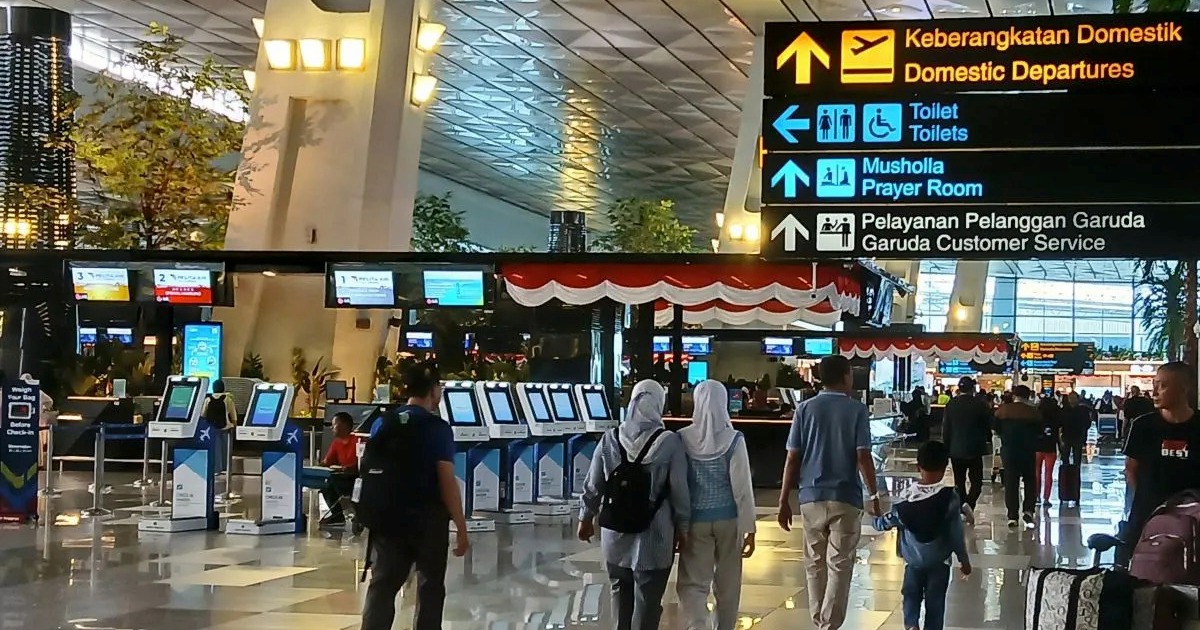
A Malaysian pilot has been detained by Indonesian airport authorities following the discovery of a substantial quantity of illicit drugs in his possession, according to reports emerging from the incident. The aviation professional was intercepted while allegedly attempting to transport more than 70,000 ecstasy pills, representing approximately 25 kilograms of controlled substances, into Indonesian territory. The arrest underscores growing concerns about the use of commercial aviation workers in regional drug smuggling networks and highlights vulnerabilities in border security protocols between Malaysia and its Southeast Asian neighbours.
The interception marks a notable escalation in transnational narcotics operations affecting the region. Organised trafficking groups have increasingly sought to exploit the accessibility and legitimacy afforded by aviation personnel, who can move across international boundaries with greater ease than typical travellers. The sheer volume of pills recovered in this case—sufficient to supply thousands of users—suggests an operation orchestrated by sophisticated criminal networks rather than individual opportunism. Such seizures are rare enough to warrant serious attention from law enforcement agencies across Malaysia, Indonesia, and other ASEAN nations concerned with stemming drug flows.
The weight and quantity of the contraband seized indicate industrial-scale production and distribution intentions. Ecstasy, chemically known as MDMA, remains one of the most trafficked synthetic drugs in Southeast Asia, commanding significant street value and commanding high demand within urban nightlife circuits. The regional market for such substances continues to expand, driven by youth populations in major metropolitan areas seeking recreational narcotics. Smugglers operating between Malaysia and Indonesia have historically leveraged the substantial price differential between countries and the region's porous maritime and air borders to move drugs efficiently.
This incident reflects deeper systemic challenges within aviation security frameworks across Southeast Asia. While international protocols mandate screening of passengers and baggage, enforcement consistency varies considerably depending on jurisdiction, resource availability, and institutional capacity. Individual officers handling aviation security at regional airports operate under different training standards and equipment specifications, creating inconsistencies that sophisticated smuggling operations routinely exploit. The Malaysian aviation industry, home to several major international carriers and thousands of pilots, faces particular scrutiny given the sector's reliance on individual integrity and trustworthiness.
The recruitment and compromising of aviation personnel represents a deliberate strategy employed by major trafficking syndicates. Pilots and crew members gain employment through legitimate channels, establishing clean operational records that eventually position them as seemingly trustworthy operatives capable of moving contraband with reduced detection risk. Financial incentives offered by criminal networks frequently exceed legitimate aviation earnings significantly, particularly for personnel operating in developing markets or facing personal financial pressures. The case raises uncomfortable questions about vetting procedures and post-employment monitoring mechanisms within Malaysian airlines and aviation authorities.
Law enforcement responses to such incidents typically involve cooperation between bilateral agencies, though coordination between Indonesia and Malaysia on narcotics matters has historically proved uneven. Both nations maintain dedicated drug enforcement units, yet information sharing, joint investigation protocols, and consistent prosecution standards remain inconsistent. The arrest of a Malaysian citizen on Indonesian soil creates immediate jurisdictional complexities, with questions arising regarding where prosecution should occur, applicable legal frameworks, and eventual sentencing exposure. These administrative uncertainties sometimes create opportunities for diplomatic negotiation that smuggling networks exploit strategically.
The broader implications extend beyond this isolated case toward understanding regional drug trafficking trends and vulnerabilities in supply chain management. Intelligence analysts monitor such seizures for patterns suggesting new routes, emerging criminal networks, or shifting distribution strategies. A single incident involving 70,000 pills may represent only a fragment of larger systematic operations designed to move substantially greater quantities through multiple channels simultaneously. The detection of this shipment, while significant, inevitably raises questions regarding successful smuggling operations that evade detection entirely.
Malaysian aviation authorities and civil aviation regulatory bodies face mounting pressure to strengthen internal monitoring and oversight mechanisms within their industry. Enhanced screening protocols, more rigorous background investigations, and post-employment surveillance systems could theoretically deter such operations, though determined smugglers continuously adapt methodologies to circumvent new restrictions. The balance between maintaining secure operational environments and avoiding excessive bureaucratic burden on legitimate aviation personnel remains contentious within industry discussions. Regulatory bodies must implement practical security enhancements capable of sustained implementation without compromising operational efficiency.
Regional cooperation frameworks addressing transnational organised crime, particularly drug trafficking, require substantial strengthening to address challenges of this magnitude effectively. ASEAN member states possess overlapping interests in reducing narcotics flows, yet institutional mechanisms for coordinated responses remain underdeveloped relative to the sophistication of criminal networks. Joint task forces, intelligence fusion centres, and harmonised legal frameworks could theoretically improve enforcement outcomes, though establishing such institutions requires political will and resource commitments that regional governments sometimes struggle to maintain consistently.
The arrest also carries implications for Malaysia's international standing and reputation within global drug enforcement communities. Nations perceived as sources of narcotics trafficking or possessing lax enforcement mechanisms face diplomatic consequences and potential trade restrictions. Malaysian aviation authorities, already scrutinised following various security incidents, must demonstrate robust response capabilities addressing personnel-involved smuggling. Enhanced transparency regarding investigations, prosecutions, and preventive measures adopted subsequently provides important reassurance to international partners concerning Malaysia's commitment to combating organised crime.

