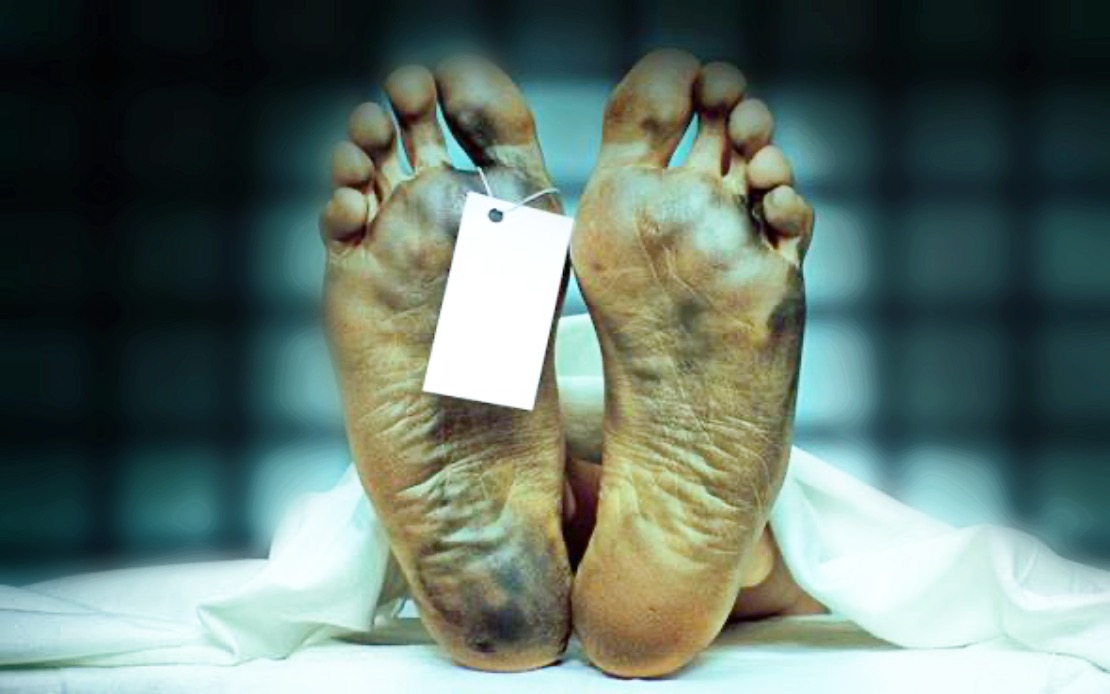
A Malaysian traveller from Kedah died unexpectedly while passing through Bangkok's Suvarnabhumi Airport on his way to Japan, prompting rapid diplomatic assistance from the Malaysian Embassy in Thailand to facilitate the repatriation of his remains. The 53-year-old man suffered a fatal heart attack during the transit stop on August 10, according to information released by the embassy following the incident.
Malaysian Ambassador to Thailand Datuk Wan Zaidi Wan Abdullah confirmed that the victim was pronounced dead at a Bangkok hospital at 12:26 am on August 10. Medical staff determined that acute cardiac failure was the cause of death, issuing a death certificate that documented the fatal heart attack. The ambassador explained that the victim had been attending to medical needs when the cardiac event occurred, and he was immediately transported to the nearest healthcare facility, though resuscitation efforts proved unsuccessful.
Family members who were travelling on the same flight from Kuala Lumpur to Hokkaido were able to claim the remains, providing immediate support during the distressing circumstances. Their presence at the airport facilitated coordination between Thai authorities, Malaysian diplomatic officials, and the hospital, streamlining the complex procedures that typically follow a death abroad. The ambassador noted that such situations require careful coordination across multiple jurisdictions and institutions to ensure proper handling of the deceased and compliance with both Thai and Malaysian regulations.
Ambassador Wan Zaidi highlighted an important aspect of Thai legal procedures that simplified the repatriation process. Thailand does not require autopsies to be performed if family members formally request that such procedures be waived, provided that a clear medical cause of death has been established. In this instance, the hospital's preliminary findings and death certificate provided sufficient documentation to proceed without additional forensic examination, allowing the family to move forward with funeral arrangements more expeditiously than might otherwise have been possible.
The embassy's role in facilitating the repatriation process extended beyond diplomatic representation. Malaysian officials coordinated extensively with Thai hospital staff, local authorities, and funeral service providers to ensure all necessary documentation was properly completed. The ambassador emphasised that the embassy completed all required paperwork by the evening of August 11, addressing visa documentation, death certificates, customs declarations, and other bureaucratic requirements that must be satisfied before human remains can be transported across international borders.
The return journey of the deceased was arranged through the Bukit Kayu Hitam land crossing, which serves as a primary overland gateway between Malaysia and Thailand along the shared border in northern Peninsular Malaysia. This route is frequently used for transporting goods and individuals between the two nations and has established protocols for handling special circumstances such as the repatriation of remains. The choice of this crossing over air transport reflects both practical considerations regarding timing and cost, as well as the feasibility of arranging ground transportation directly to the family's home state of Kedah.
The remains successfully crossed into Malaysian territory at approximately 10 am on August 12, according to the ambassador's statement. This timing allowed the victim's family to proceed with funeral rites according to their personal preferences and religious observances within Malaysia, rather than having to maintain the body in a foreign country during extended processing periods. The relatively swift repatriation—completed within approximately 48 hours of the fatal incident—reflects effective coordination between the Malaysian Embassy and Thai authorities.
Incidents involving sudden deaths during international travel highlight the importance of maintaining contact information and travel insurance documentation while abroad. Malaysian citizens transiting through major regional hubs like Bangkok face the same cardiovascular risks as travellers from any nationality, though the elderly and those with pre-existing cardiac conditions may face elevated vulnerability. Travellers are advised to carry medical records, prescription details, and emergency contact information to facilitate rapid response should medical crises occur.
The Malaysian Embassy in Bangkok maintains consular services specifically designed to assist Malaysian citizens facing emergencies whilst in Thailand, including medical crises, accidents, and deaths. The embassy provides translation services, liaison with Thai authorities, documentation support, and repatriation coordination. Such services have become increasingly important given the volume of Malaysian travellers using Bangkok as a transit hub for onward journeys to destinations across Asia, Europe, and beyond. The efficiency demonstrated in this case reflects the embassy's experience in handling similar situations and its established relationships with Thai government agencies and medical institutions.
This incident underscores broader considerations regarding travel safety and contingency planning that extend beyond typical tourist concerns. Business travellers, connecting passengers, and those on extended journeys face health vulnerabilities that can manifest unexpectedly in foreign environments far from their regular medical providers. The availability of responsive consular support, as demonstrated through the Malaysian Embassy's handling of this repatriation, provides essential reassurance to Malaysian travellers and their families that diplomatic assistance remains accessible during emergencies.

