Malaysia is preparing for an ambitious celebration of its 2026 National Day and Malaysia Day (HKHM 2026), with organisers unveiling an expanded calendar of patriotic programming designed to deepen public engagement with the country's founding values. The thrust of these efforts will become apparent tomorrow when Prime Minister Datuk Seri Anwar Ibrahim officially launches the 2026 National Month Celebration and Jalur Gemilang Flag-Waving Campaign (MPBKKJG 2026) in Ipoh, marking the formal opening of what officials describe as a particularly ambitious commemorative cycle.
The programming architecture reflects a strategic shift toward creating layered opportunities for citizen participation throughout the year-long observance. Datuk Aminurrahim Mohamed, Senior Undersecretary at the Communications Ministry and working secretary of the HKHM 2026 Main Committee, outlined plans encompassing initiatives such as Kembara Bahasa HKHM 2026 and RIUH Merdeka, both positioned within a broader countdown framework designed to build momentum toward August. These ventures represent attempts to move beyond conventional flag displays and official ceremonies, instead embedding patriotic expression into everyday activities and community engagement.
Organisers have deliberately adopted a partially secretive approach to programme announcements, withholding details of several initiatives in hopes of generating sustained public interest and what officials term a "wow factor." This strategy suggests recognition that audience fatigue around national celebrations can set in if the full slate of events is disclosed immediately. By releasing information incrementally, planners aim to maintain anticipation and keep the festivities culturally relevant across multiple months rather than concentrating public attention on isolated ceremonial moments.
A particular emphasis appears to have been placed on spiritual and cultural dimensions of patriotism. The continuation of the Qur'an Hour programme acknowledges the significant Muslim majority within Malaysia's population and signals that national celebration encompasses religious observance alongside civic activity. This integrated approach responds to longstanding debates within Malaysian public discourse about whether national identity can authentically accommodate religious practice or whether secular nationalism requires their separation. By formally incorporating religious programming, organisers may be attempting to demonstrate that patriotic expression and faith commitment reinforce rather than contradict one another.
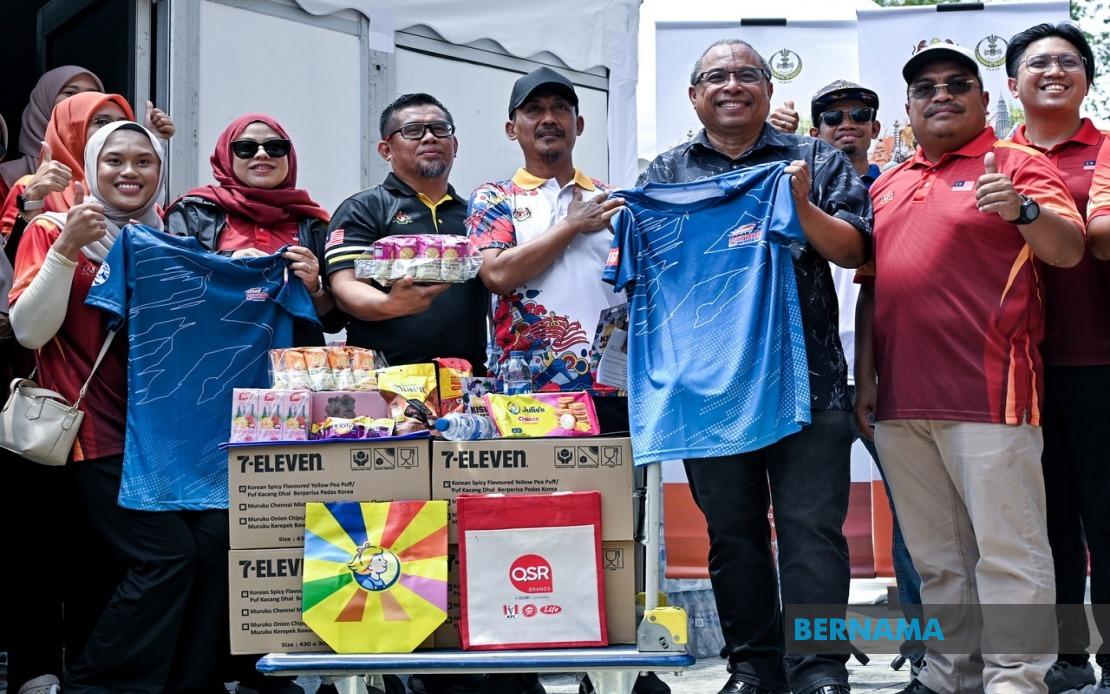
The corporate sector's enthusiastic participation underscores how national celebrations increasingly depend on private funding mechanisms rather than government budgets alone. Fifteen companies have already committed sponsorship to the Ipoh leg of proceedings, including logistics firm J&T, convenience store chain 7-Eleven, coffee brand ZUS Coffee, and QSR Brands. This corporate backing enables largescale production values while simultaneously embedding commercial interests within patriotic spectacle—a dynamic that reflects broader globalisation of how nations stage collective identity.
Ministry officials indicated that current sponsorship commitments may already exceed last year's funding levels, suggesting either intensified corporate interest in national branding exercises or increased effectiveness in fundraising outreach. For Malaysian businesses, such sponsorships offer visibility and implicit association with patriotic sentiment, a marketing calculus particularly valuable for consumer-facing companies seeking to strengthen brand loyalty among patriotic consumers. The phenomenon reflects how nationalism and commerce have become increasingly intertwined across Southeast Asia.
Civic participation remains central to the Communications Ministry's messaging around these celebrations. Officials have explicitly urged Malaysians to commence flying the Jalur Gemilang immediately and to actively integrate patriotic songs into domestic and public spaces. This grassroots framing positions national celebration not as something done to citizens by government but rather as something citizens enact through deliberate choice. The emphasis on prayer for national peace and prosperity similarly invokes collective spiritual agency, suggesting that patriotic commitment encompasses material and spiritual dimensions of national wellbeing.
The formal launch ceremony tomorrow will feature performances calibrated to maximise visual and emotional impact. A Patriot Merdeka Run scheduled for the morning transforms physical exercise into patriotic action, while the unveiling of the HKHM 2026 theme song—to be performed by an unnamed "prominent Malaysian male singer"—creates a focal point for media attention and social media amplification. The estimated 3,000 attendees will experience these elements within a carefully constructed ceremonial environment, while simultaneous broadcast across Radio Televisyen Malaysia, Bernama, and multiple Facebook platforms ensures national reach for what remains fundamentally a locational event.
For Southeast Asian observers, Malaysia's increasingly sophisticated approach to staged national celebration offers insights into how mid-sized democracies navigate identity formation within contexts of ethnic, religious, and regional plurality. The integration of corporate sponsorship, spiritual elements, grassroots participation, and multimedia distribution suggests evolving templates for national commemoration that may resonate across the region. Unlike more explicitly authoritarian approaches to national celebration, Malaysia's framework emphasises voluntary participation and distributed agency, positioning citizens as active collaborators rather than passive audiences for state spectacle.
The deliberate cultivation of surprise and anticipation within the HKHM 2026 programming cycle indicates recognition that contemporary audiences, particularly younger demographics, approach national celebrations with mixed enthusiasm shaped by festival fatigue and media saturation. By maintaining elements of suspense and building in novel components, organisers acknowledge competitive pressure from entertainment and social media. National patriotic expression must now compete for attention within crowded mediascape, requiring techniques borrowed from entertainment marketing to ensure cultural relevance.
The emphasis on prayer and spiritual reflection within formally secular national celebration contexts reflects Malaysia's distinctive position as a Muslim-majority democracy attempting to serve multiple religious communities within a constitutional framework. The integration of Qur'an Hour alongside more conventionally patriotic programming suggests continued evolution in how Malaysia negotiates relationship between Islamic practice and civic nationalism—a question that remains contested within domestic political discourse yet appears resolvable through inclusive programming architecture.

