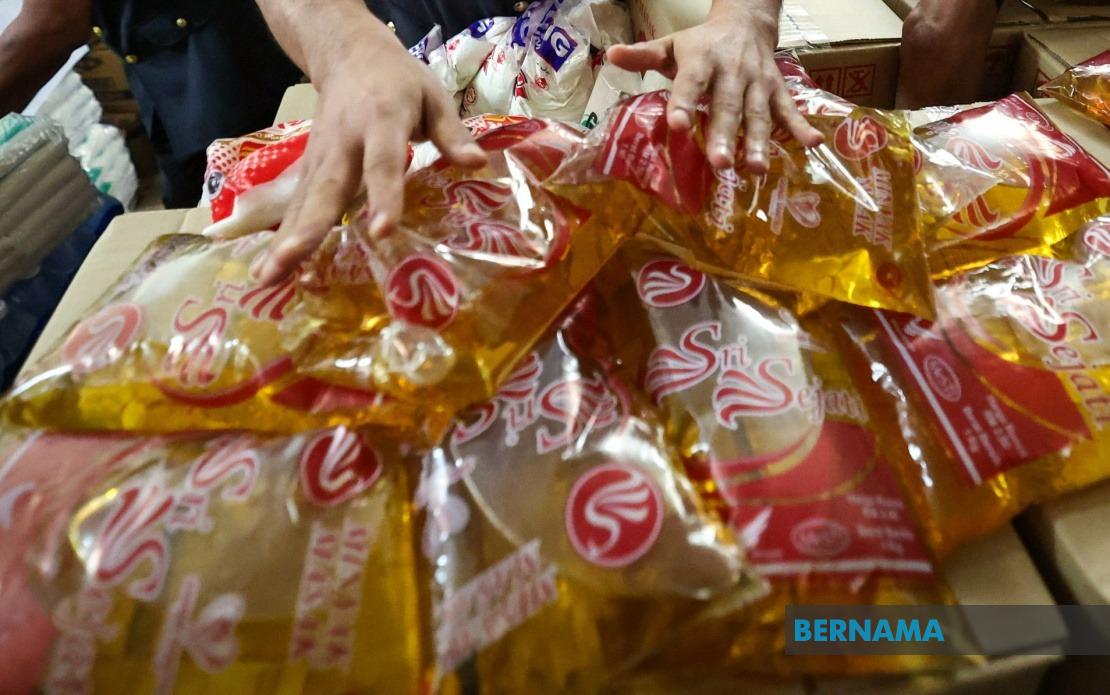
Malaysia's parliamentary watchdog has delivered a damning assessment of the country's cooking oil subsidy system, revealing that massive government expenditure has failed to reach its intended beneficiaries due to systemic weaknesses and inadequate oversight. The Public Accounts Committee (PAC) has tabled eight major recommendations aimed at stemming billions in wasted public funds and ensuring the Cooking Oil Price Stabilisation Scheme (COSS) operates as intended.
During a comprehensive investigation spanning from August to October last year, the PAC examined the Ministry of Domestic Trade and Cost of Living's (KPDN) stewardship of cooking oil price controls and subsidies, prompted by critical findings in the Auditor-General's Report for 2025. PAC deputy chairperson Teresa Kok unveiled the committee's findings at a parliamentary press conference, revealing structural flaws that have allowed the subsidy programme to drift significantly from its policy objectives. The investigation involved ten separate proceedings with testimony from KPDN officials, the Malaysian Islamic Development Department (JAKIM), and the Home Ministry (KDN), building a comprehensive picture of how the scheme has functioned in practice.
The committee identified a fundamental supply-demand mismatch as the root cause of inefficiency. The COSS quota was established at 60,000 metric tonnes monthly, yet actual domestic consumption by Malaysian households is estimated to fall between 19,000 and 30,000 metric tonnes per month. This substantial surplus, representing a doubling or tripling of genuine requirements, creates structural incentives for leakage and creates pathways for the oil to flow toward unintended users. Teresa Kok highlighted that the absence of targeted distribution mechanisms has meant that government subsidies worth RM10.879 billion between 2019 and February 2025 have been dispersed inefficiently, with one-kilogramme packets frequently diverted to ineligible purchasers including foreign nationals and commercial operators who should bear full market prices.
The PAC's primary recommendation is deceptively straightforward but systemically significant: KPDN should immediately reduce the monthly quota by 60,000 metric tonnes, bringing supply into alignment with verified domestic consumption patterns. This single adjustment would eliminate the systematic oversupply that creates opportunities for waste and diversion. Furthermore, the committee found that the subsidy rate of RM600 per metric tonne paid to packaging companies is substantially higher than justified by current operating costs, representing another avenue for containing expenditure. By recalibrating these support payments to reflect genuine processing expenses rather than inflated notional figures, the government could reduce the subsidy burden without compromising the system's core function of maintaining affordable cooking oil for ordinary households.
Quality control failures have compounded the financial leakage problem. The PAC discovered that among nine packaging companies involved in the scheme, two still lack halal certification despite JAKIM's efforts to streamline the certification process—a particularly troubling oversight for Malaysia, where halal compliance is fundamental to food industry legitimacy. More alarmingly, the committee found no standardised operating procedures at the packaging company level for managing spoiled or degraded cooking oil stocks. This operational vacuum means the government continues subsidising oil that never reaches consumers, essentially burning public money to support inventory that fails quality standards. Implementing robust spoilage management protocols and restricting subsidy payments exclusively to undamaged stocks could immediately reduce unnecessary expenditure.
Monitoring failures at the retail level have allowed market distortions to flourish despite the government's price control regime. Conditional sales, hoarding, and black-market pricing above the RM2.50 control price have become increasingly common across the retail landscape, suggesting that enforcement mechanisms are insufficient to maintain compliance. This retail dysfunction benefits unscrupulous operators at the expense of consumers who cannot readily access subsidised oil at official prices, undermining the entire rationale for government intervention. The PAC's findings here point to a need for strengthened enforcement capacity and potentially new technological solutions to verify compliance.
The distribution of refining quotas reveals another structural imbalance that warrants government attention. Foreign companies currently control 67 percent of the market share at the refining level, while Malaysian government-linked companies (GLCs) such as FGV and SD Guthrie account for merely 10.6 percent, with the remainder split among smaller local operators. This heavy foreign dominance in a strategically important commodity sector raises questions about Malaysian industrial development and local economic capacity. The PAC has suggested the government should study options for redistributing quotas to favour competitive local companies, potentially strengthening domestic industry capability while simultaneously reducing the government's dependence on foreign supply channels for an essential household commodity.
The committee's most forward-looking recommendation targets the complete digitisation of the subsidy mechanism through the enhanced Cooking Oil Price Stabilisation Scheme System (eCOSS). Moving from the current bulk subsidy model to a fully digital, targeted approach would fundamentally alter how assistance flows through the economy. By restricting subsidised purchases to verified eligible citizens through biometric or identity verification, the government could dramatically reduce scope for manipulation by unauthorised users, whether commercial resellers or foreign nationals. This technological transition, which requires acceleration according to the PAC, represents the most promising avenue for preventing future leakage while maintaining support for genuine domestic consumers. Digital tracking would also provide real-time visibility into usage patterns, enabling dynamic quota adjustments based on actual consumption data rather than static annual projections.
For Malaysian consumers and taxpayers, these findings carry immediate implications. The RM10.9 billion diverted from subsidies since 2019 represents resources that could have funded healthcare, education, or infrastructure investments. The current system has created perverse incentives where honest retailers struggle to stock subsidised oil while dishonest operators profit from control price breaches. Middle-income households increasingly find subsidised cooking oil unavailable despite government price controls, forcing them to purchase unsubsidised alternatives at market rates. The PAC's recommendations, if implemented comprehensively, would restore the subsidy programme's original purpose: ensuring that economically vulnerable Malaysians can afford this essential commodity.
Regionally, Malaysia's cooking oil subsidy experience offers instructive lessons for other Southeast Asian economies grappling with commodity price volatility and limited fiscal resources. Indonesia, Thailand, and other regional producers and consumers have adopted varied approaches to managing cooking oil affordability, yet all face similar trade-offs between price stability, fiscal sustainability, and targeting efficiency. Malaysia's experience demonstrates that without rigorous design, monitoring, and enforcement, even well-intentioned subsidy programmes can devolve into mechanisms that primarily benefit rent-seeking intermediaries rather than intended beneficiaries. The shift toward digital targeting that the PAC recommends could become a regional model if successfully implemented.
Implementation will test the government's capacity for institutional reform. The KPDN must navigate politically sensitive terrain: reducing quotas risks supply disruptions, recalibrating subsidy rates may trigger claims of inadequate support, and quota redistribution toward local companies could generate international trade concerns or resistance from established foreign suppliers. Yet the PAC's investigation suggests the status quo is unsustainable, both fiscally and administratively. The committee's recommendations provide a roadmap, but success requires sustained political will, adequate regulatory resources, and willingness to disappoint vested interests that have benefited from the current system's inefficiencies. The coming months will reveal whether the government treats these recommendations as a blueprint for genuine reform or merely as documented grievances to be filed away.

